Railway cottages and Victorian Derby
Derby's Victorian growth was shaped by the railway, with the Midland Railway's headquarters and works based in the town. Opposite the station, the North Midland Railway built workers' cottages in 1841 and 1842 to designs by Francis Thompson, and those on Calvert Street, Midland Place and Railway Terrace are Grade II listed. Derby City Council has sixteen conservation areas, eight of them grouped as Victorian Derby, including Railway, Arboretum, Little Chester and Strutts Park.
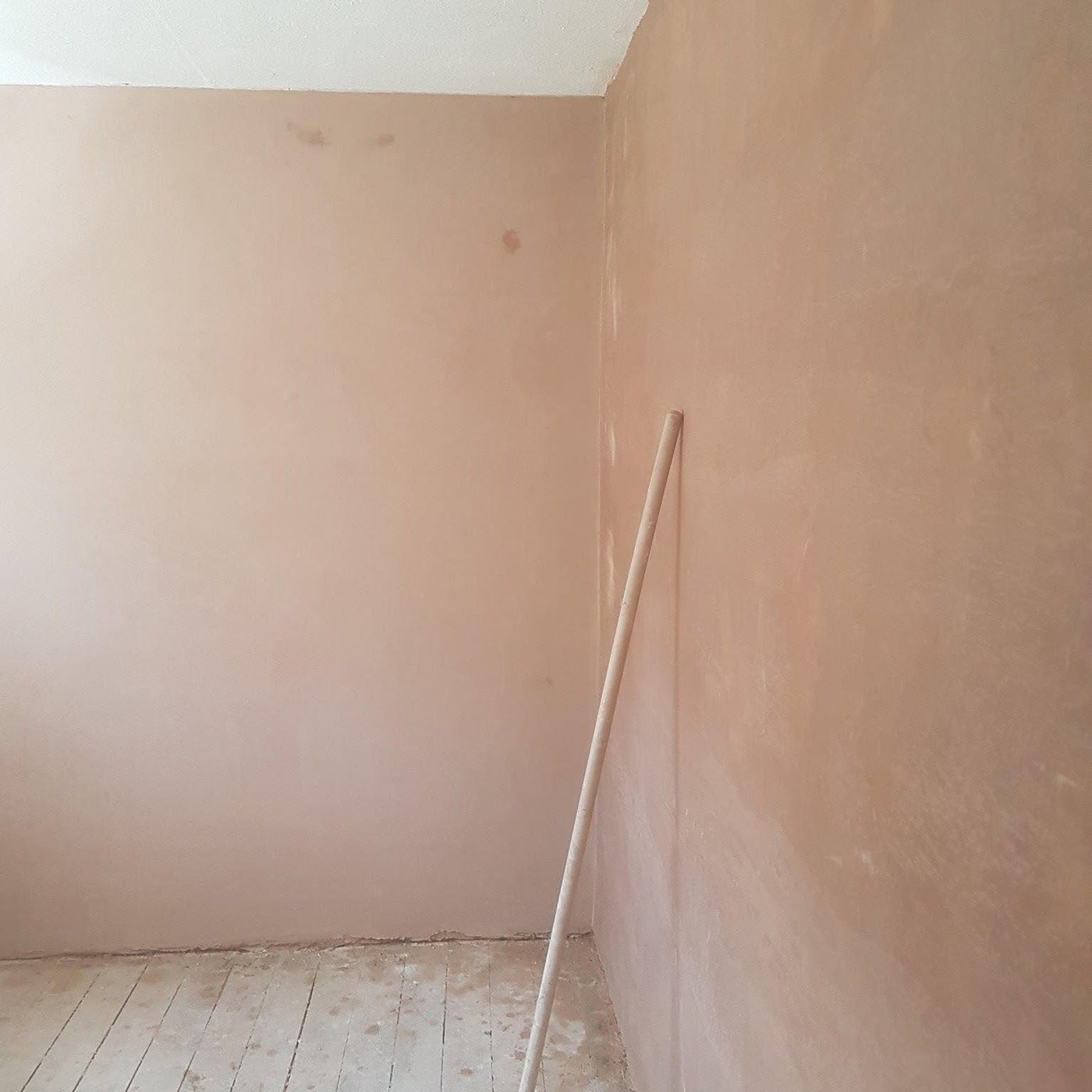
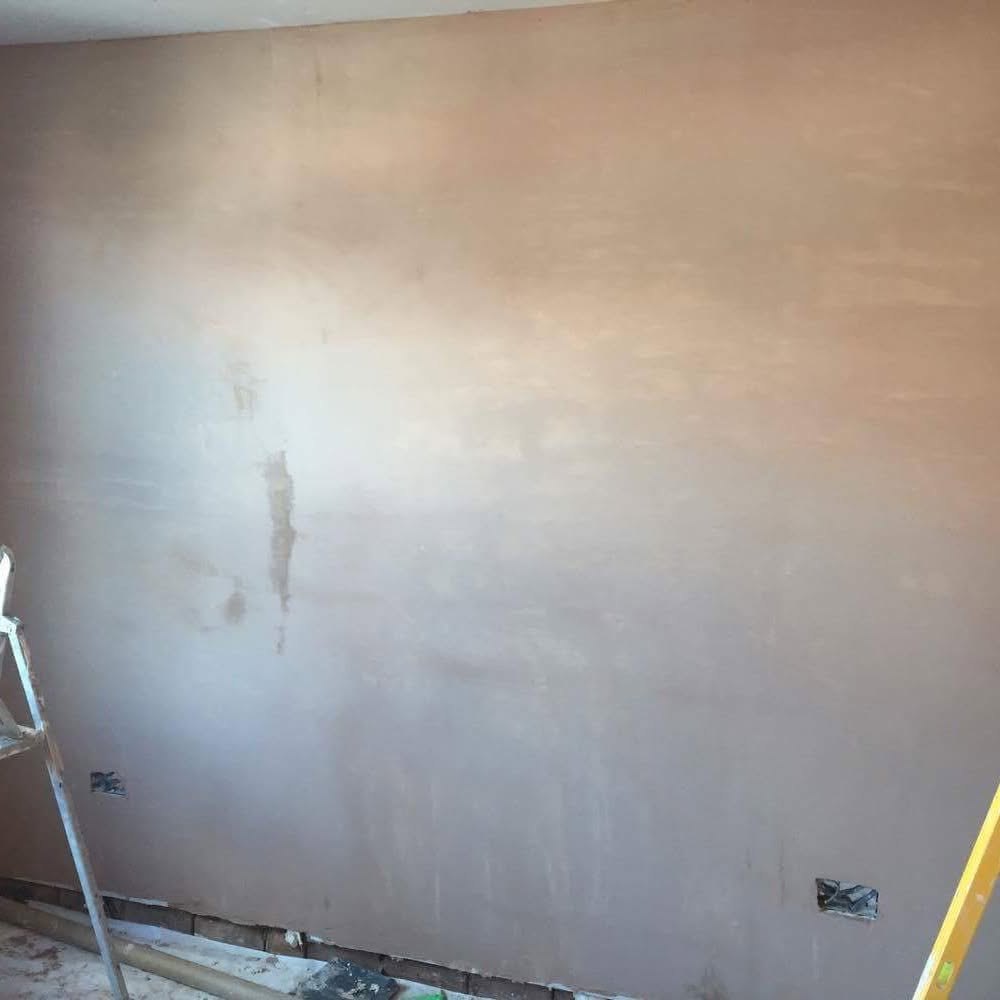
In Victorian houses, walls are usually solid brick with lime plaster and ceilings are often lath and plaster. Repairs need to respect that: loose sections removed carefully, the wall prepared so it does not pull moisture out of the new plaster too quickly, and the patch built up to match the depth of the original. For a listed cottage, check with the council before original plaster is removed.
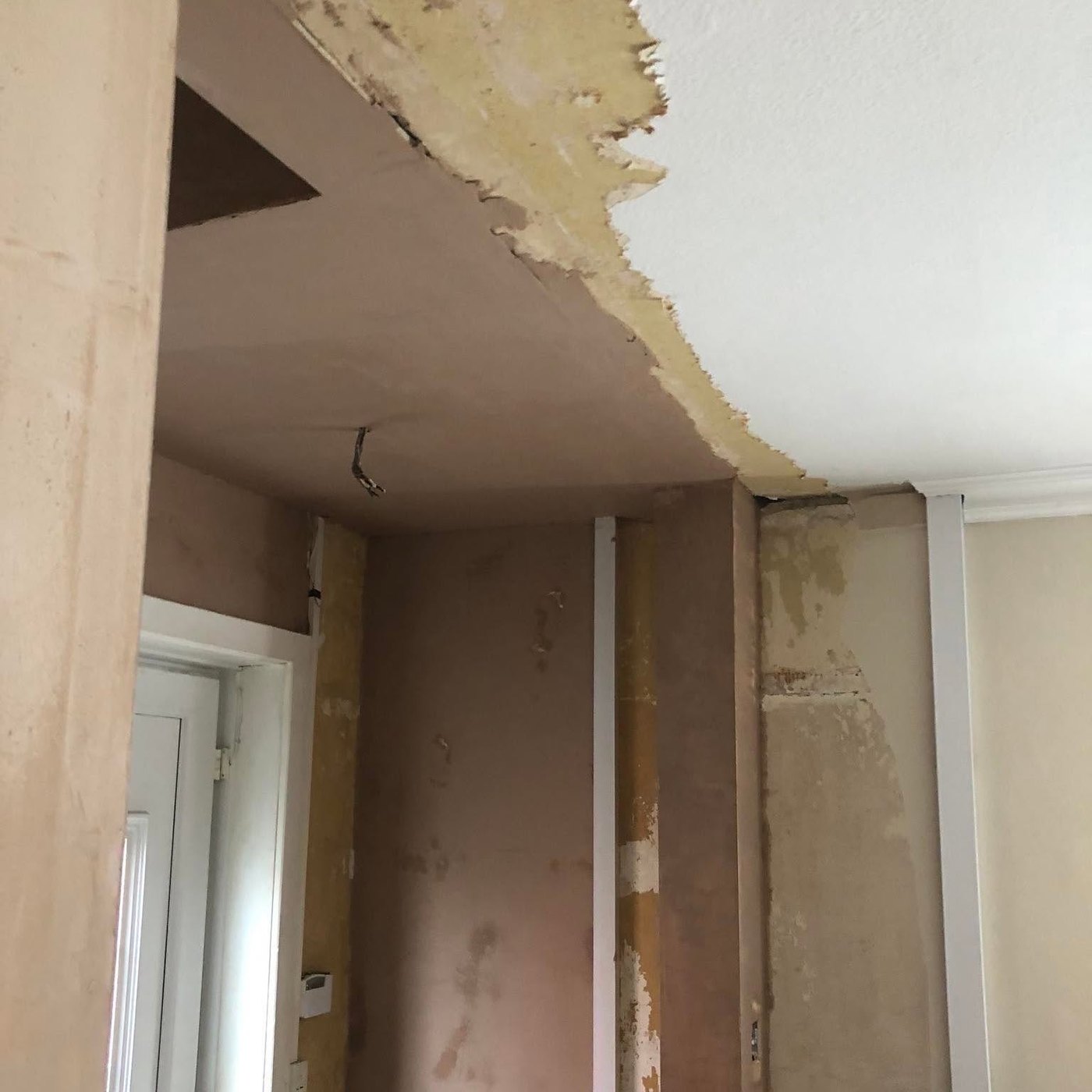
In larger Victorian rooms, a ceiling may already have been patched several times by earlier owners, with different materials each time. Every old repair is checked, and any that has come loose is taken out before the new patch goes in.
Suburban estates
Between the wars, and for about thirty years after 1945, Derby built council estates in its suburbs, with private houses going up alongside them. In a house from that period, the walls are more likely to be finished in gypsum plaster and the ceilings in plasterboard. The everyday patch repairs there are:
- holes and outlines left by old gas fires and wall heaters
- chases for new sockets, lights and cables
- dented and chipped plaster on stairs and landings
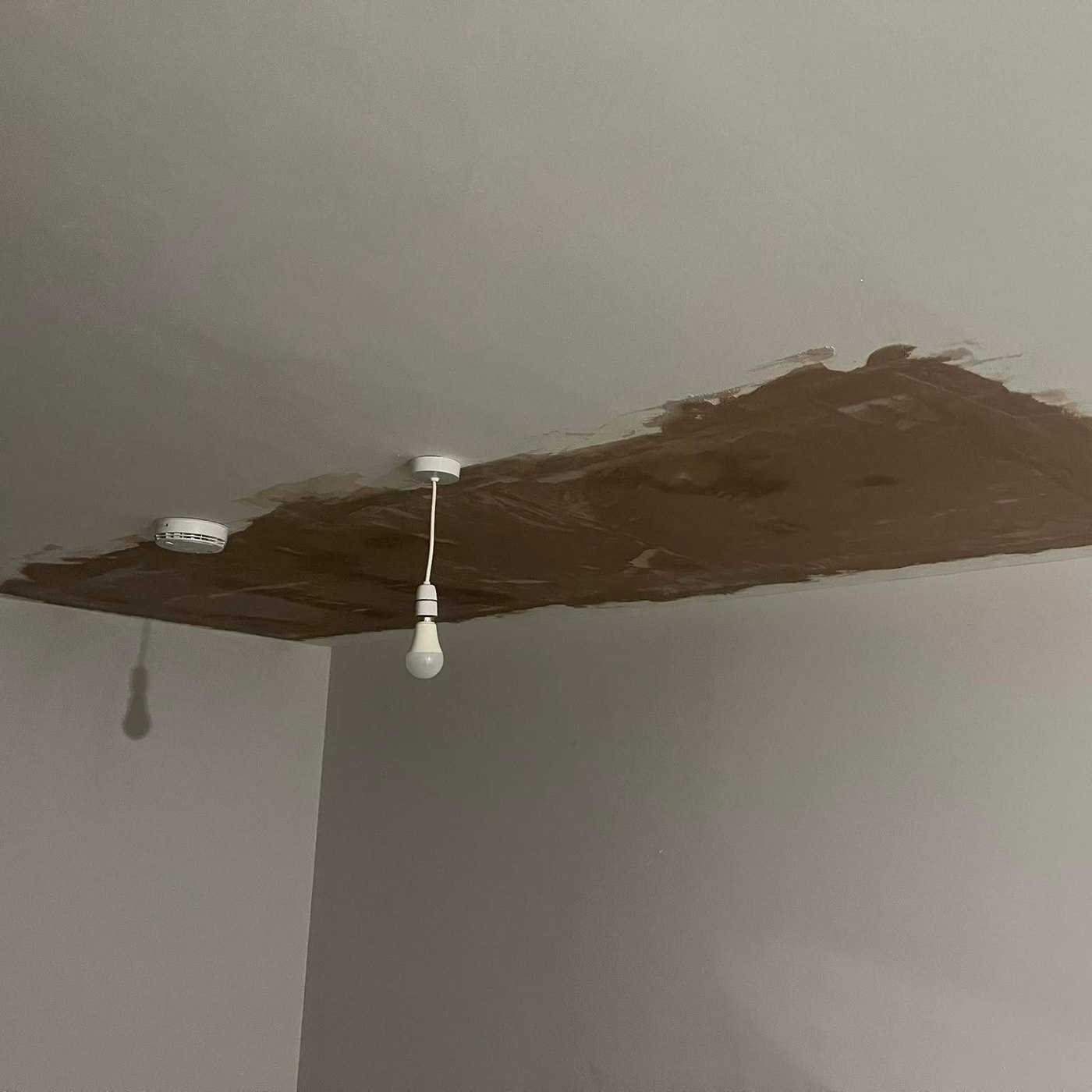
- ceiling patches below bathrooms once a leak has been fixed
Each is filled in layers, finished smooth with the wall around it and left ready for a mist coat.
New estates
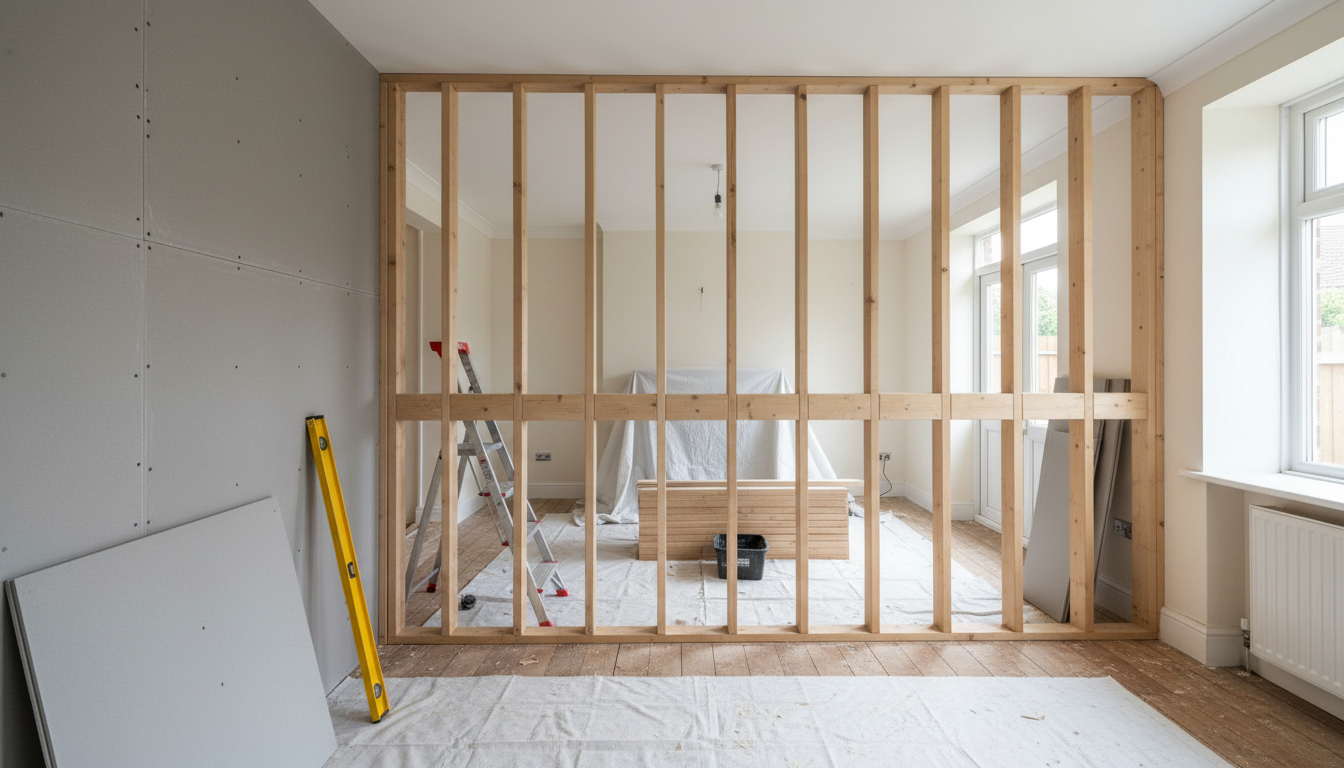
Derby is still expanding, with newer estates at Boulton Moor and the Mickleover Country Park development, known as The Pastures. In new-build homes, a patch usually means cutting out damaged plasterboard and fitting a new piece, then finishing it so the join cannot be seen once decorated. Cracks along board joints in a young house are left until they stop moving, then taped and finished so they stay closed.
Getting in touch from Derby
Derby is about 15 miles west of Mapperley, linked to Nottingham by the A52 Brian Clough Way, and inside the 30 miles that Patch Me If You Can covers. Send photos and rough sizes through the enquiry form, or call 07877 353120. Open seven days, 7am to 5pm.