Derby is about 15 miles west of Mapperley, linked to Nottingham by the A52 Brian Clough Way. With over 260,000 people, the city has every kind of home, and indoor plastering here means matching the method to the house in front of you.
Victorian Derby
Railways shaped Victorian Derby. The Midland Railway had its headquarters and works here, and opposite the station the North Midland Railway built workers' cottages in 1841 and 1842 to designs by Francis Thompson. Calvert Street, Midland Place and Railway Terrace are Grade II listed, and 57 of the original 92 houses remain. Derby City Council groups eight of its sixteen conservation areas as Victorian Derby, including Railway, Arboretum, Little Chester and Strutts Park.
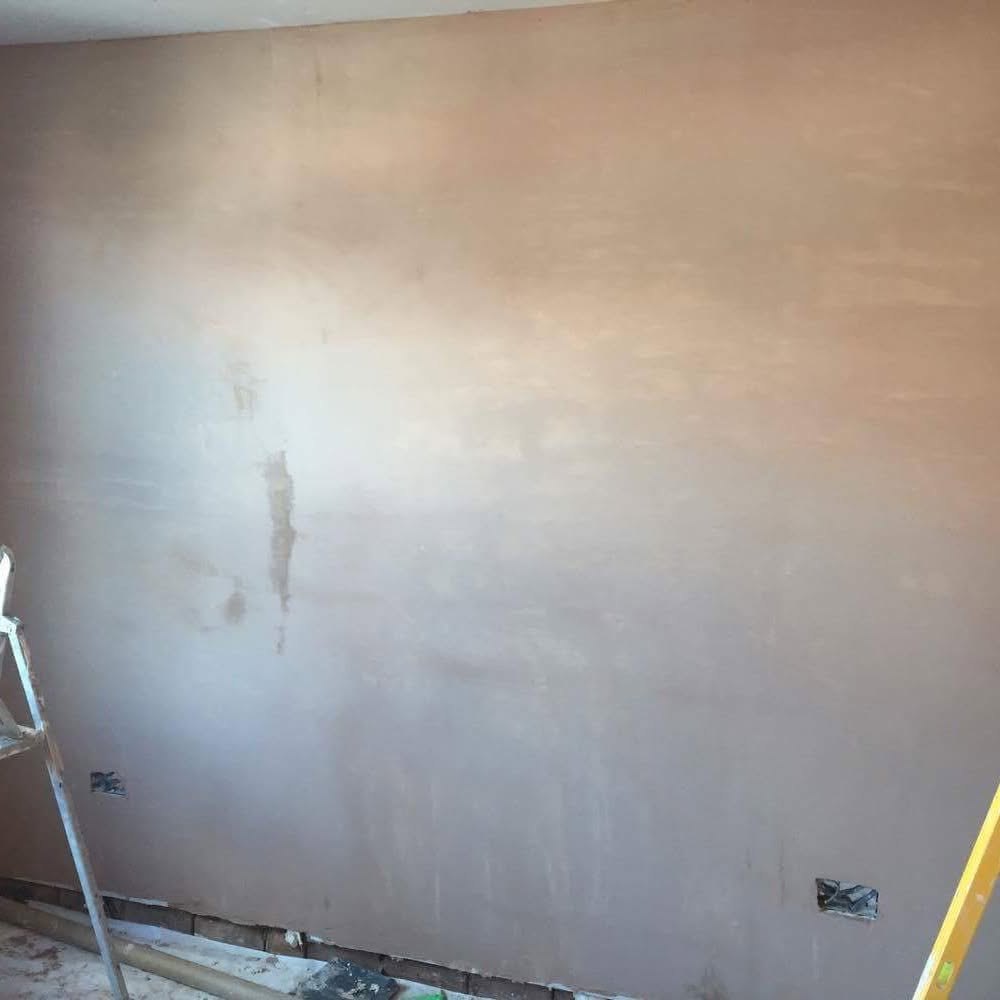
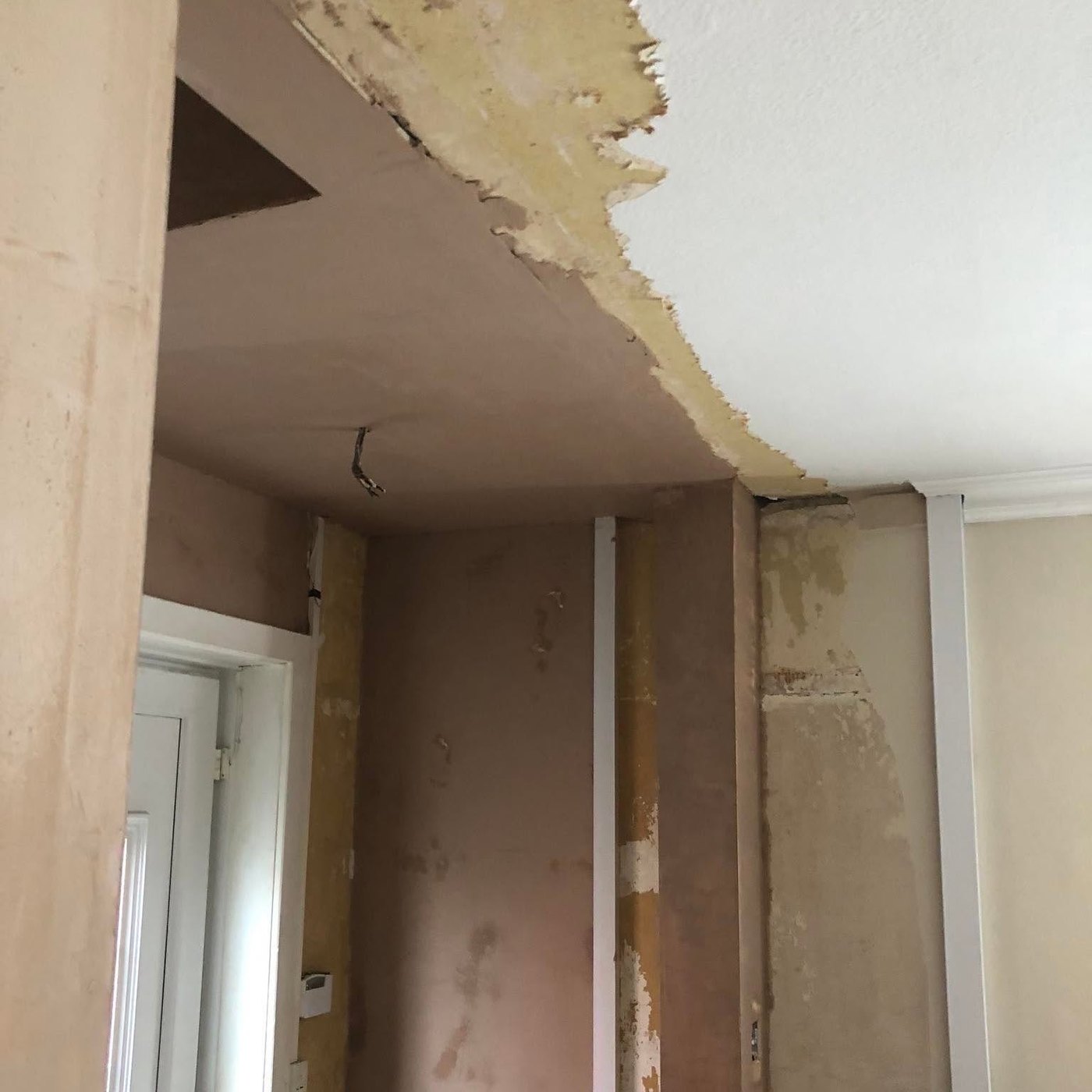
Homes of this age usually have solid brick walls, lath and plaster ceilings and plaster that has been repaired over and over. The work tends to involve removing what has failed, rebuilding it in layers and finishing it flat, while keeping original features intact. For listed cottages such as those on Railway Terrace, consent may be needed before original plaster is changed, so speak to the council first.
Interwar and post-war suburbs
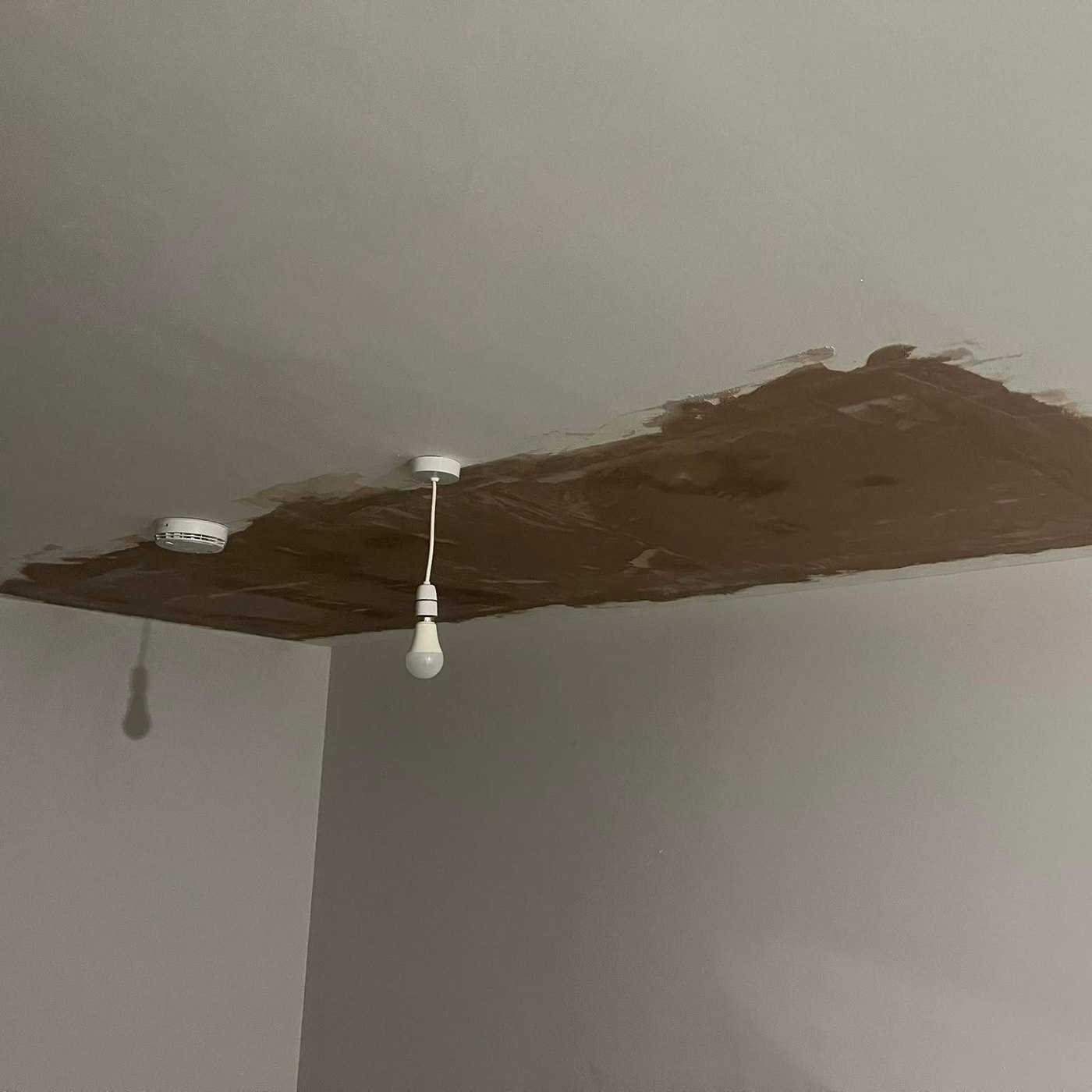
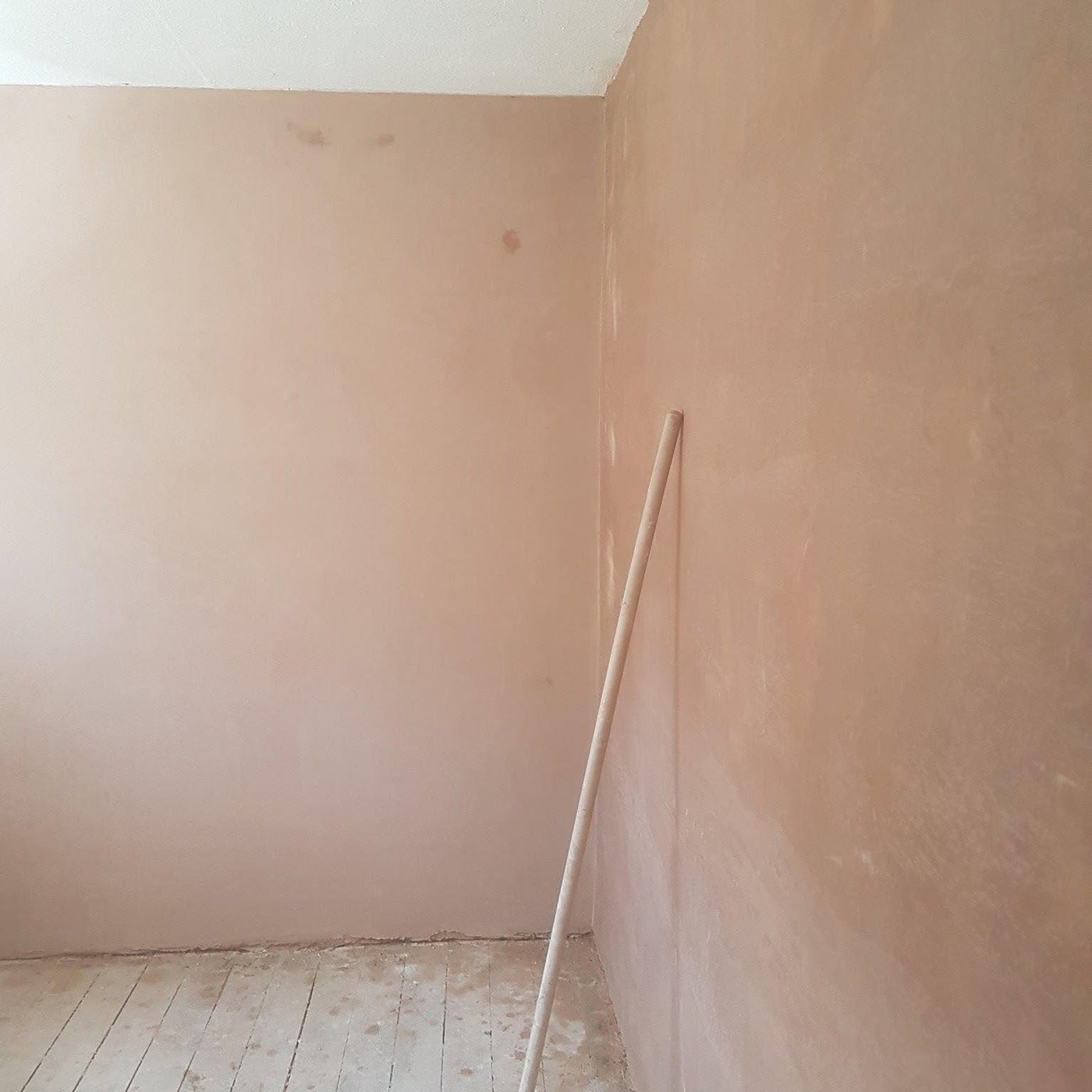
Slum clearance in the 1920s and 1930s moved families from the centre to new council estates in the suburbs, where private houses were also built, and rehousing, council building and private development carried on at scale for about 30 years after 1945. Houses from the interwar years sit at the end of the lath and plaster era, while post-war homes moved to plasterboard ceilings. Both often need the same practical jobs: a whole room skimmed after decades of patching, an Artex ceiling flattened, a staircase and landing brought back to a clean finish, or several rooms made good after a rewire.
For bigger jobs, the order matters. Ceilings go first and walls second, with halls and landings last because everyone walks through them. Rooms dry more evenly with steady gentle heat and some ventilation than with heaters turned up high, which can make fresh plaster crack.
New estates on the edges
Boulton Moor and The Pastures at Mickleover Country Park are among Derby's newer estates. Their dry-lined walls are often skimmed once the house has settled, to give a harder and more even surface than painted board.
Wherever you are in Derby, from Allestree and Darley Abbey to Chellaston and Sinfin, call 07877 353120 or send photos through the enquiry form. We work seven days a week, 7am to 5pm.