Bulwell is about 4 miles west-north-west of Mapperley, on the north-west side of Nottingham. It is an old market town whose Market Place layout has hardly changed, and it was built from its own ground: Bulwell sandstone and magnesian limestone were quarried here, and many houses, schools, churches and garden walls of Bulwell stone still stand for miles around. Large estates were added around that core over the last century, and plastering the two is quite different work.
Stone walls and solid walls
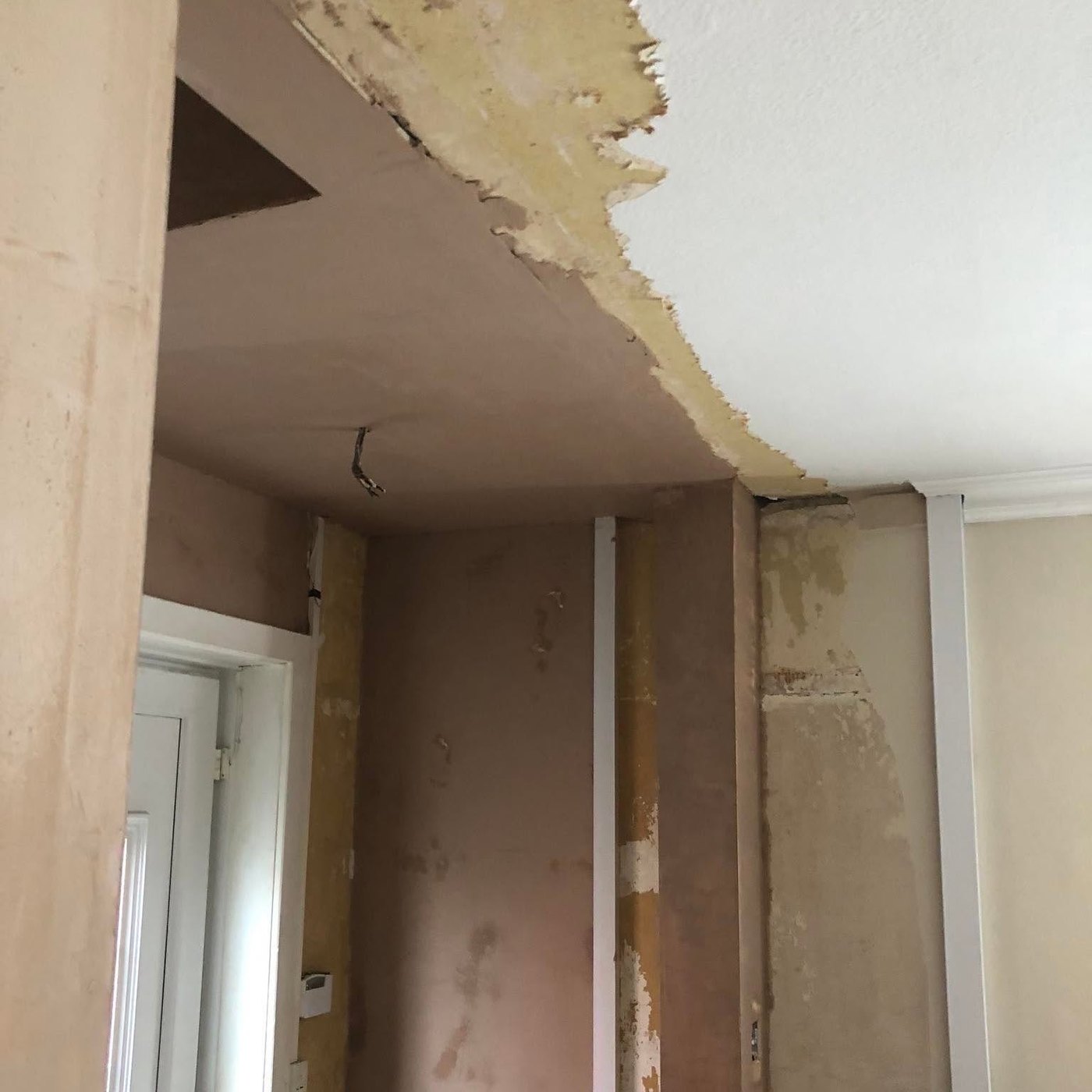
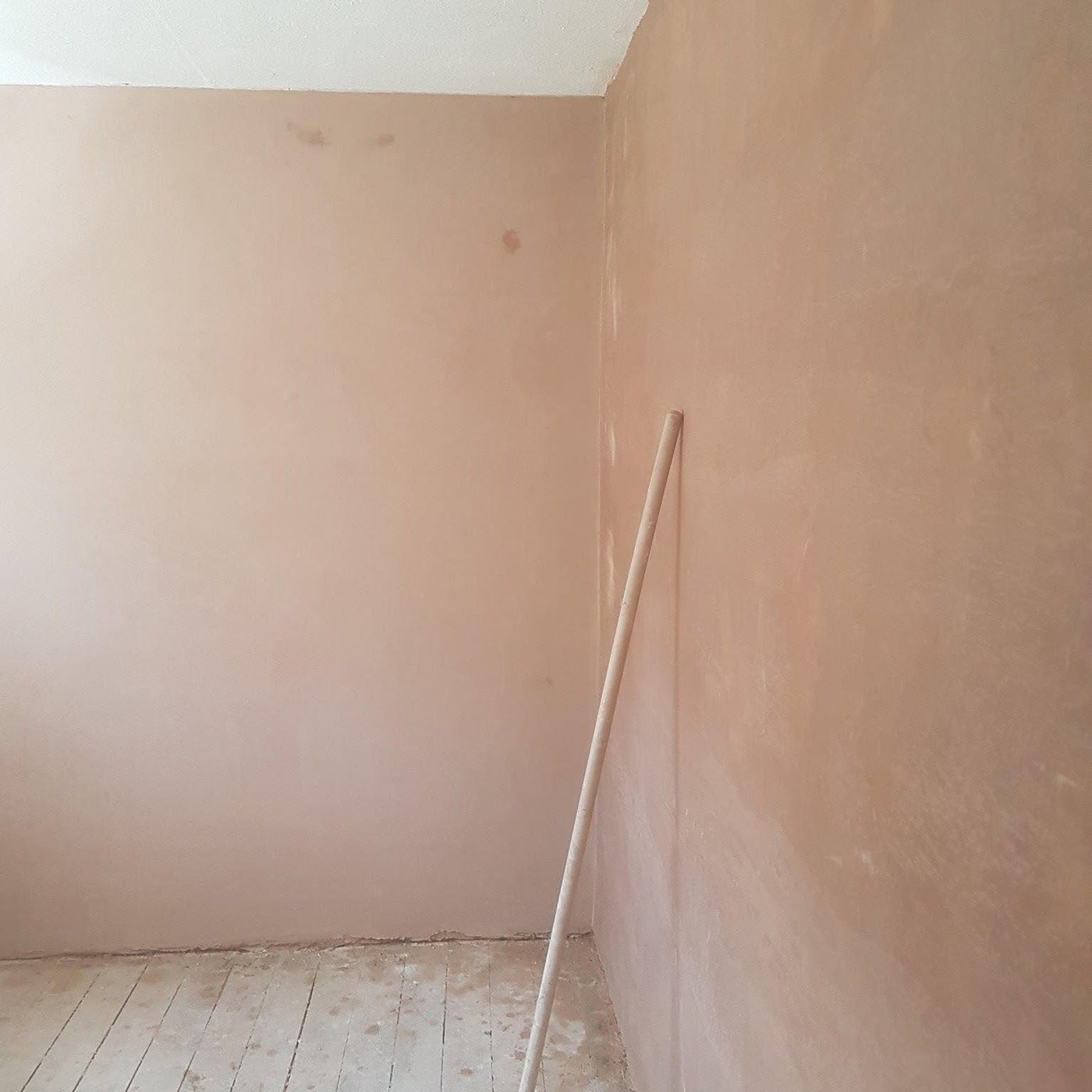
Inside an older stone or solid-brick house, the walls are rarely flat. Stone in particular is uneven, so plastering it means building up backing coats to get a straight surface before any finish goes on. Older solid walls were traditionally plastered with lime, which lets moisture move through the wall. If lime plaster is still sound, small repairs in a compatible material keep the wall working as it was built. If it has failed and the wall is dry, we explain the options before choosing what goes back on. Damp in a solid wall should always be traced and fixed before replastering, or the new plaster suffers with it.
The estates of the 1960s and 1970s
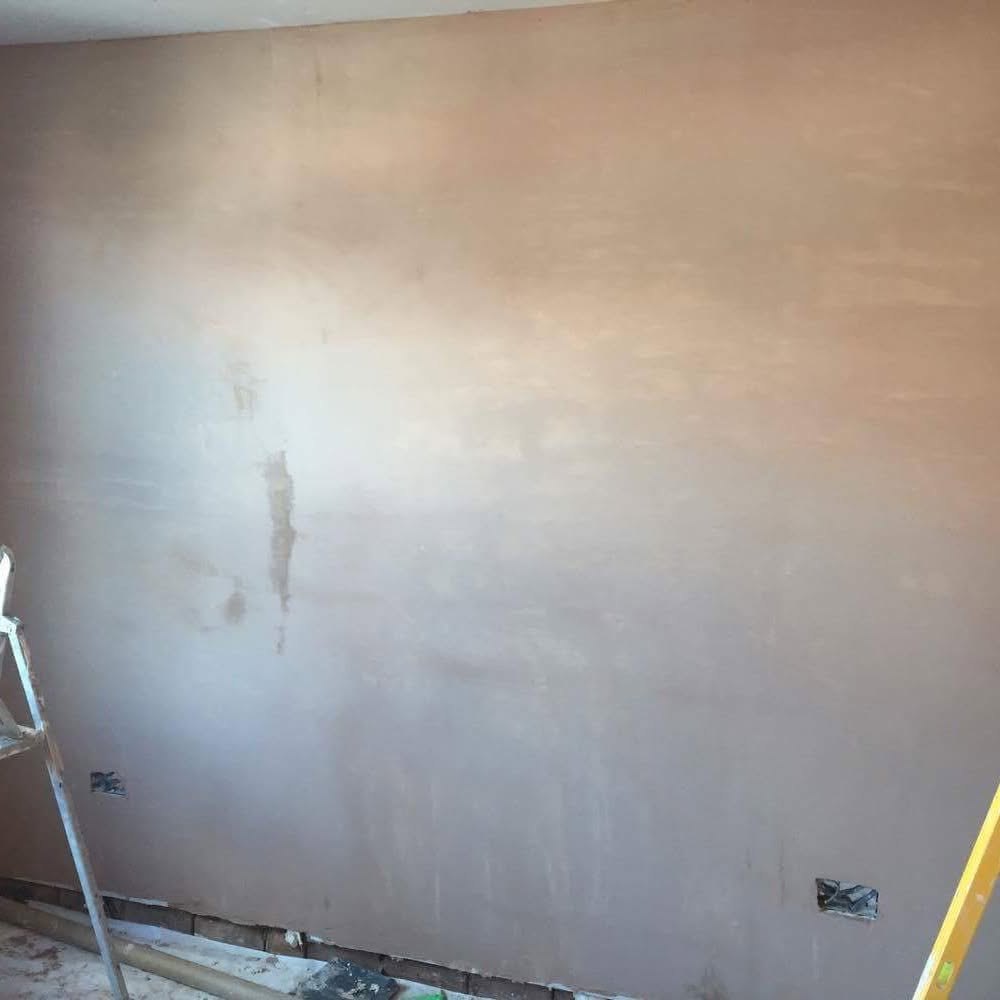
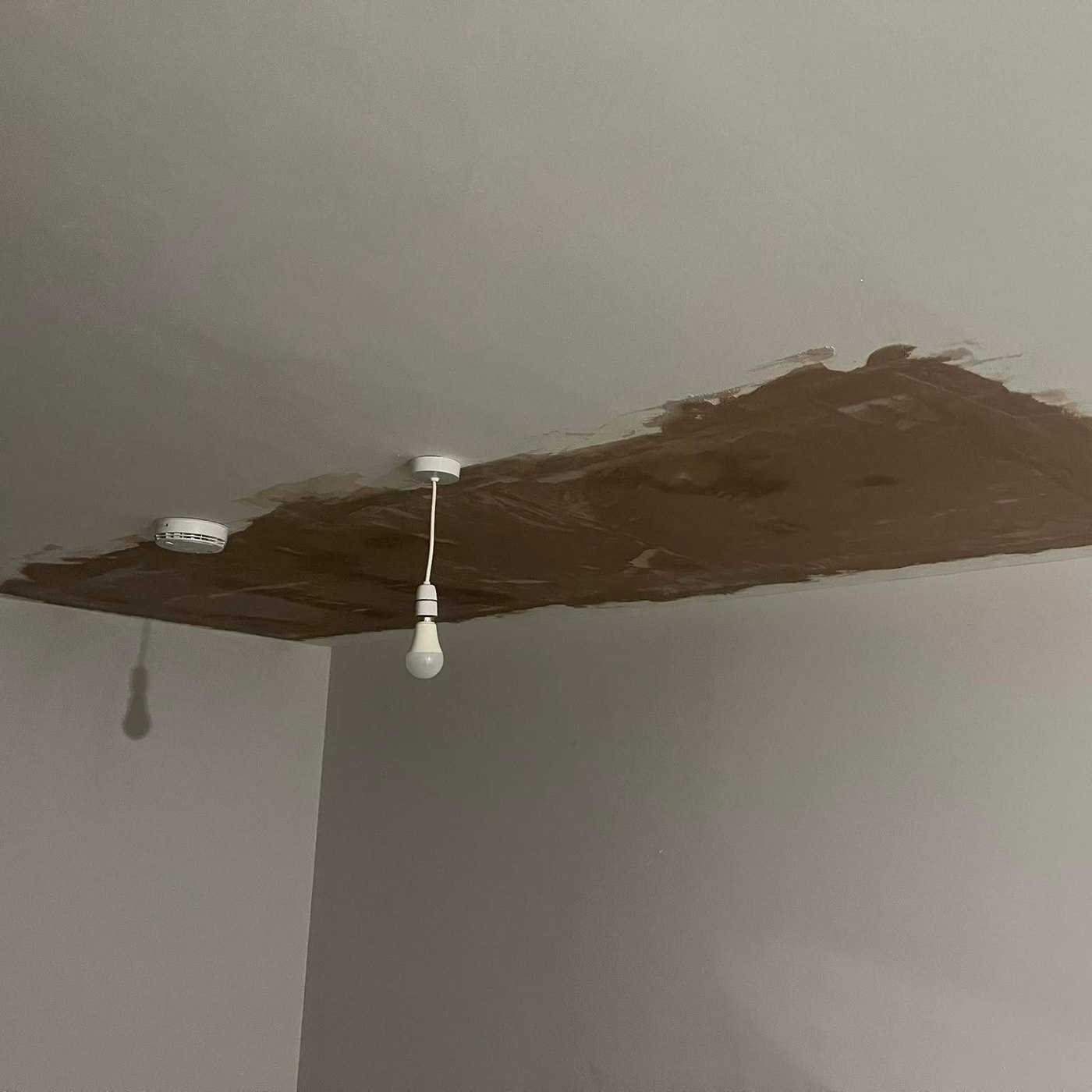
A severe housing shortage in the 1960s and 1970s led to building at Snape Wood and Sellers Wood, and Top Valley was built in the 1970s on three former farms. Crabtree Farm, Highbury Vale, Hempshill Vale and the Bulwell Hall estate were also added during the last century. Homes from the 1960s and 1970s usually have plasterboard ceilings and plastered brick or block walls. Common jobs include ceilings with cracked board joints, walls patched after a rewire or new central heating, and textured ceilings that owners want flat. Cracked joints are taped with scrim and the whole ceiling skimmed; a textured ceiling is filled level and skimmed over rather than scraped.
Doing several rooms together
If several rooms need work, doing them as one job is usually easier on you. Furniture is moved once, dust sheets go down once, and the house dries out together. Ceilings come first, then walls, and hallways and stairs usually come last because they are the route through the house. Once everything is dry, a mist coat of watered-down emulsion goes on before normal decorating.
For indoor plastering anywhere from Rise Park to Highbury Vale and the Market Place, call 07877 353120 or use the enquiry form. We work seven days a week, 7am to 5pm.