West Bridgford is about 3 miles south of Mapperley, across the Trent. Its centre is mostly Victorian, laid out on the Musters family's grid of tree-lined roads, and further out the town spreads into estates from the 1950s, the 1980s and the last few years. The plastering approach depends heavily on which part of town the house is in.
Victorian West Bridgford
When the Musters family sold land for building, they set strict rules. On main roads such as Musters Road there were limits on housing density and size, and every house had to have a set number of bedrooms, while smaller houses were allowed on side roads and terraces went up on roads such as Exchange Road. So the central streets mix substantial family houses with modest terraces. Houses of that period were typically built with solid walls and lath and plaster ceilings.
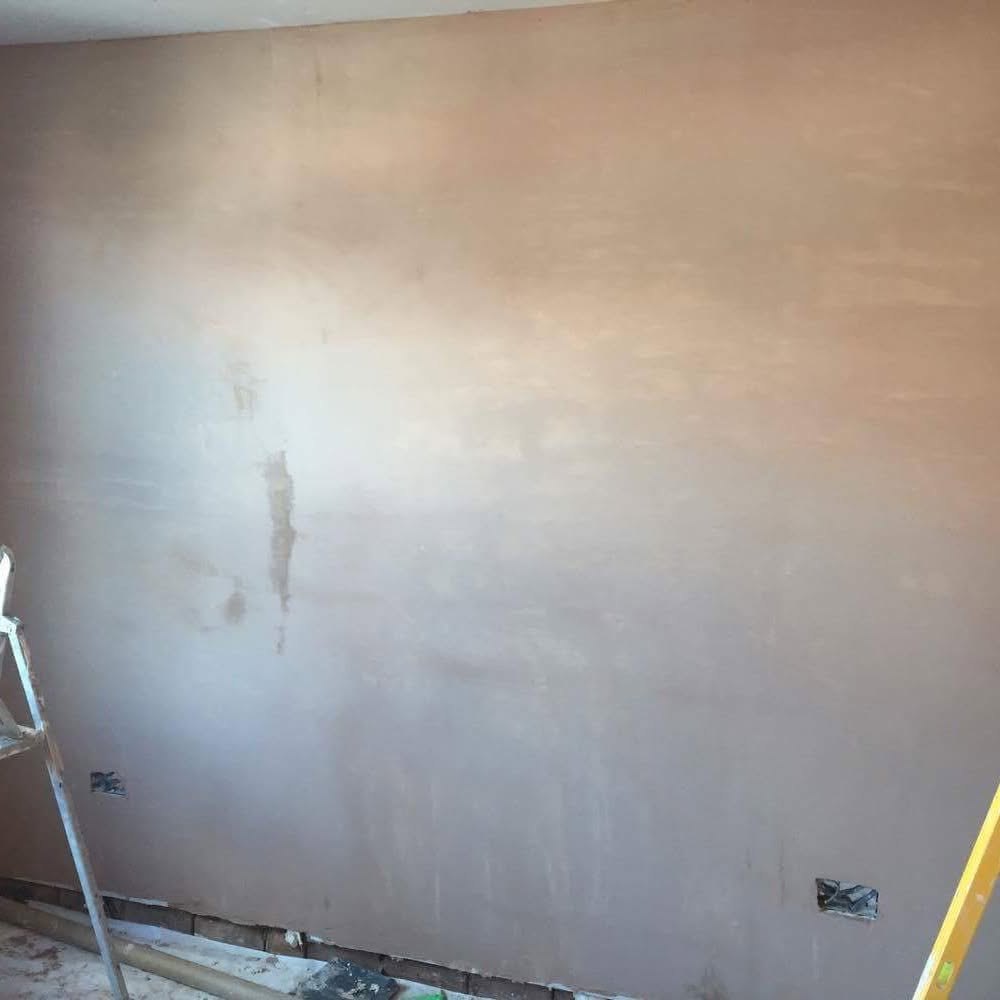
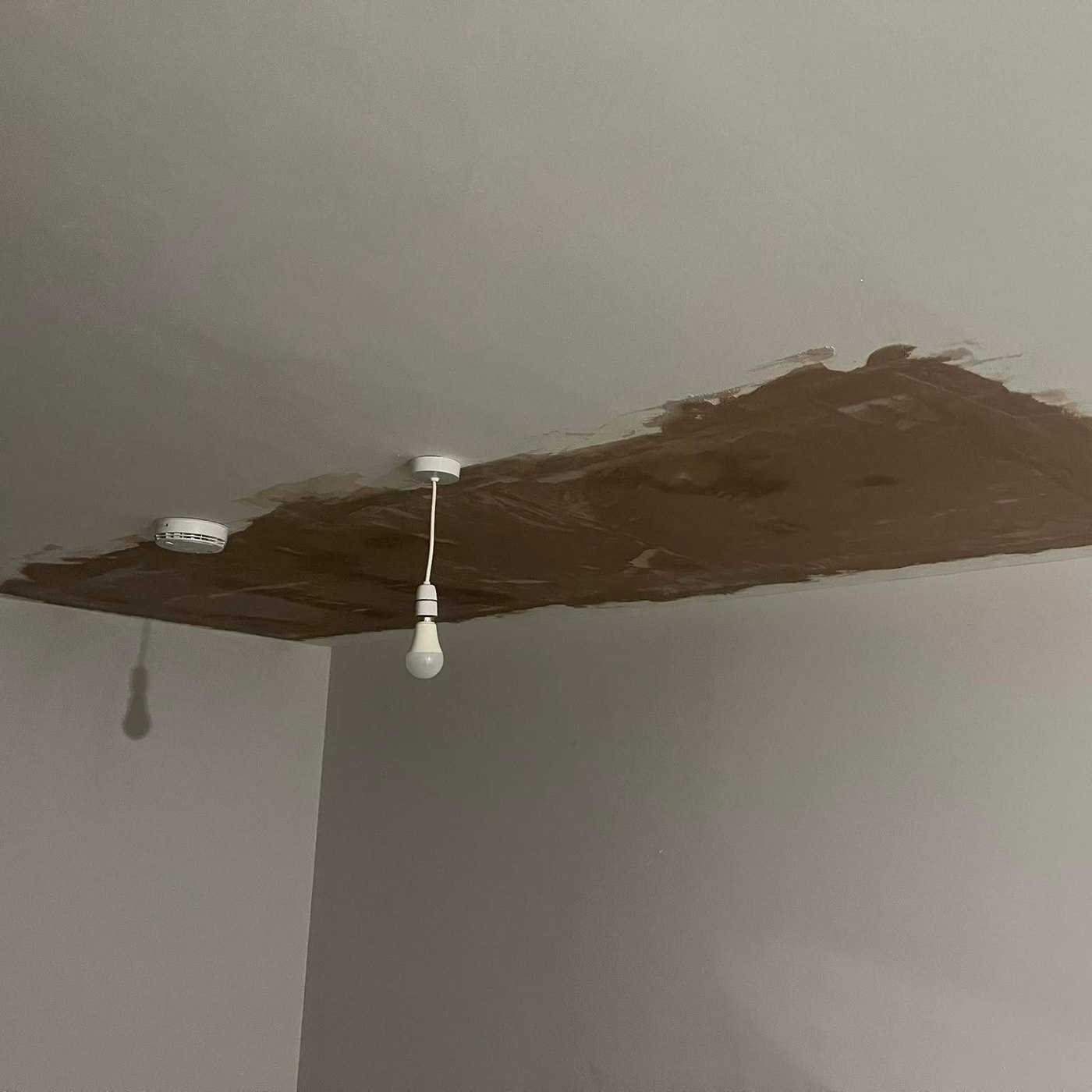
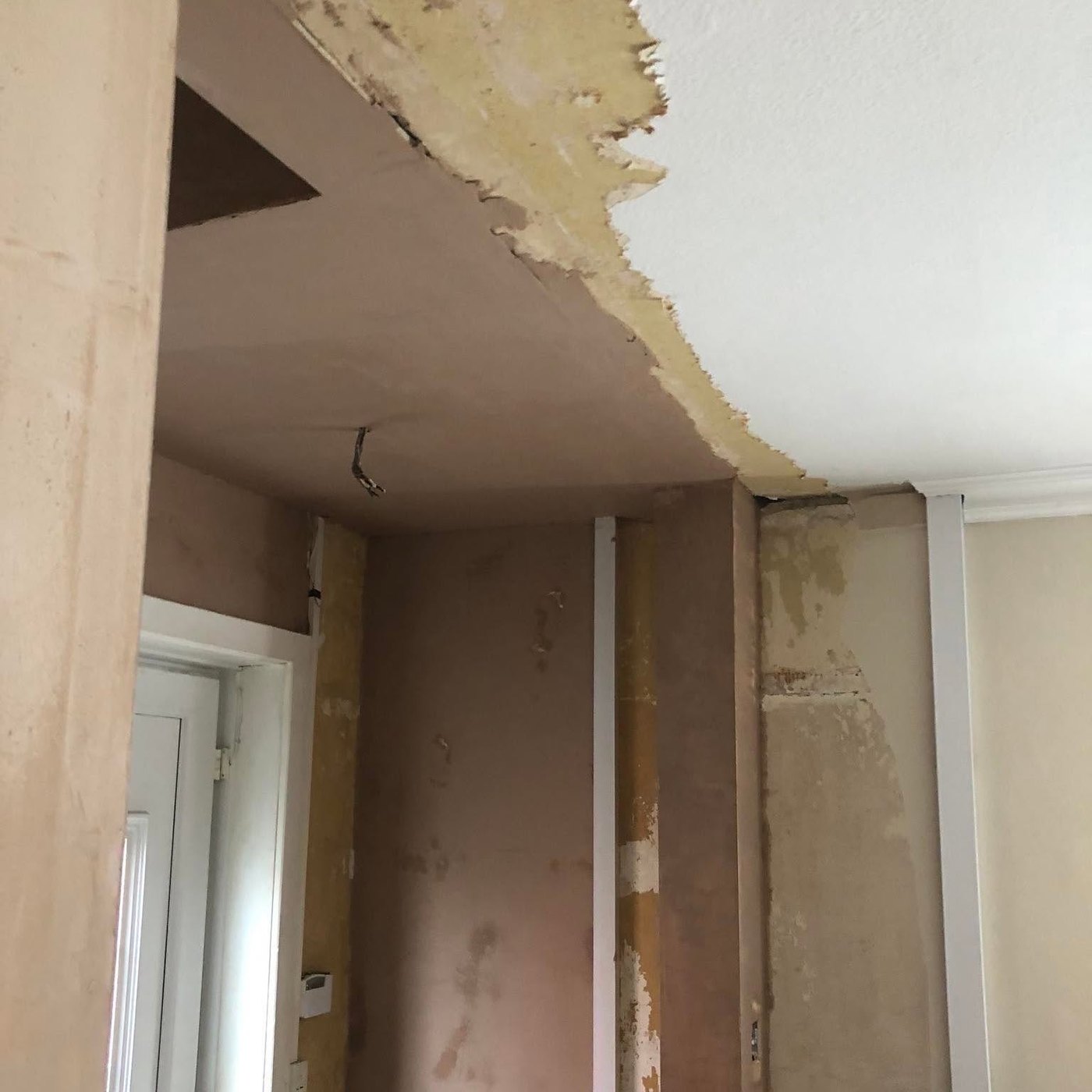
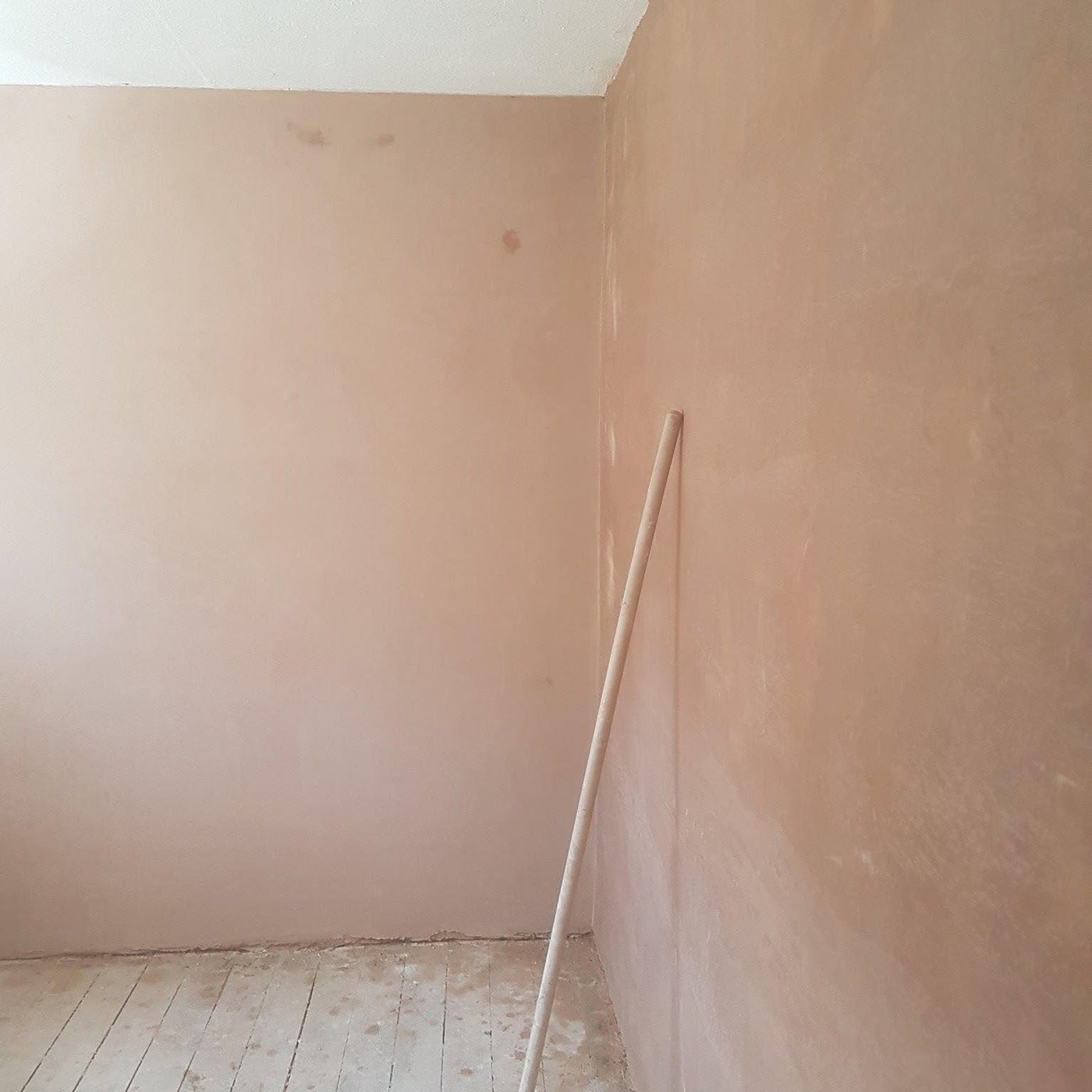
In houses like these, plastering is rarely one coat over the old surface. Old plaster that has come loose sounds hollow when tapped and has to be cut back to firm edges, the gaps filled with backing plaster, and then the wall skimmed. Ornate cornices and ceiling roses are worth protecting: a ceiling can be skimmed up to the cornice and the original moulding left in place.
Big rooms, tall walls
Larger houses of this era often have tall stairwells, bay windows and long hallways. A stairwell wall that rises two storeys needs a safe platform over the stairs and is ideally finished in one session so there is no visible join. Bay windows mean many angles, and each external corner gets a bead so it stays straight.
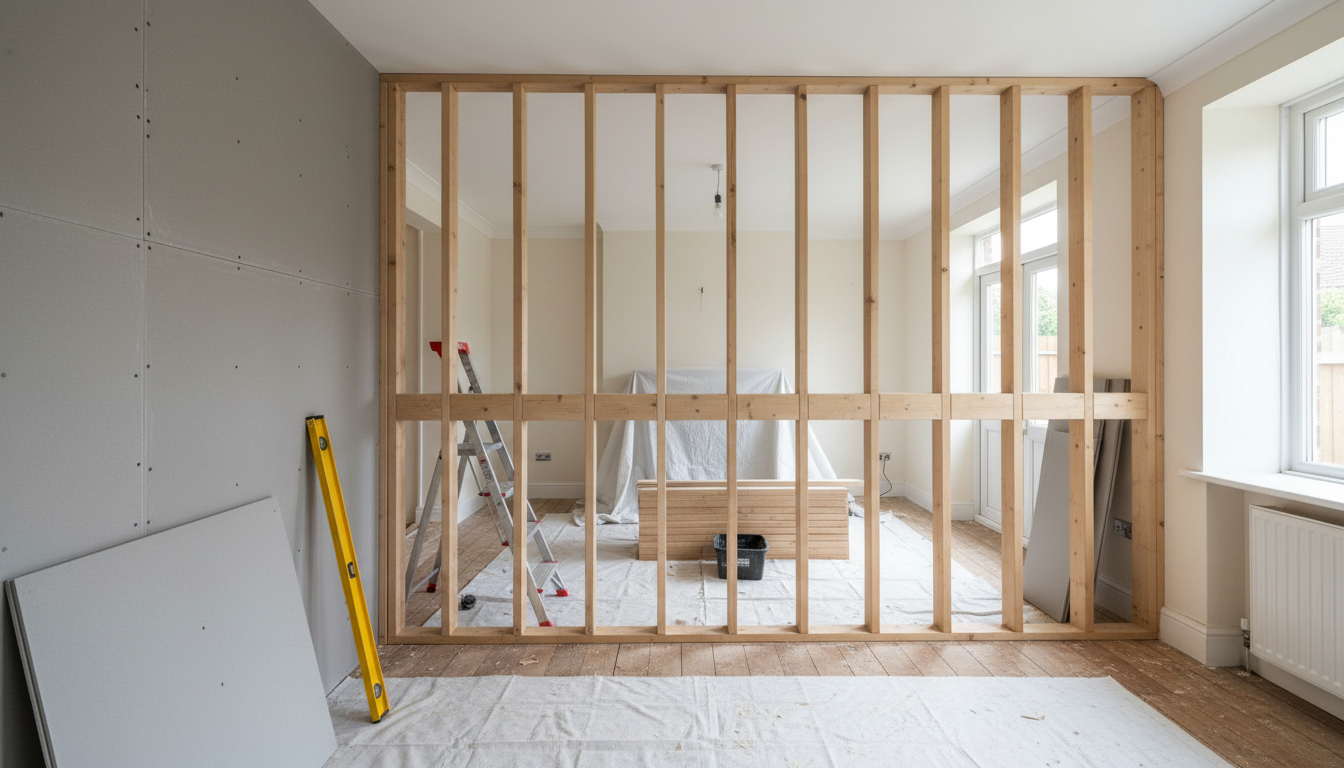
Whole-house refurbishments follow a sequence: strip out, first-fix electrics and plumbing, plaster ceilings, then walls, then let everything dry before decorating. Keeping windows open a little and the heating gentle helps the plaster dry evenly rather than crack.
Edwalton, Gamston and Sharphill
Edwalton's first large estates went up in the early 1950s, with more from the 1980s, and most of Gamston's homes were built from the 1980s. Houses from these years usually have plasterboard ceilings, some still with a textured coating, and walls that are sound but tired, so a skim brings them back. The newer high-specification family homes at Sharphill Farm are likely to be dry-lined, and skimming over the boards gives a tougher finish once the house has settled.
Edwalton's old village and the large Victorian, Edwardian and inter-war houses on Melton Road and Valley Road became a conservation area in September 2025. That mostly affects outside work, but check whether your house is listed before altering original interiors.
From Abbey Park to Wilford Hill, call 07877 353120 or send photos through the enquiry form. We are open seven days a week, 7am to 5pm.