Stapleford sits on the Derbyshire border, about 7 miles west-south-west of Mapperley, and it grew on framework knitting and lace. Many 18th-century framework knitters' cottages survive on the east side of town, and that heritage shapes much of the indoor plastering here.
Knitters' houses on Nottingham Road
The Nottingham Road conservation area, designated in 1986, contains a large group of listed framework knitters' houses, many of them three storeys high and some with knitters' workshop windows on the top floor. Houses like these bring their own challenges. Wide window openings mean deep reveals, with every angle needing to be straight and square. Three floors mean tall staircases with walls that climb well above head height. And the walls themselves are old solid construction, often with soft original plaster that does not sit well with dense modern gypsum.
Those long top-floor windows were made to let in as much light as possible for the knitters, and that same light shows up every ripple in a wall. In a former workshop room, a flat, even finish matters more than almost anywhere else in the house.
Listed or not?
Before any work on an older Stapleford house, find out whether it is listed. The parish has 17 listed buildings, one at Grade I, one at Grade II* and fifteen at Grade II. Listing covers the inside of a building as well as the outside, so replacing original plaster, removing a chimney breast or changing a ceiling can need listed building consent from Broxtowe Borough Council. Unlisted houses in the Church Street or Nottingham Road conservation areas have more freedom inside, because conservation area controls mostly concern exteriors.
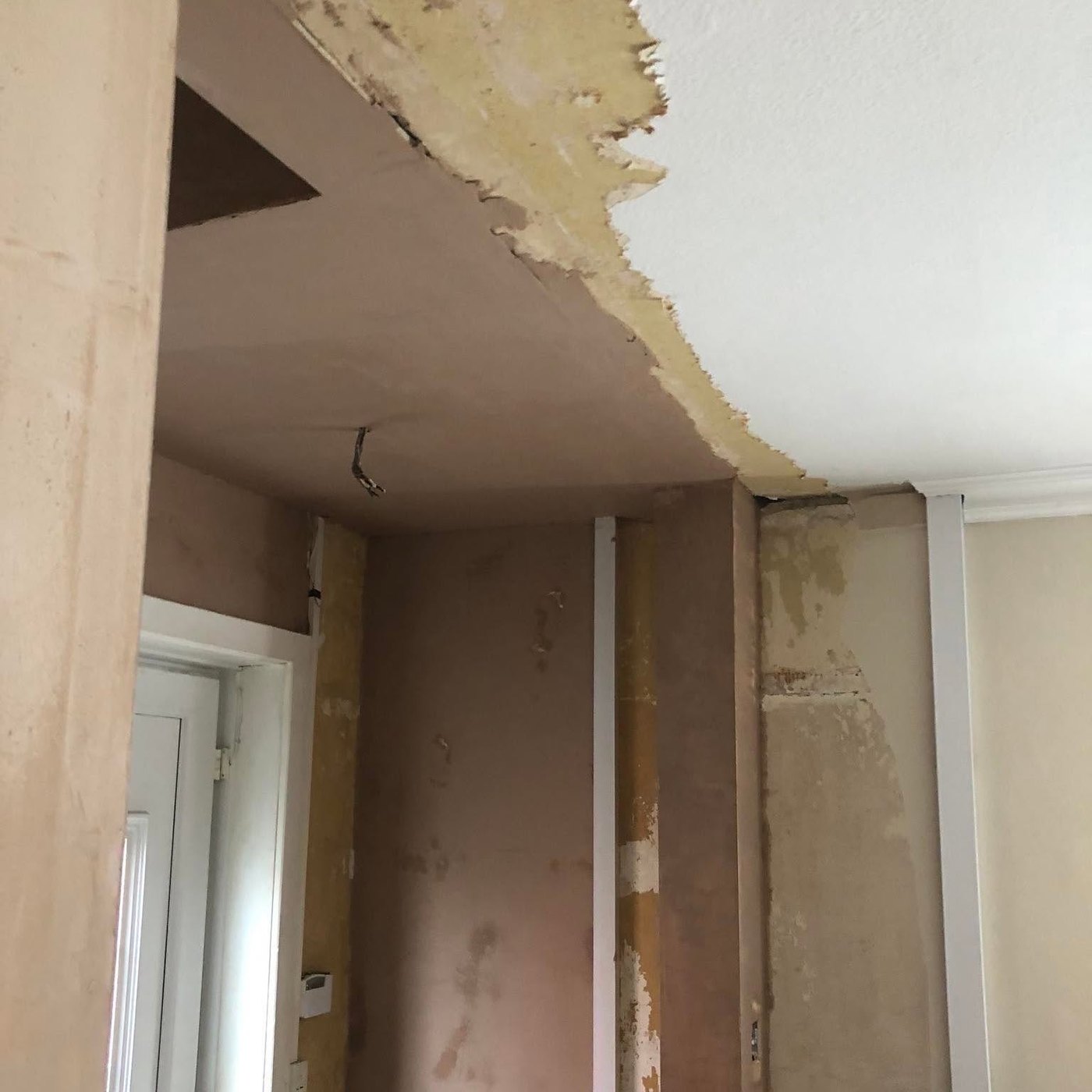
In historic houses, repair usually beats replacement. Sound old plaster can stay, and failed areas are cut back and made good in a material that suits the wall, so moisture is not trapped in old brick or stone.
Twentieth-century Stapleford
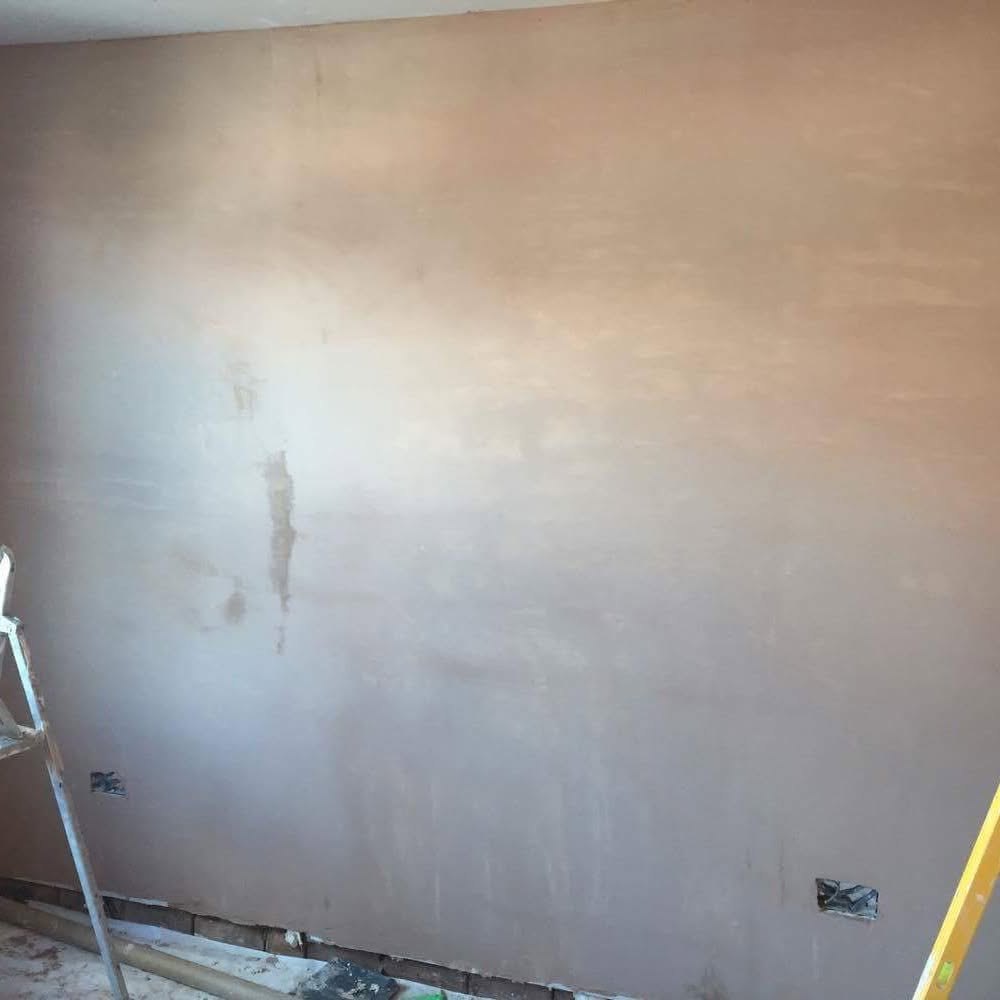
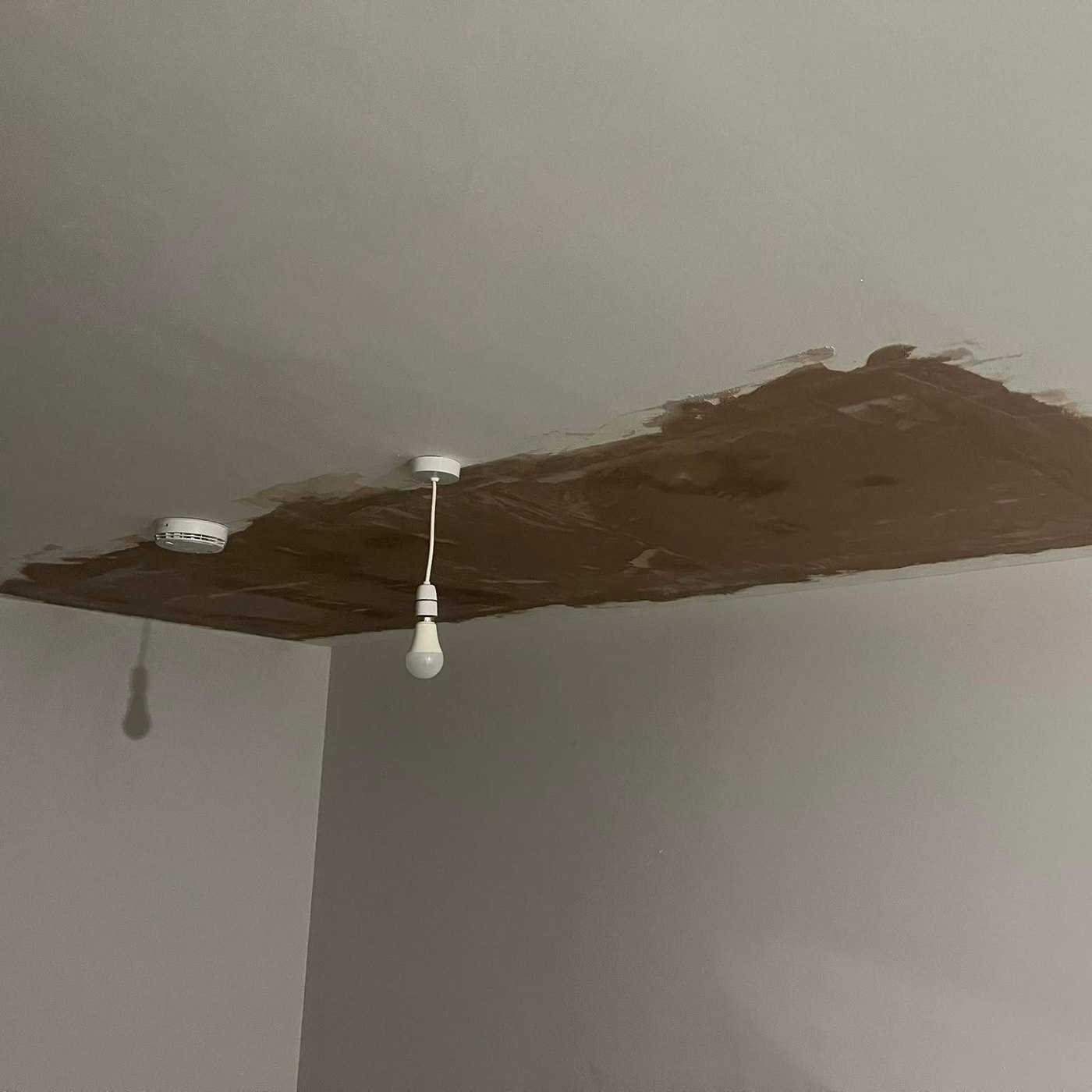
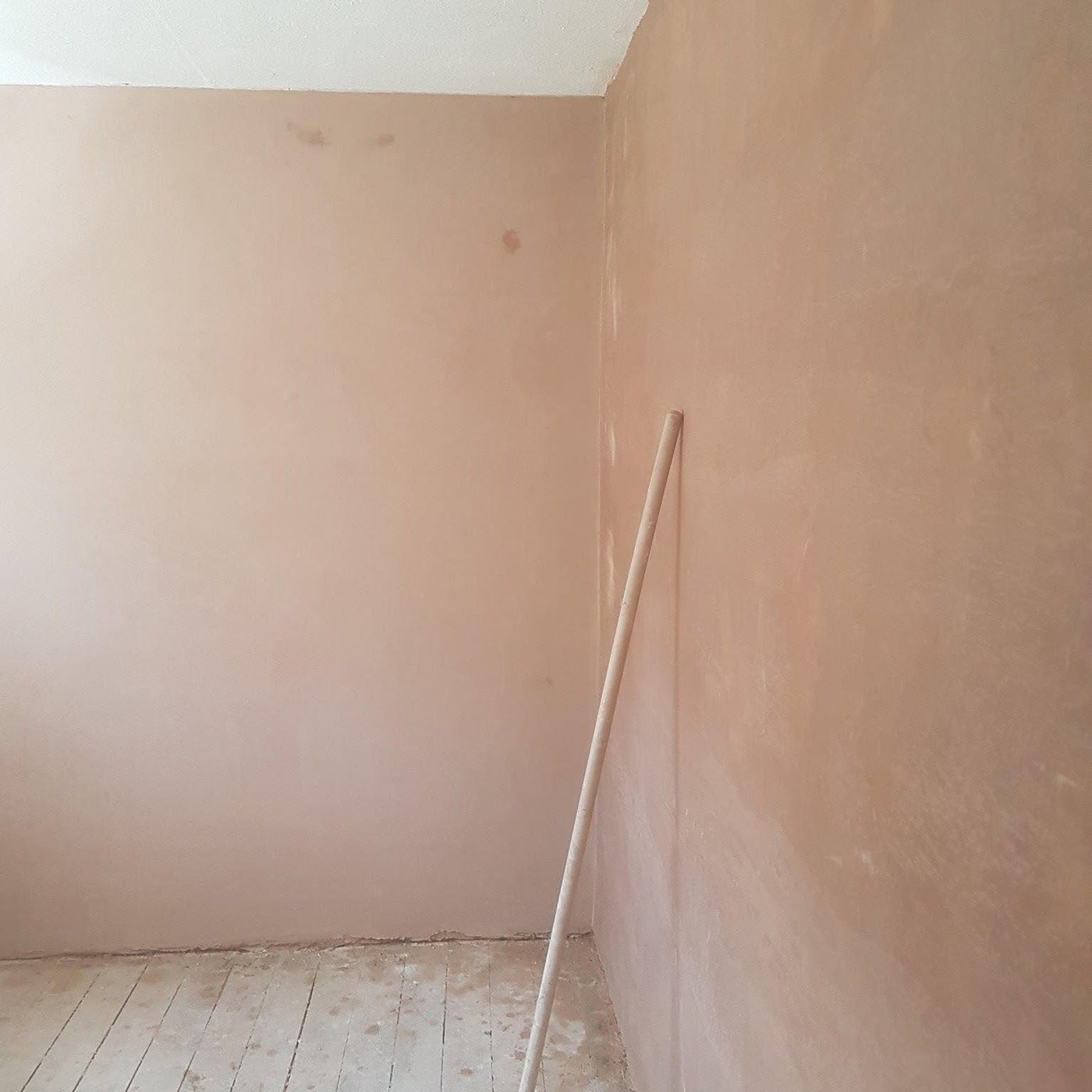
Stapleford's population passed 4,000 by 1891 and continued to rise rapidly in the 20th century as new housing was built. In homes from those decades, indoor plastering is usually about renewal: walls skimmed when paint no longer hides the cracks, ceilings flattened, chimney breasts squared up after a fire surround comes out, and rooms made good after rewiring. If a ceiling still has an old textured finish, skimming over it is cleaner than scraping and leaves the coating undisturbed; anything from before 2000 should be tested before it is sanded. A house can be done room by room or all at once, and plastering the hallway, stairs and landing in the same job keeps the finish consistent from front door to top floor.
Whether you are near The Roach, around St Helen's Church or out towards Toton, call 07877 353120 or use the enquiry form to talk about the job. We work seven days a week, 7am to 5pm.