Framework knitters' houses and period walls
Stapleford's textile history is written into its streets. Many 18th-century framework knitters' cottages survive to the east of the town, and the Nottingham Road conservation area holds a large group of listed knitters' houses, many of them three storeys high, some with workshop windows on the top floor. Around St Helen's Church, the Church Street conservation area includes late 18th and early 19th-century detached houses on Church Lane.
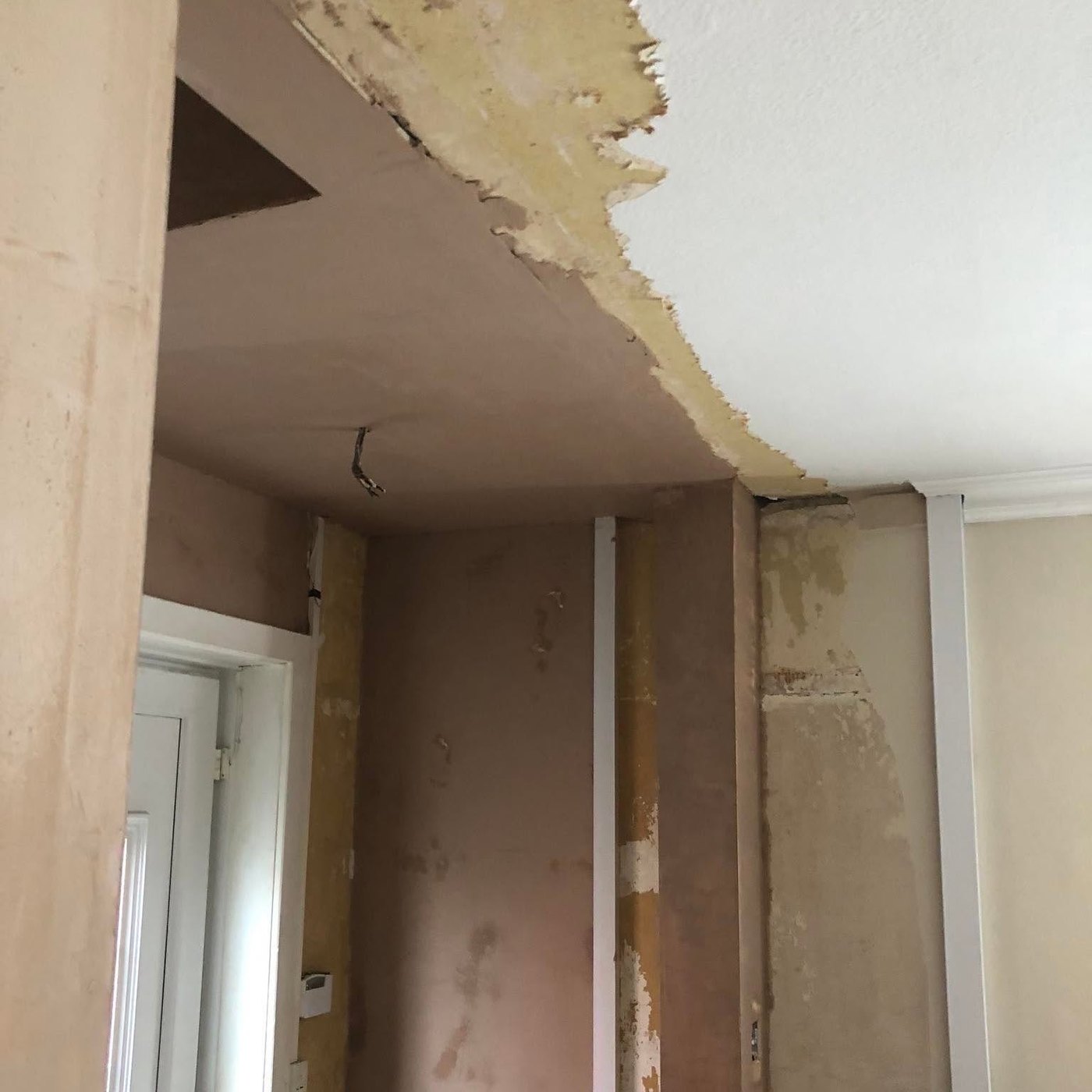
If you live in a listed building, fixing panelling to the walls is the kind of internal change that can need listed building consent. Check with Broxtowe Borough Council before any work is planned. Walls in houses of this age usually carry lime plaster, which is softer than modern gypsum and can be crumbly or loose after two centuries, so it needs careful checking and repair before anything is bonded to it.
Twentieth-century homes
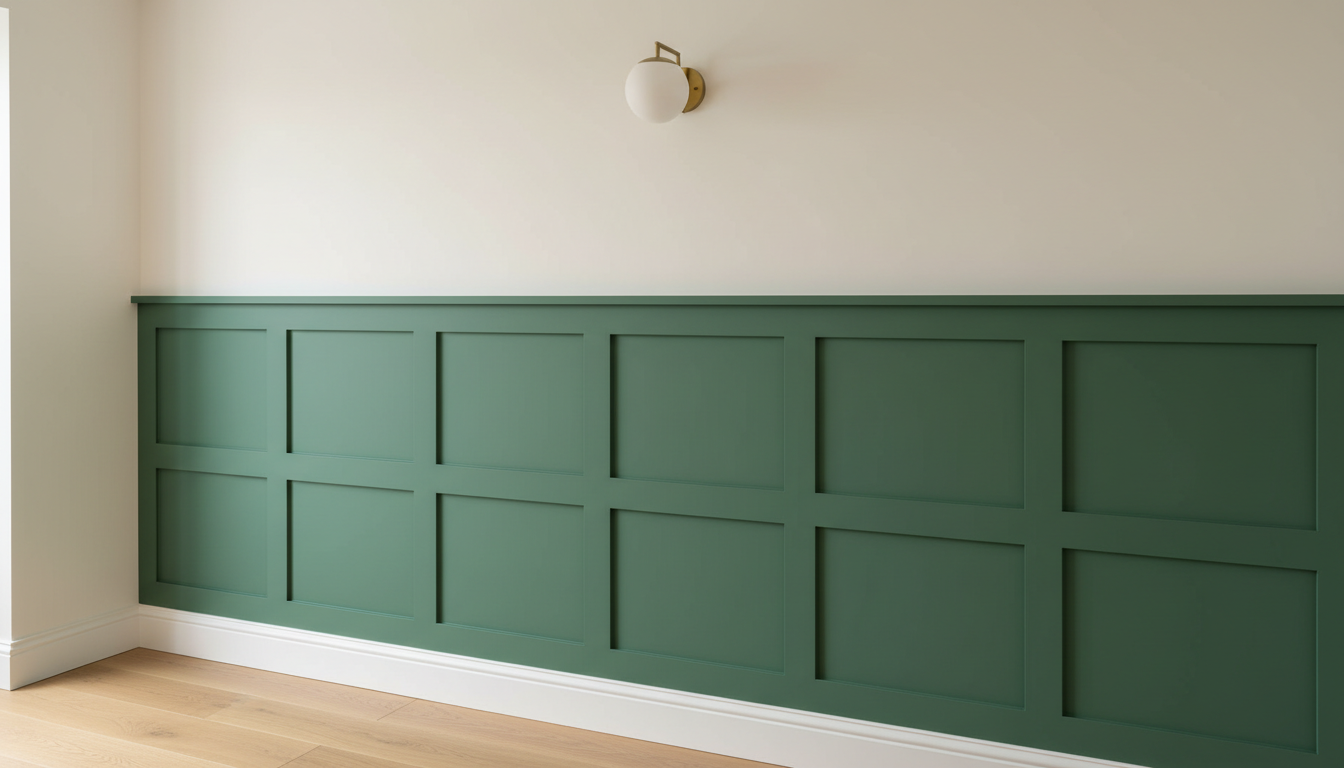
Stapleford's population rose rapidly in the 20th century as new housing was built, so many homes in the town are far younger than the knitters' cottages. In these houses, panelling is mostly about adding character to straightforward rooms. Half-height panelling suits a hallway that takes daily wear, full-height shaker frames make a bedroom feature wall, and picture-frame moulding gives a dining room a more traditional feel. Board and batten is a good fit where you want something simpler and more modern.
Preparing the wall properly
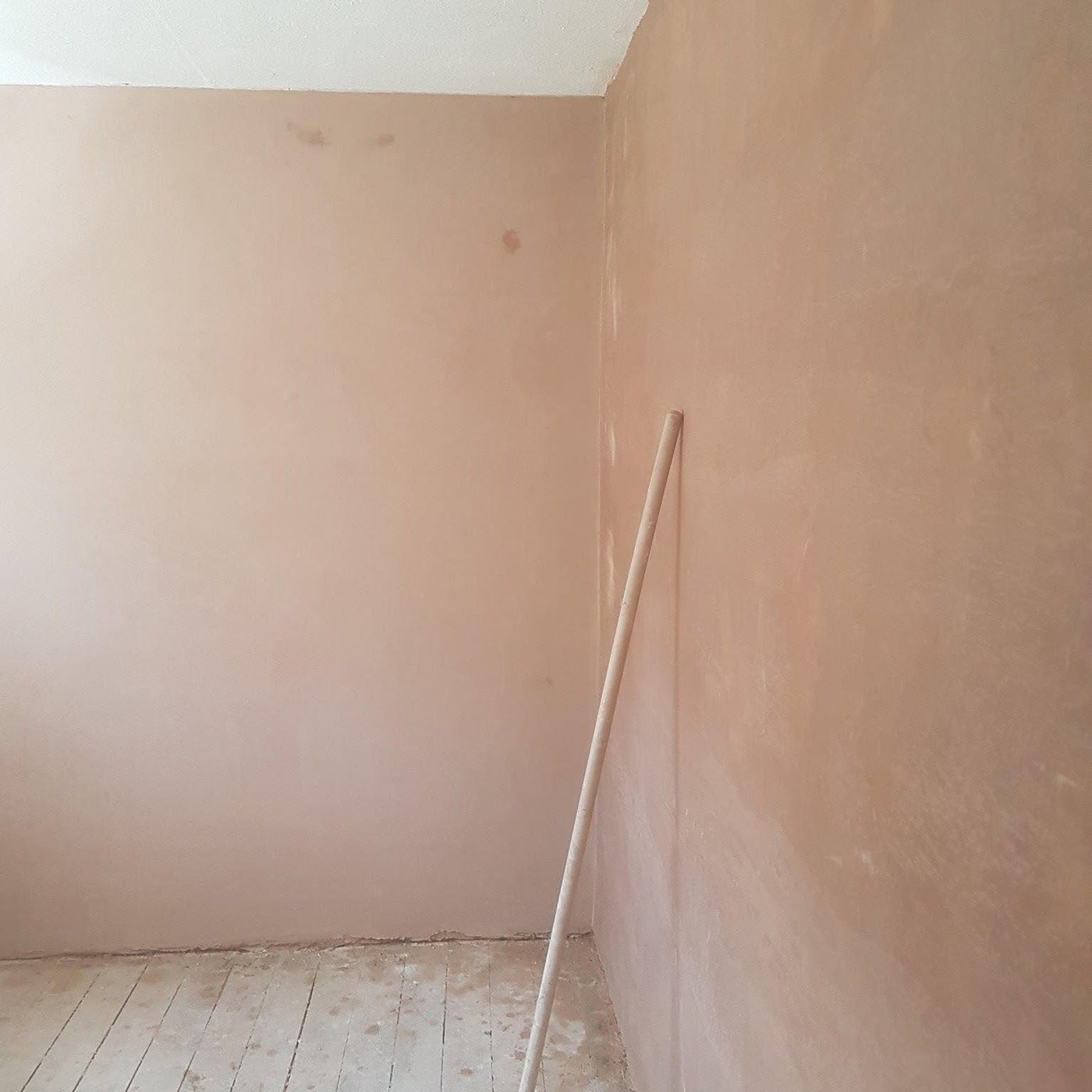
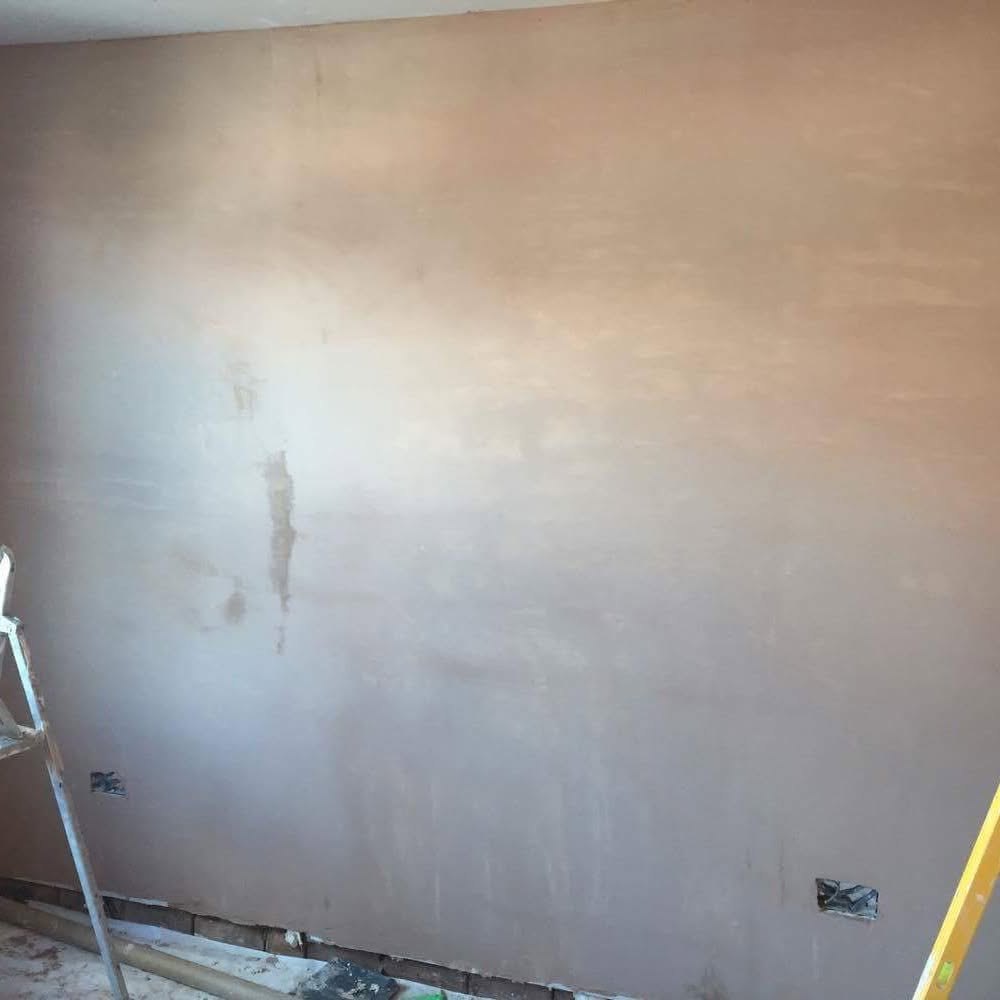
Whatever the age of the house, the panelling is only as good as the wall behind it. We run a straight edge across it and tap for hollow areas. Cracked or loose plaster is repaired, and a wall that is too wavy is skimmed. Then the frames are marked out, spaced evenly around doors, windows, sockets and radiators. Planning the gaps between frames so they look equal from the doorway matters more than most people expect. On a staircase, the frames are set out to follow the pitch of the stairs so they line up with the hall below and the landing above.
The MDF is cut, bonded and pinned, and every joint, pin hole and edge is filled, sanded or caulked. You are left with panelling ready for priming and painting. If a socket needs moving into a better spot, book a qualified electrician for that before we begin.
Get in touch
To talk about panelling in Stapleford, call 07877 353120 or use the enquiry form, and include a photo of the room if you can. Let us know if the house is listed or sits in one of the conservation areas, so we can plan around it from the start. We work seven days a week, 7am to 5pm.