Knitters' houses on Nottingham Road
Stapleford's textile past is still standing. Many 18th-century framework knitters' cottages survive to the east of the town, and the Nottingham Road conservation area, designated in 1986, has a large group of listed knitters' houses, many three storeys high, some with knitters' workshop windows on the top floor. The Church Street conservation area, designated in 1978, adds late 18th and early 19th-century houses on Church Lane, and the parish has 17 listed buildings in all. In buildings like these, plasterboard is not automatically the answer. Old solid walls and lime plaster were designed to let moisture move through them, and sealing them behind gypsum board can push damp somewhere it does no good. For a listed house, changes to the interior can also need listed building consent from Broxtowe Borough Council.
When boarding does make sense
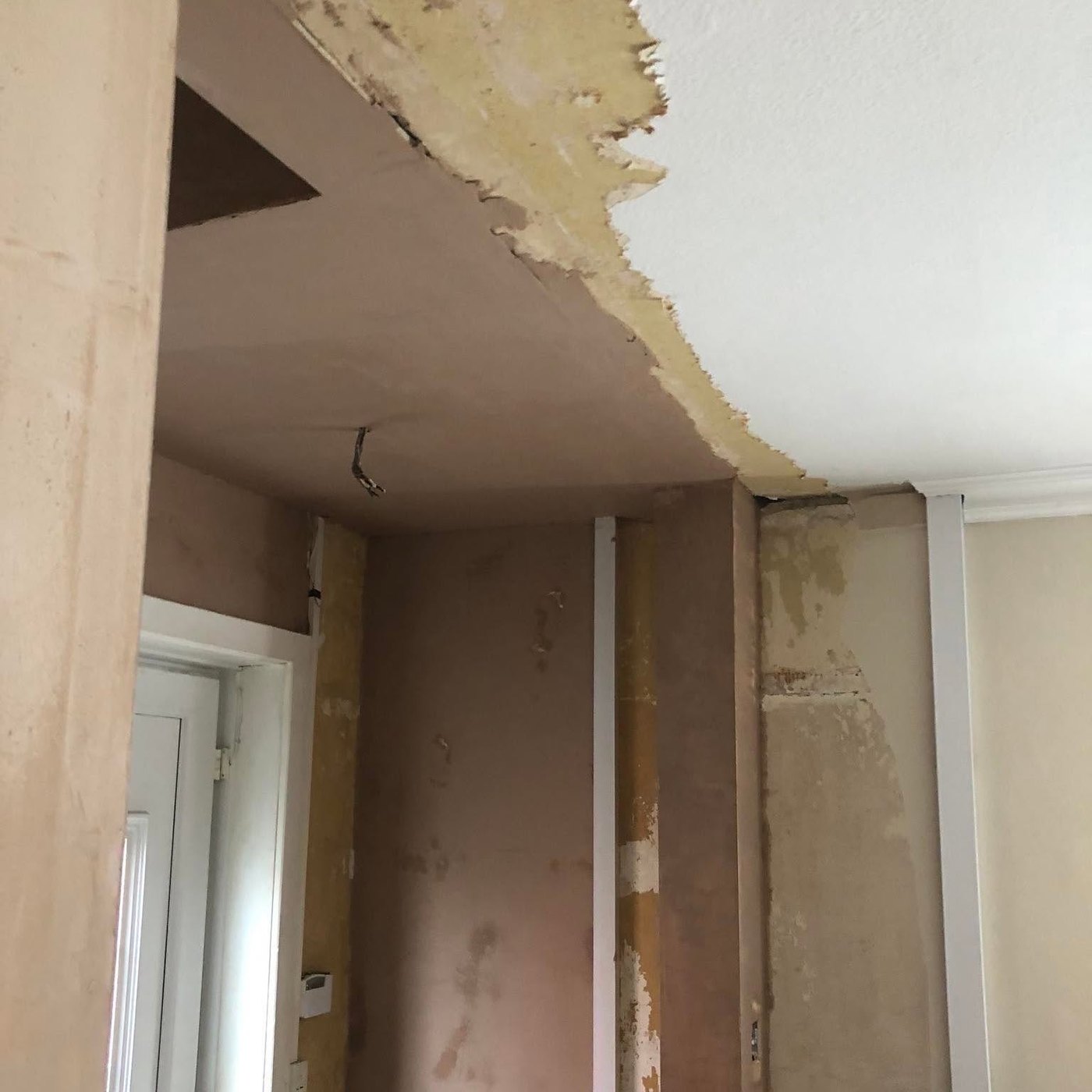
That does not mean plasterboard has no place in older Stapleford homes. Later additions, rear extensions, partitions that were boarded in the first place and modern bathrooms are usually fair game, and a ceiling that has already lost its original plaster can be boarded without losing anything of value. Top-floor workshop rooms are a good example of where care is needed: the window reveals deserve careful treatment, and the walls between them may well be original. The key is knowing which parts of the house are old. We look first, explain what we see, and suggest the least intrusive route.
The 20th-century town
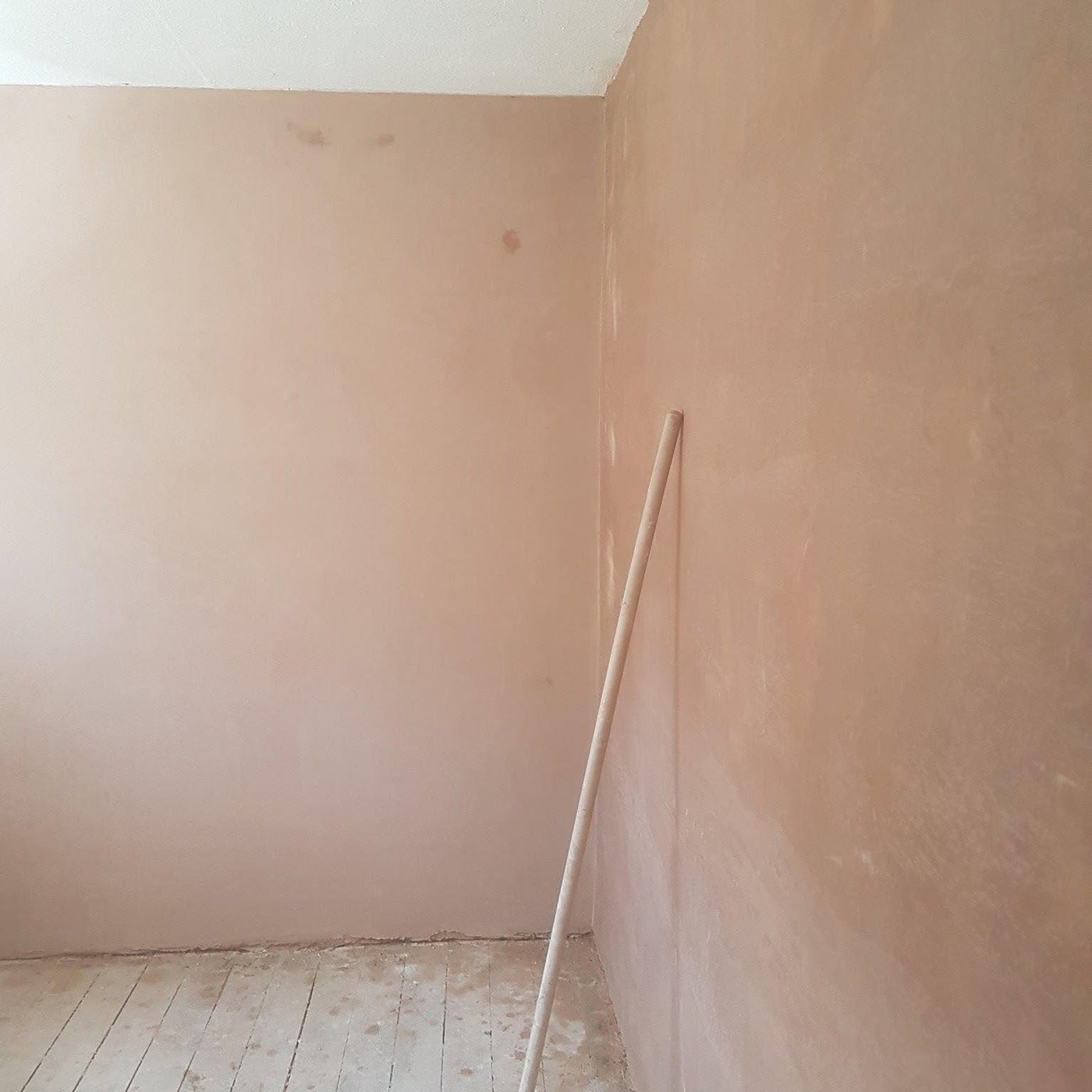
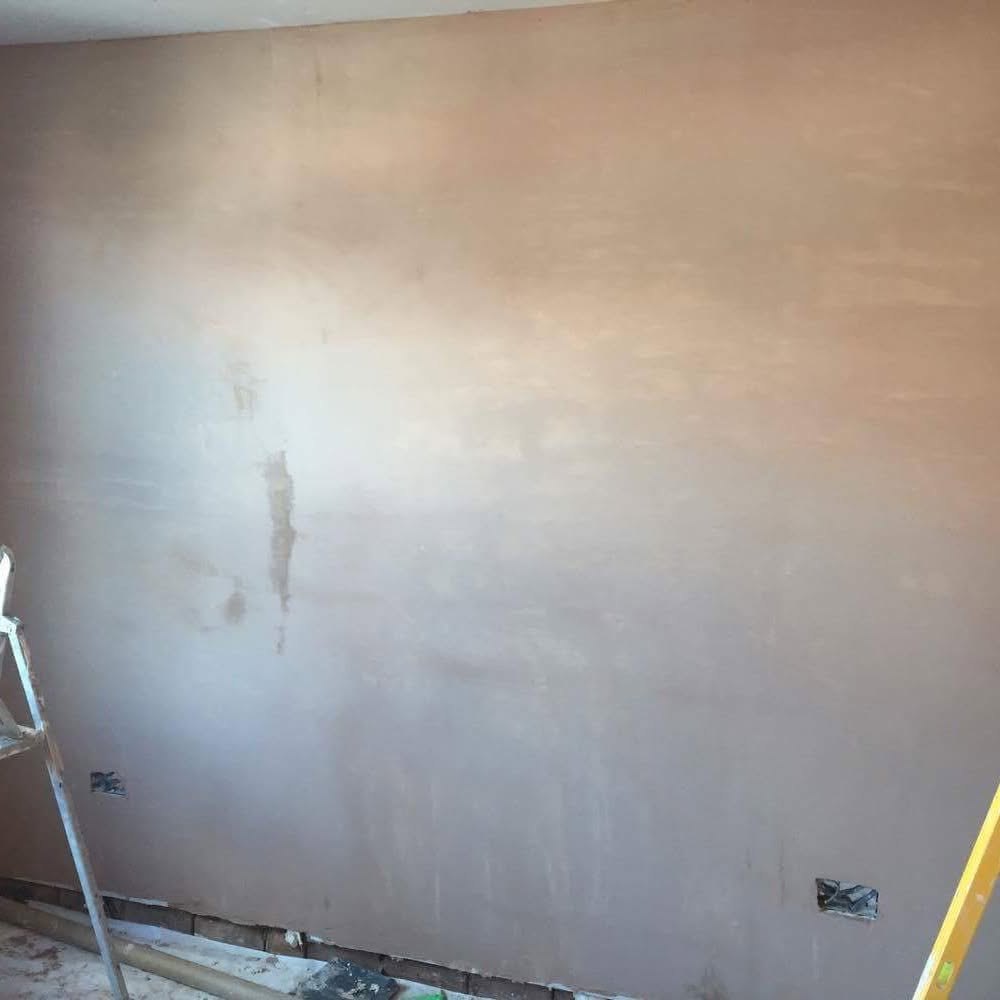
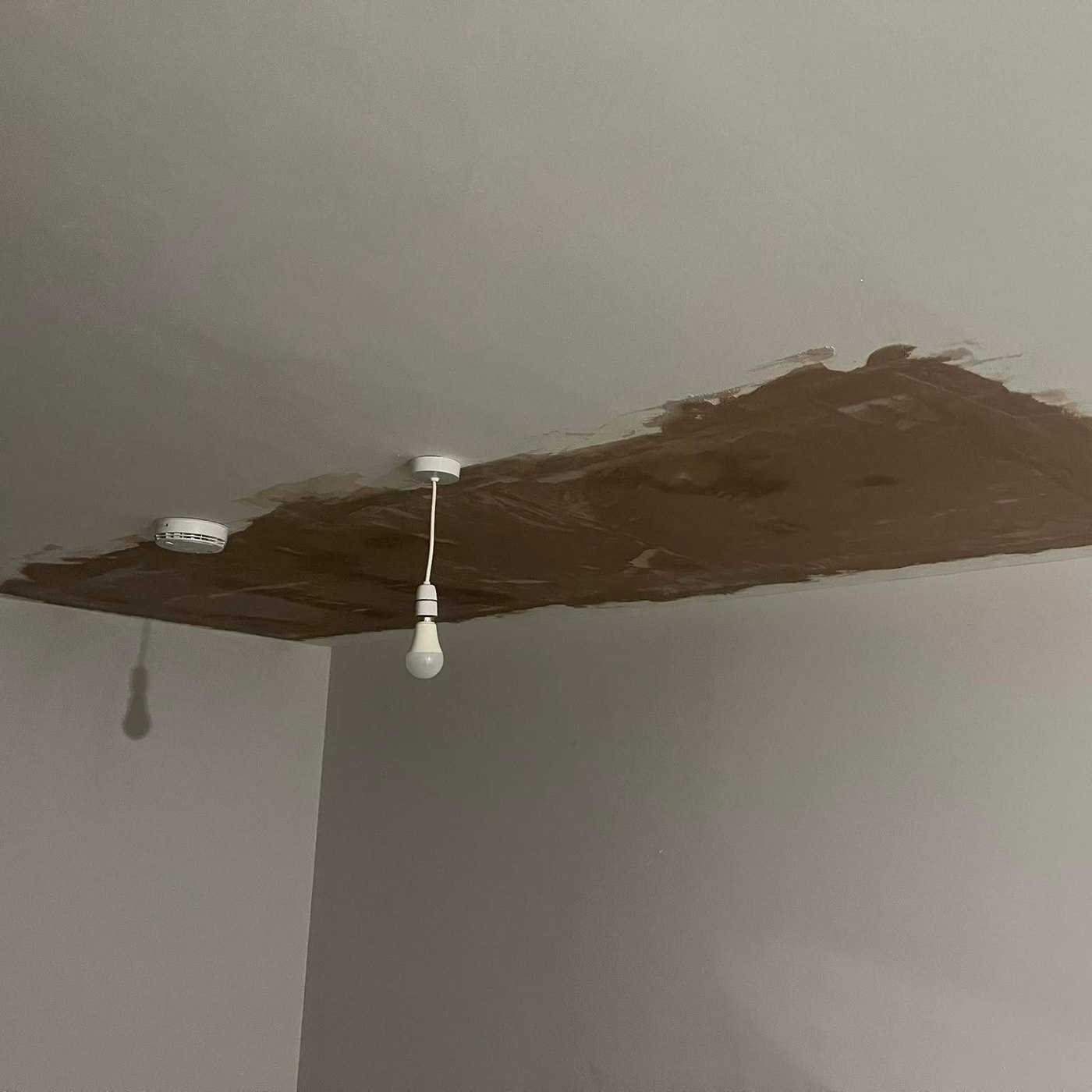
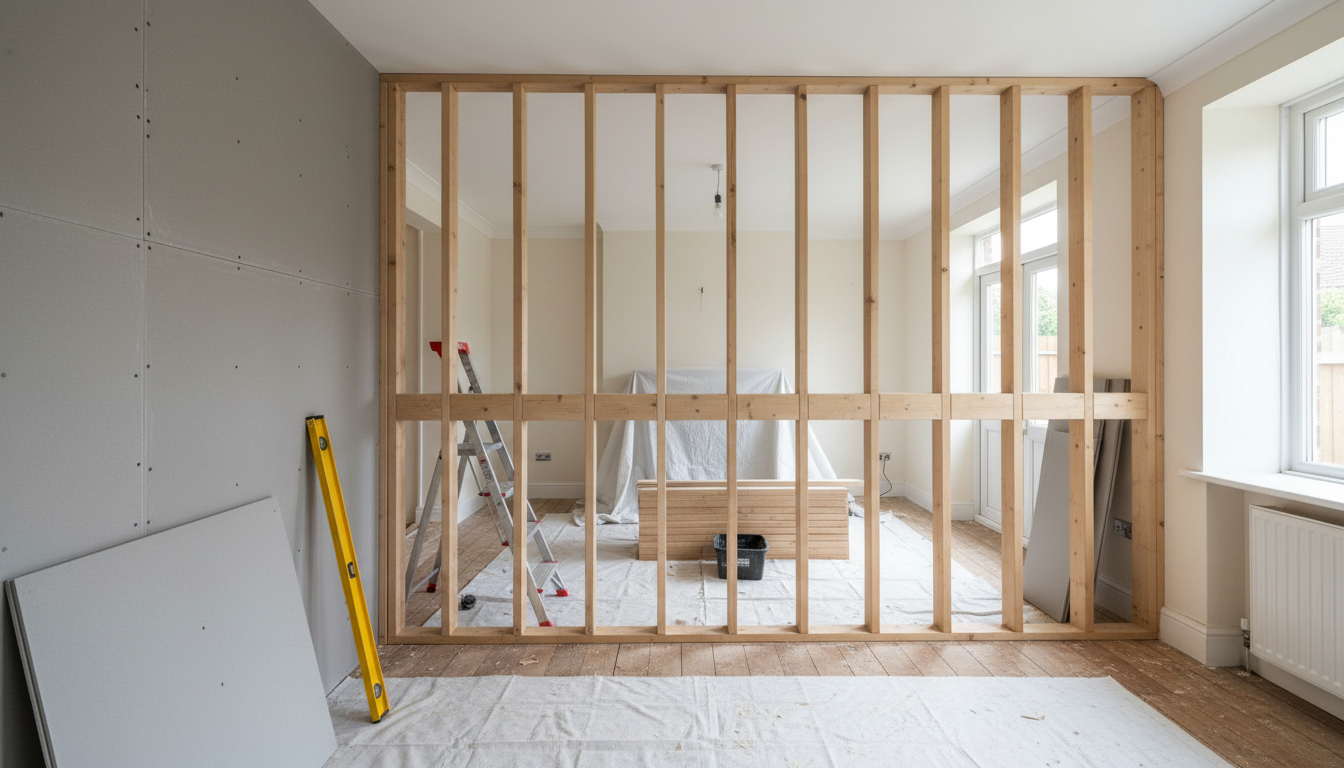
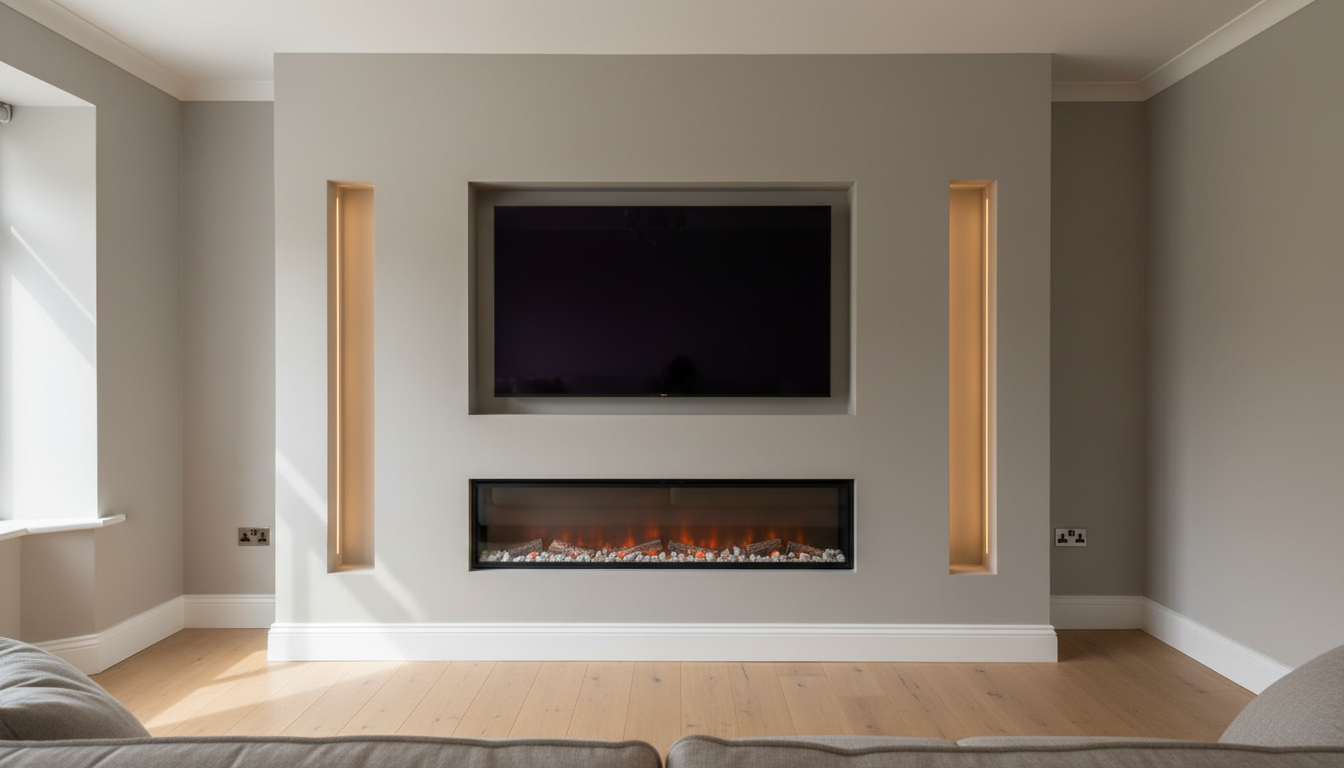
Stapleford's population went from under 800 in 1801 to over 4,000 by 1891, and it kept rising quickly through the 20th century as new housing was built. Those later homes are where most everyday plasterboarding happens: replacing a ceiling brought down by a burst pipe, lining a cold or uneven wall, boarding out a loft or finishing a new extension. On masonry walls, boards can be fixed on adhesive dabs with a continuous bead around the edges so draughts cannot get behind. On timber, they are screwed to the studs or joists at close centres. Either way, the joints are scrimmed and the room skimmed so the finish is consistent.
Get a quote
From Church Street near St Helen's to the streets around The Roach, call 07877 353120 or send photos through the enquiry form. If you know your house is listed or in one of the two conservation areas, mention it so we can plan around it. We work seven days a week from 7am to 5pm.