A town mostly built after the war
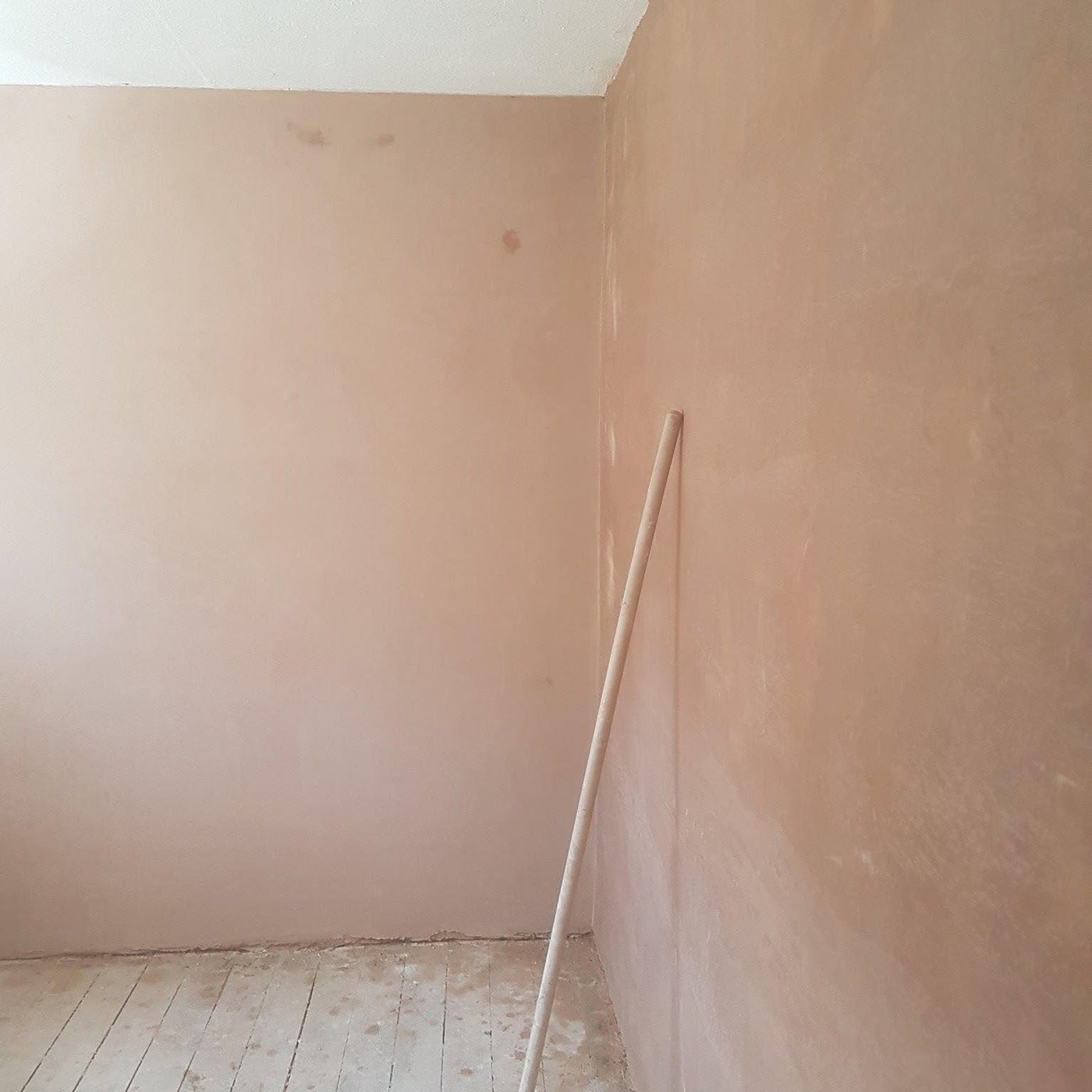
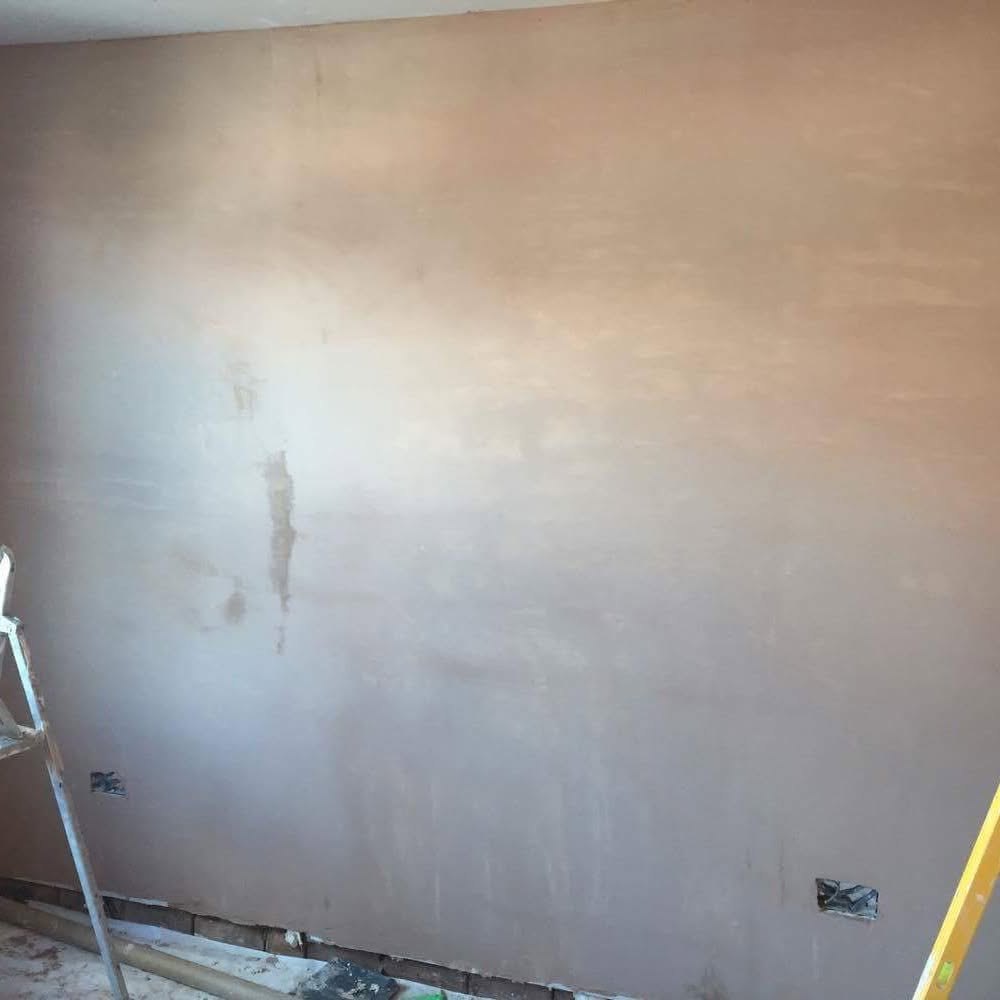
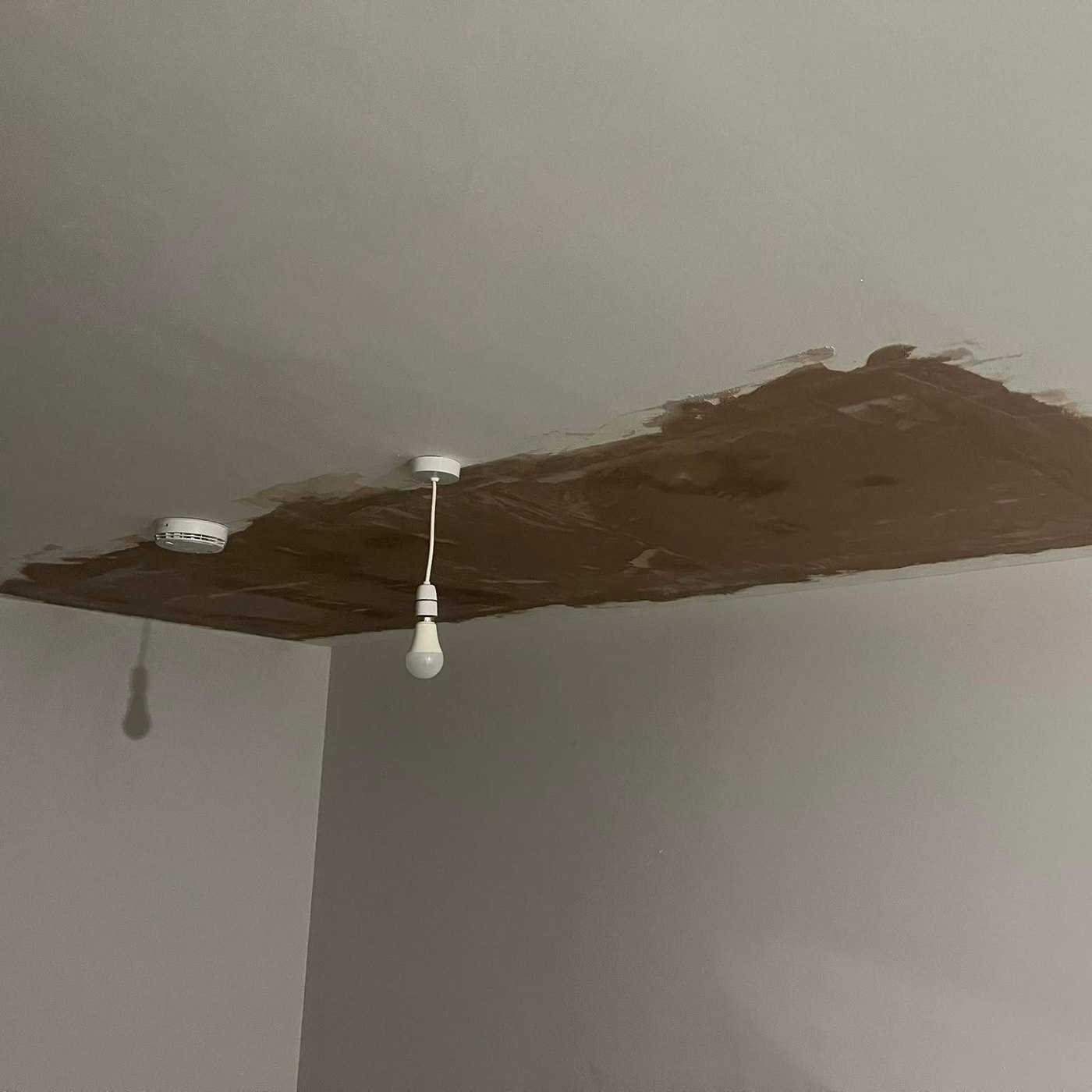
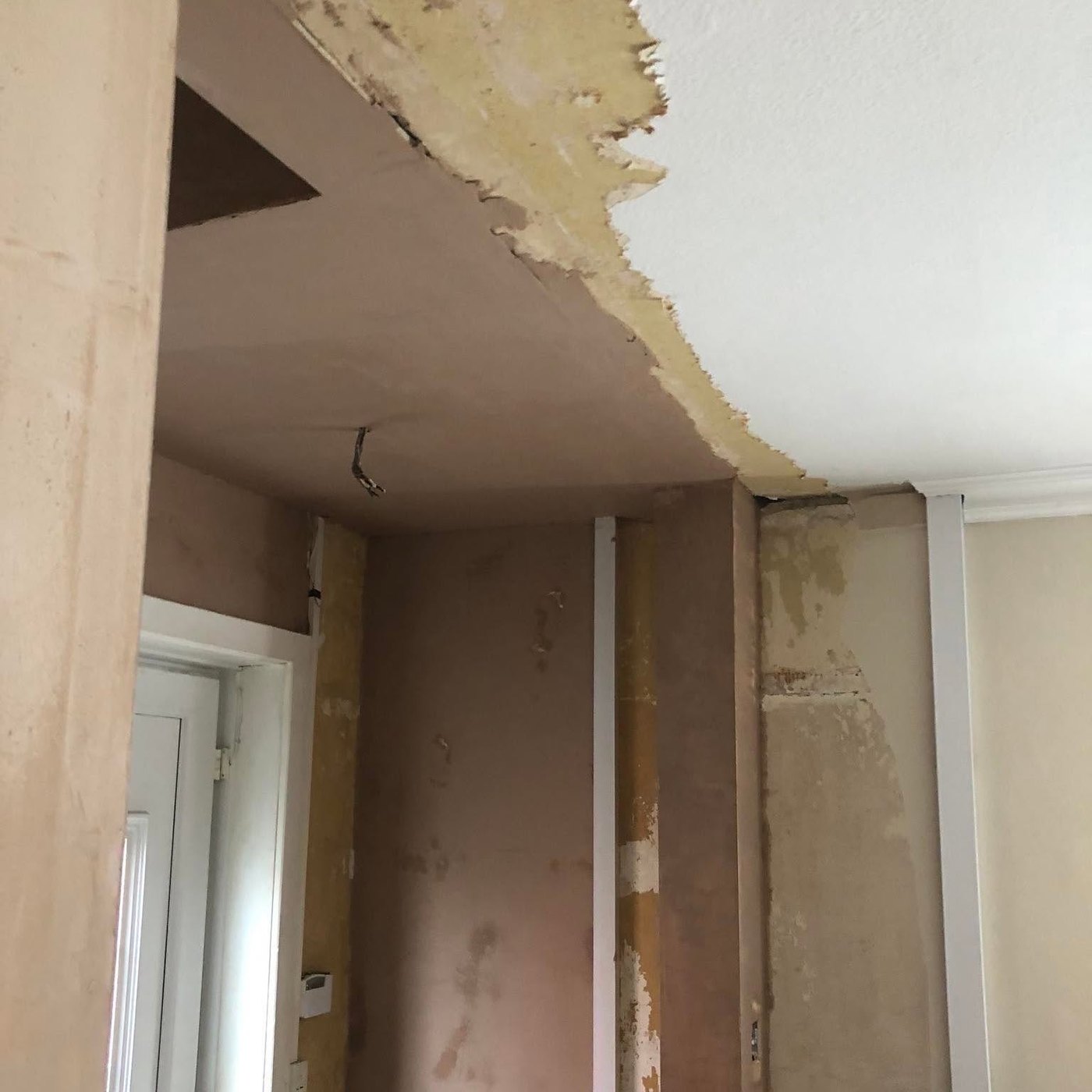
Most of Bingham's buildings are relatively new. After the Second World War, the rural district council inspected more than 2,000 houses to decide which to repair and which to demolish, and the 1960s and 1970s brought almost constant building. Houses of that period were generally built with plasterboard ceilings, usually nailed to the joists and finished with a skim or a textured coating. Half a century on, nails work loose, boards sag between the timbers, and the joints show as faint lines across the ceiling. Screwing new board through the old one into the joists, then skimming, gives a flat ceiling with far less upheaval than pulling the old one down.
Textured ceilings and what to check first
Textured coatings were popular for decades, and they can be awkward when a ceiling needs changing. Before anyone sands or scrapes a textured ceiling applied before 2000, it should be tested for asbestos. Overboarding avoids disturbing it at all: the new board is fixed over the top and skimmed, leaving the old coating sealed in behind. If the coating has been tested and is sound and well bonded, it can also be skimmed directly after the right preparation, which keeps the ceiling at its current height. The same overboarding approach suits a ceiling with old cracks that have been filled and painted over too many times.
Cottages in the conservation area
Bingham's conservation area, designated in May 1970 and the first in Rushcliffe, holds early cottages, vernacular buildings and 24 listed buildings or structures, many clustered between the church and the Market Place and along Long Acre. Older buildings like these were not made for gypsum. Their solid walls and lime finishes need to let moisture out, and lining them with plasterboard can trap damp. For a listed building, changes inside can also need listed building consent. In these houses we will be straight with you about whether plasterboard is the right material at all.
Newer homes and getting in touch
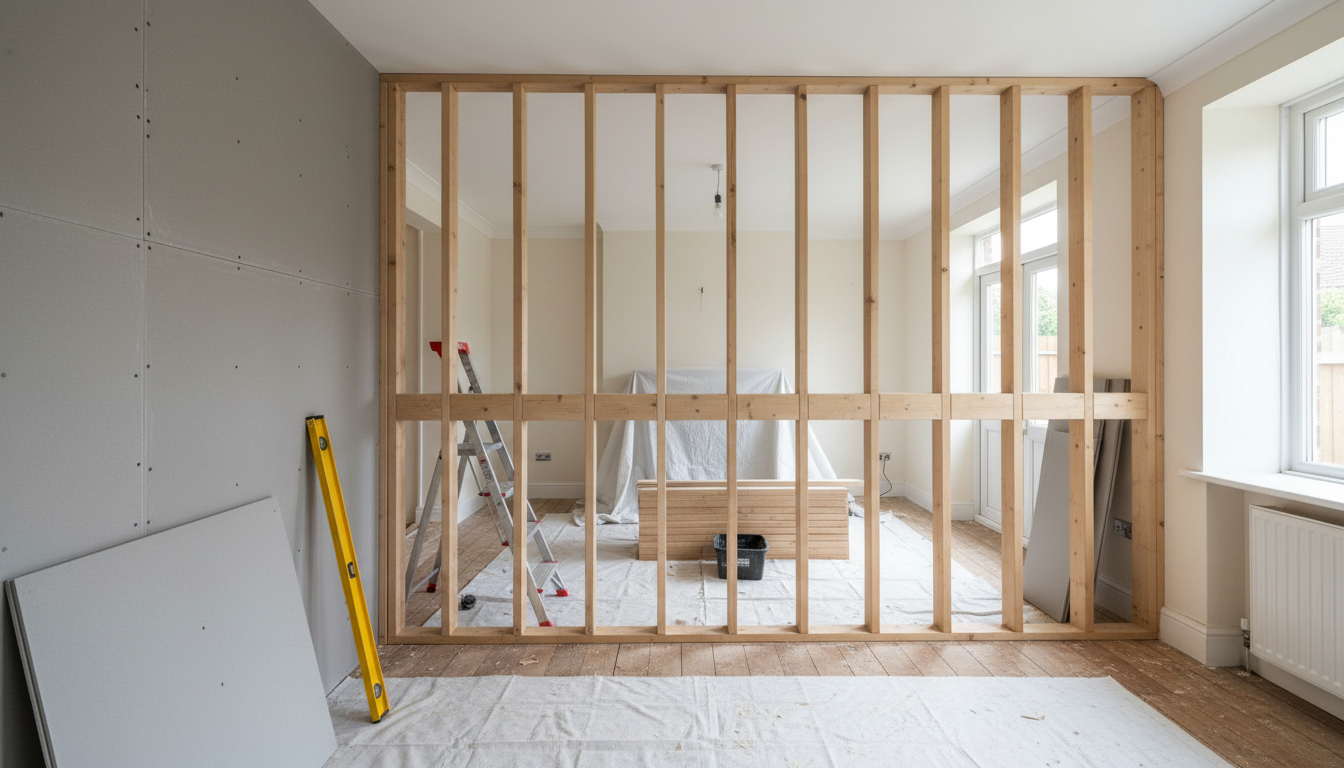
The Romans' Quarter north of the town, started around 2018 with plans for around 1,000 homes, adds a new generation of houses where the work is about change rather than repair: lofts, garages and new partitions. Brand-new houses can show hairline cracks at board joints while the timber dries out; those are worth leaving until the house has settled, then raking out, taping and skimming. Call 07877 353120 or send photos via the enquiry form. We work seven days a week, 7am to 5pm.