Plasterboard, hung and finished by one trade
Plasterboard, often called drywall, is what most modern walls and ceilings are made of: sheets of gypsum between paper liners, fixed to timber, metal or masonry and then finished. Patch Me If You Can fits plasterboard across Nottingham and up to 30 miles around, and because we plaster as well, the same person who hangs the boards also finishes them. There is no gap between trades and no question of whose job an uneven joint is.
When you need new plasterboard
- Ceilings that are cracked, sagging, water-damaged or old lath and plaster that has had its day
- Walls that need a new surface over uneven brickwork or failing plaster
- Renovations and extensions where walls and ceilings are being built or opened up
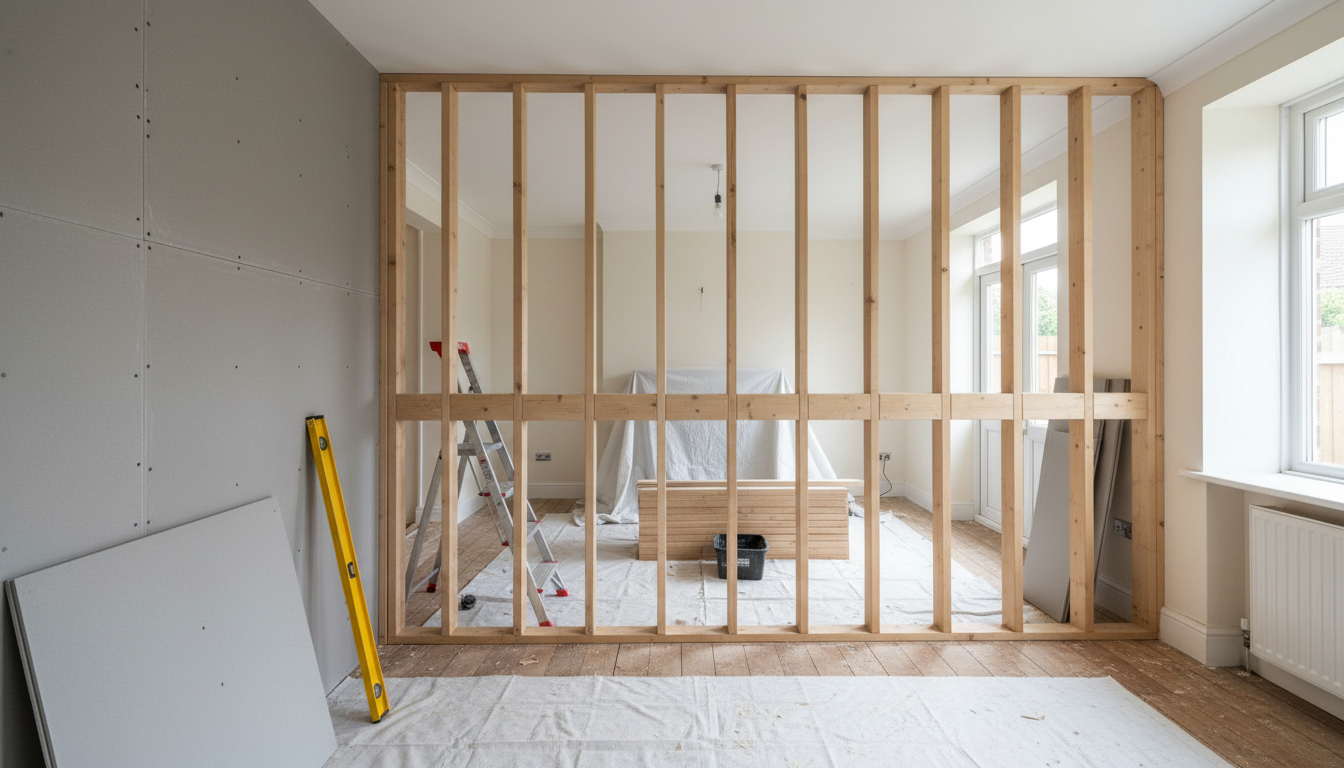
- Stud walls and partitions being added to divide a room
- Bathrooms and kitchens after a refit, where the right type of board matters
- Loft rooms and sloping ceilings
Choosing the right board
Not all plasterboard is the same. Standard boards suit most walls and ceilings, but some rooms need something more specific. Moisture-resistant boards, usually green, are used in bathrooms, en-suites and kitchens. Fire-resistant boards, usually pink, are used where building regulations call for extra fire protection, such as some garage ceilings and loft conversions. Sound-resistant boards, usually blue, help cut down noise between rooms. Boards also come in different thicknesses, and ceilings and walls are fixed differently, so we recommend the right board for each part of the job.
How plasterboard is fixed
To timber or metal studs and joists. Boards are screwed at regular centres into the framing, with joints staggered so they do not line up and crack.
To masonry walls. On brick or block walls, boards can be fixed with dabs of adhesive, known as dot and dab. It leaves a flat surface even over uneven brickwork.
Ceilings. Ceiling boards are screwed to the joists, with noggins added where joints need support, so the ceiling stays flat and does not crack along the joints.
Finishing the boards
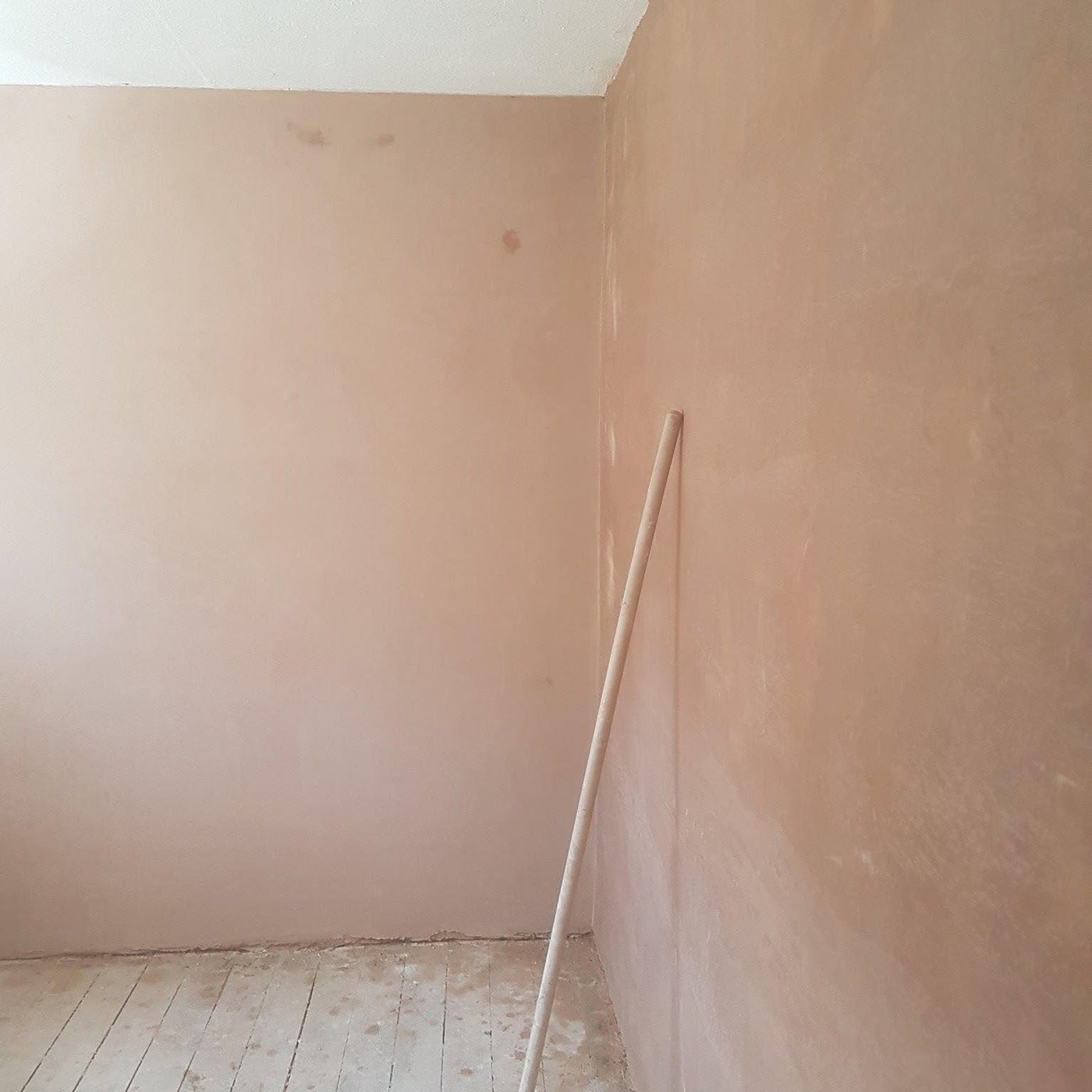
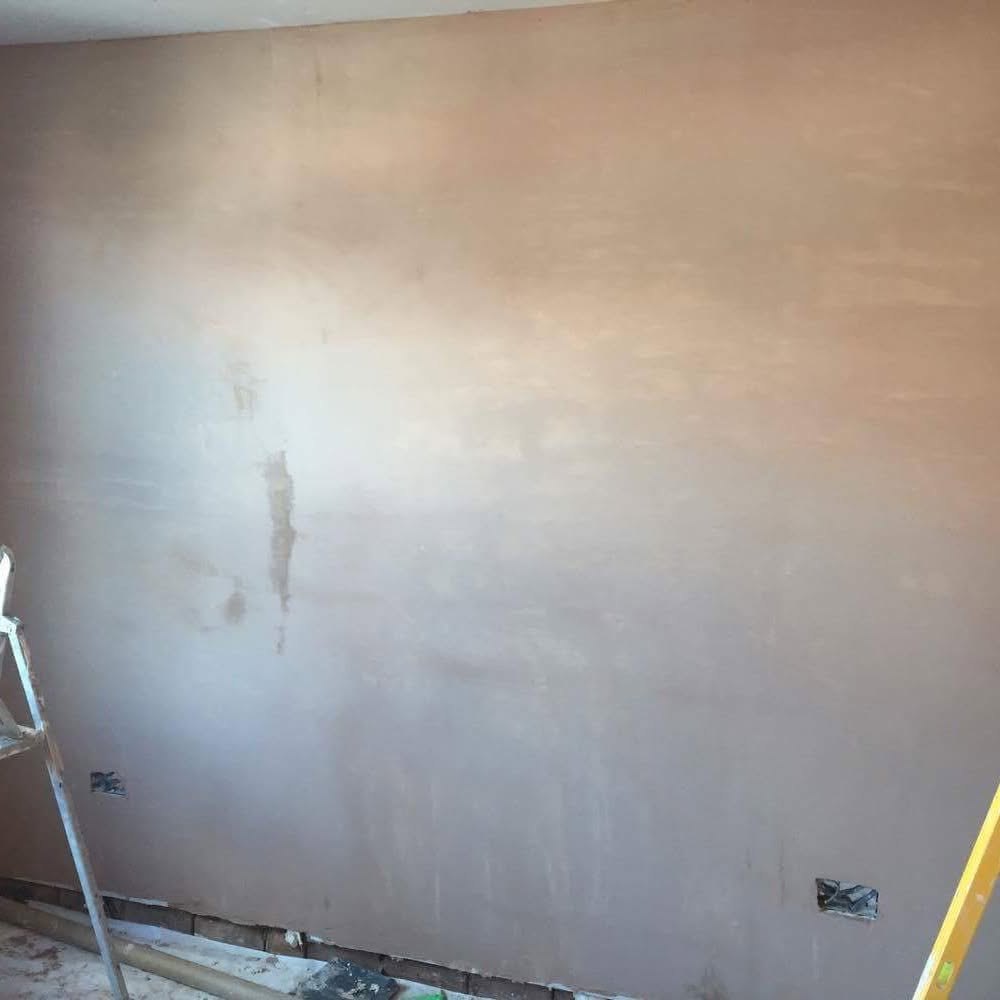
Once the boards are up, the joints are taped with scrim and the whole surface is skimmed with finishing plaster, giving one smooth surface with no visible joints. A skim gives a harder, more even surface than taping and jointing alone and hides the joints completely, which is why it is the usual choice in homes.
Replacing old ceilings
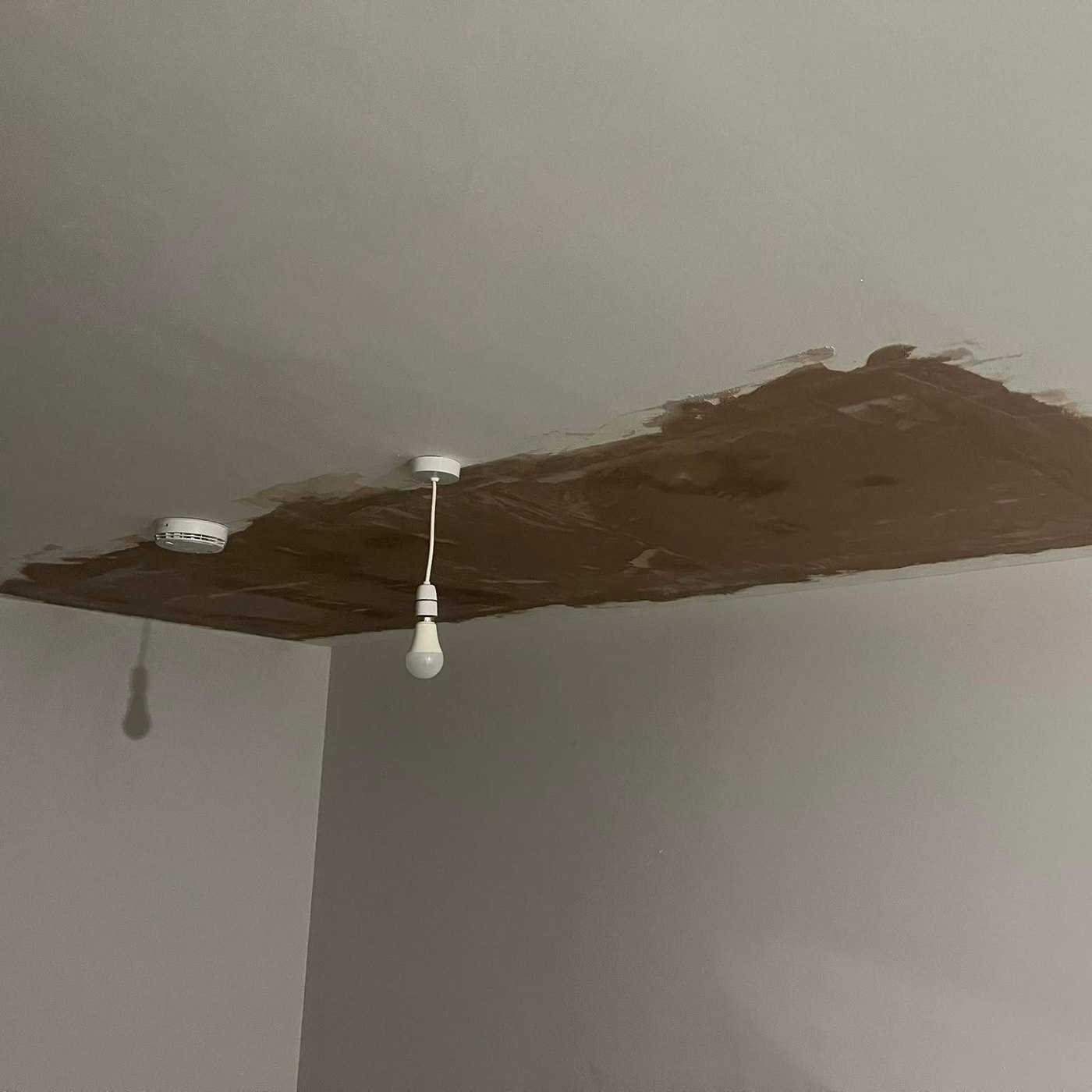
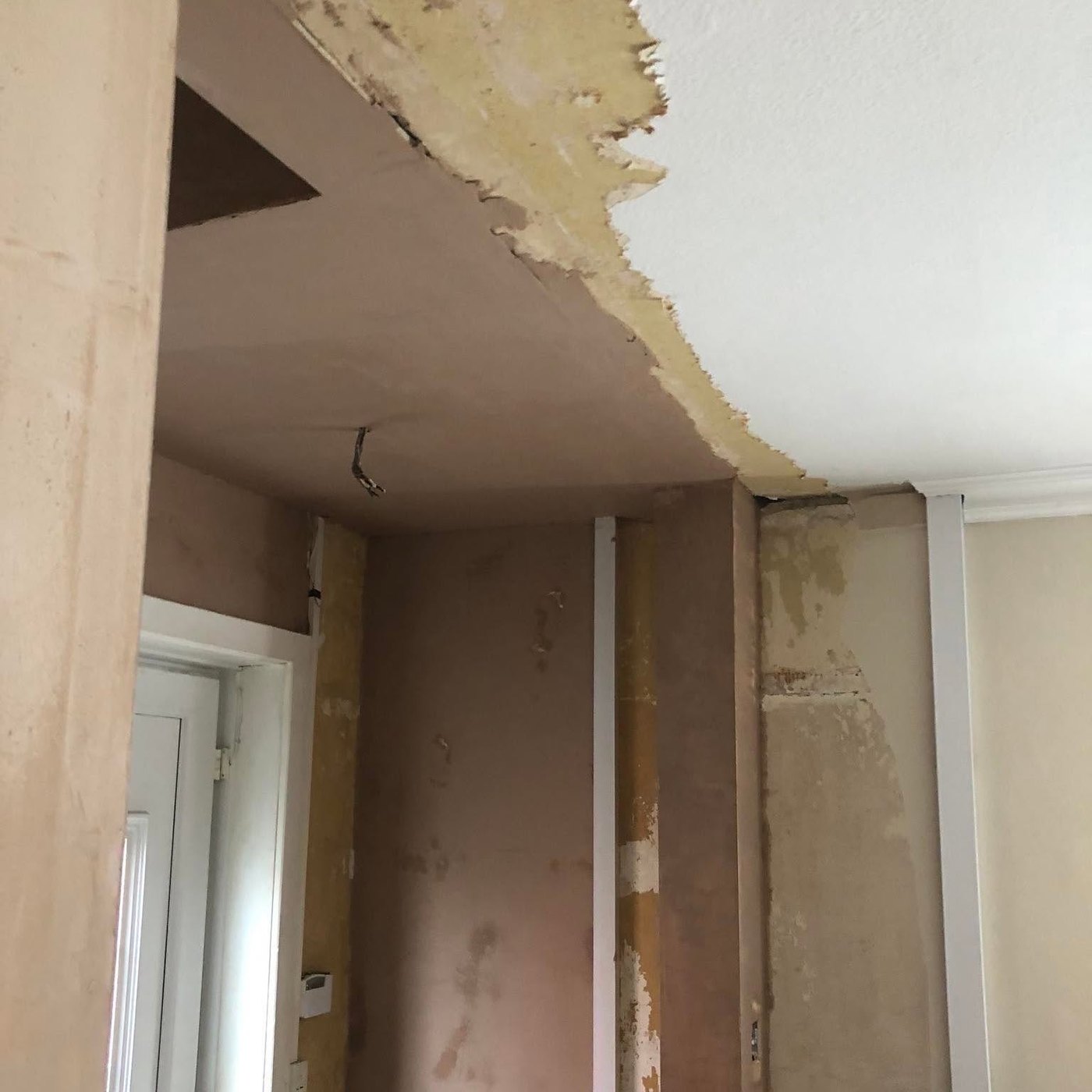
Many older homes still have lath and plaster ceilings. Over time the plaster can lose its grip on the laths, leading to cracks, bulges and eventually sections coming down. Overboarding with new plasterboard and skimming, or taking the old ceiling down and boarding to the joists, both give a sound new ceiling. Which is best depends on the condition of the ceiling and the joists, and we will talk you through it.
Call 07877 353120 or send photos through the enquiry form to arrange a quote for plasterboarding in Nottingham.