Panelling that starts with a good wall
Wall panelling adds depth and character to a room, whether it is a hallway, a bedroom feature wall, a dining room or a staircase. The secret to panelling that looks right is the wall behind it. Panel moulding is straight and square, so any bow, dip or bulge in the plaster shows up as gaps and wavy lines. Because Patch Me If You Can are plasterers, we can put the wall right before the panelling goes on, so the panels have a true surface to sit on.
We fit wall panelling across Nottingham and up to 30 miles around.
Panelling styles
- Shaker or box panelling. Rectangular frames made from flat strips, a popular look for feature walls and hallways
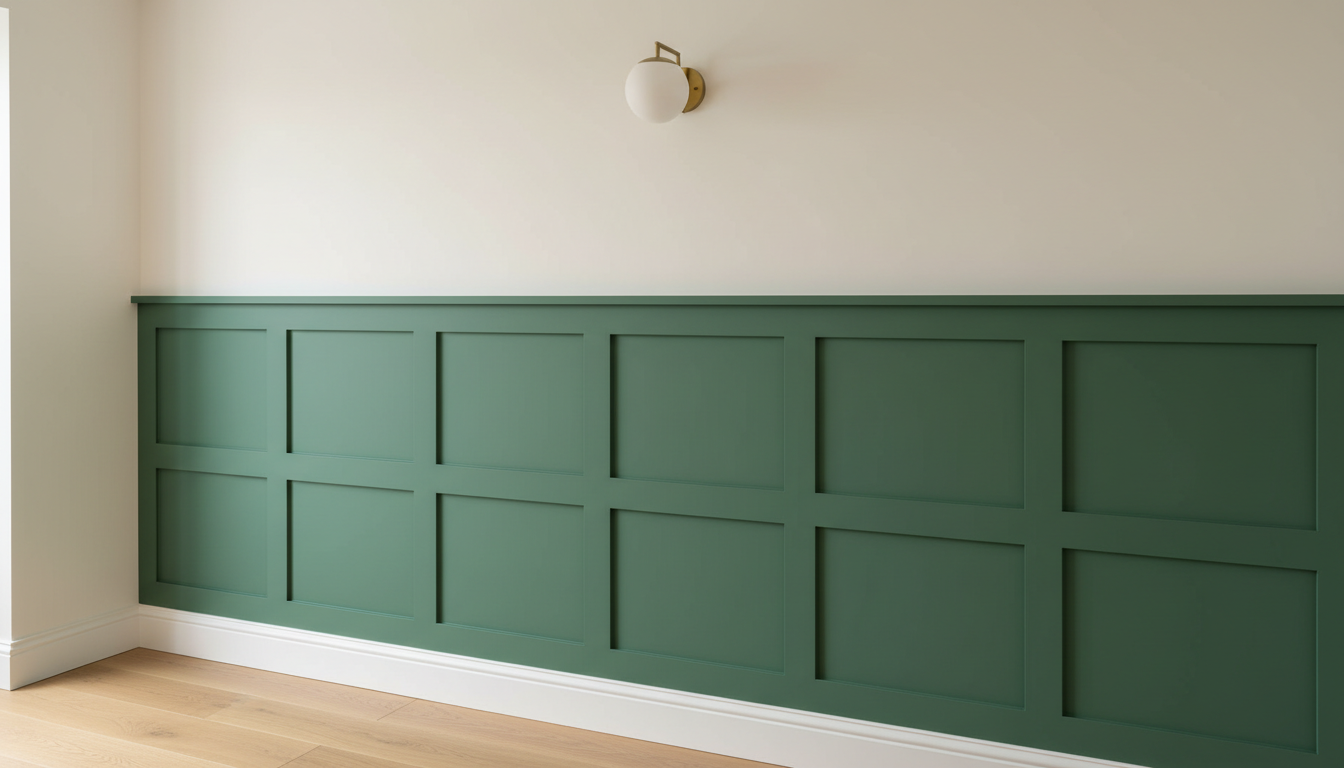
- Half-height panelling. Panelling to around a third or half of the wall height with a top rail, practical in hallways and on staircases where walls get knocked
- Full-height panelling. Floor-to-ceiling panels for a bold feature wall behind a bed or sofa
- Picture-frame or beading panelling. Decorative moulding fixed to the wall in frames, a classic look in period homes
- Board and batten. Vertical battens over a flat background for a simple, modern finish
- Staircase panelling. Panels that follow the angle of the stairs, which takes careful setting out
How wall panelling is fitted
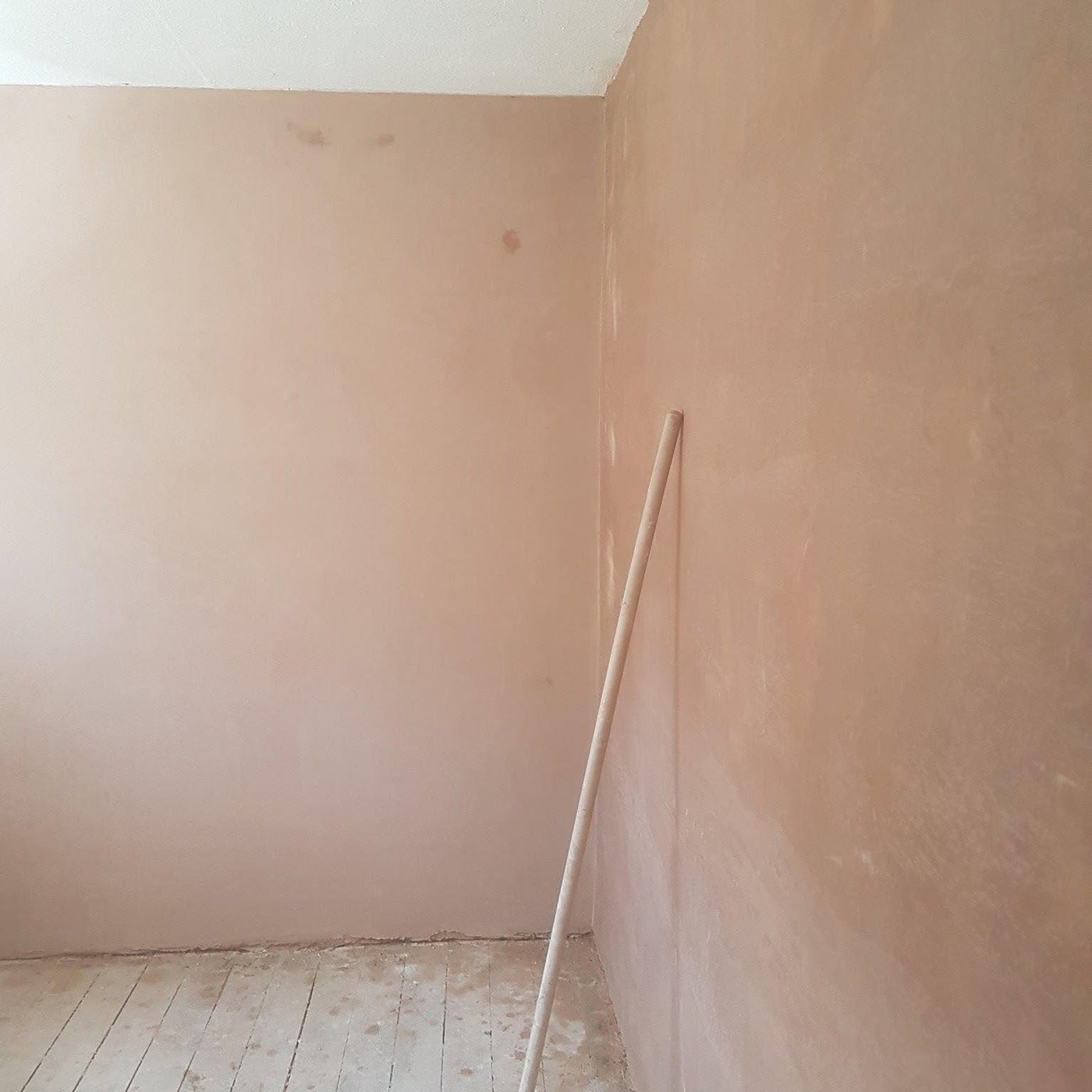
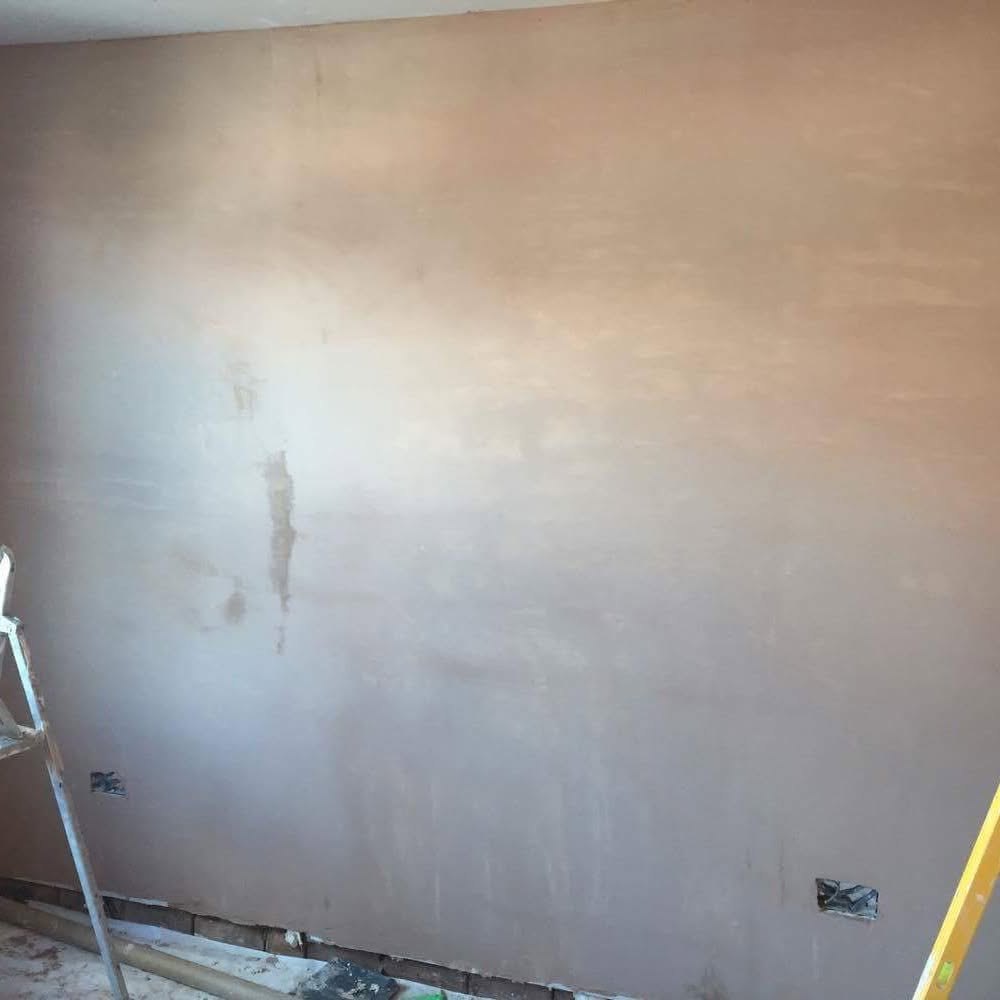
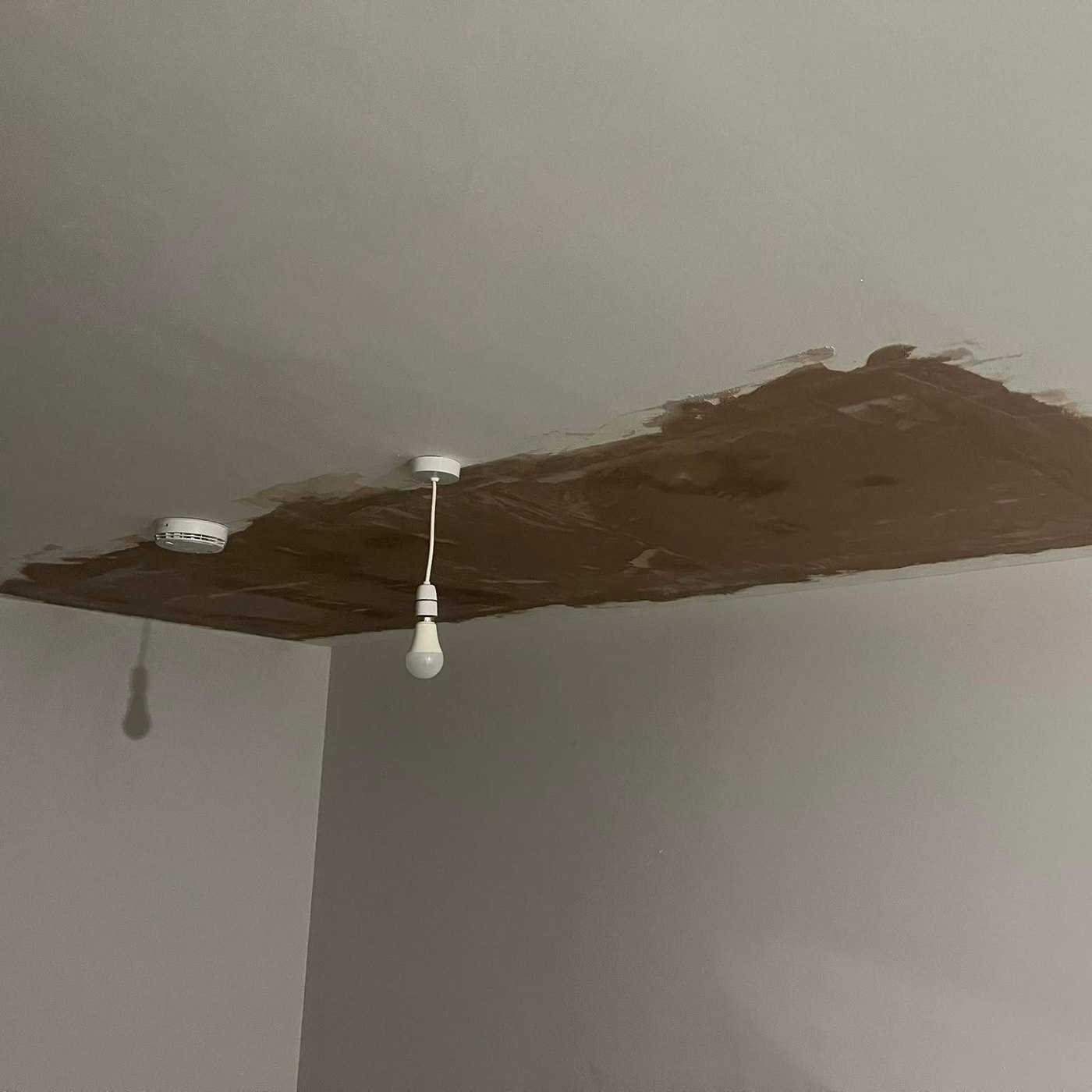
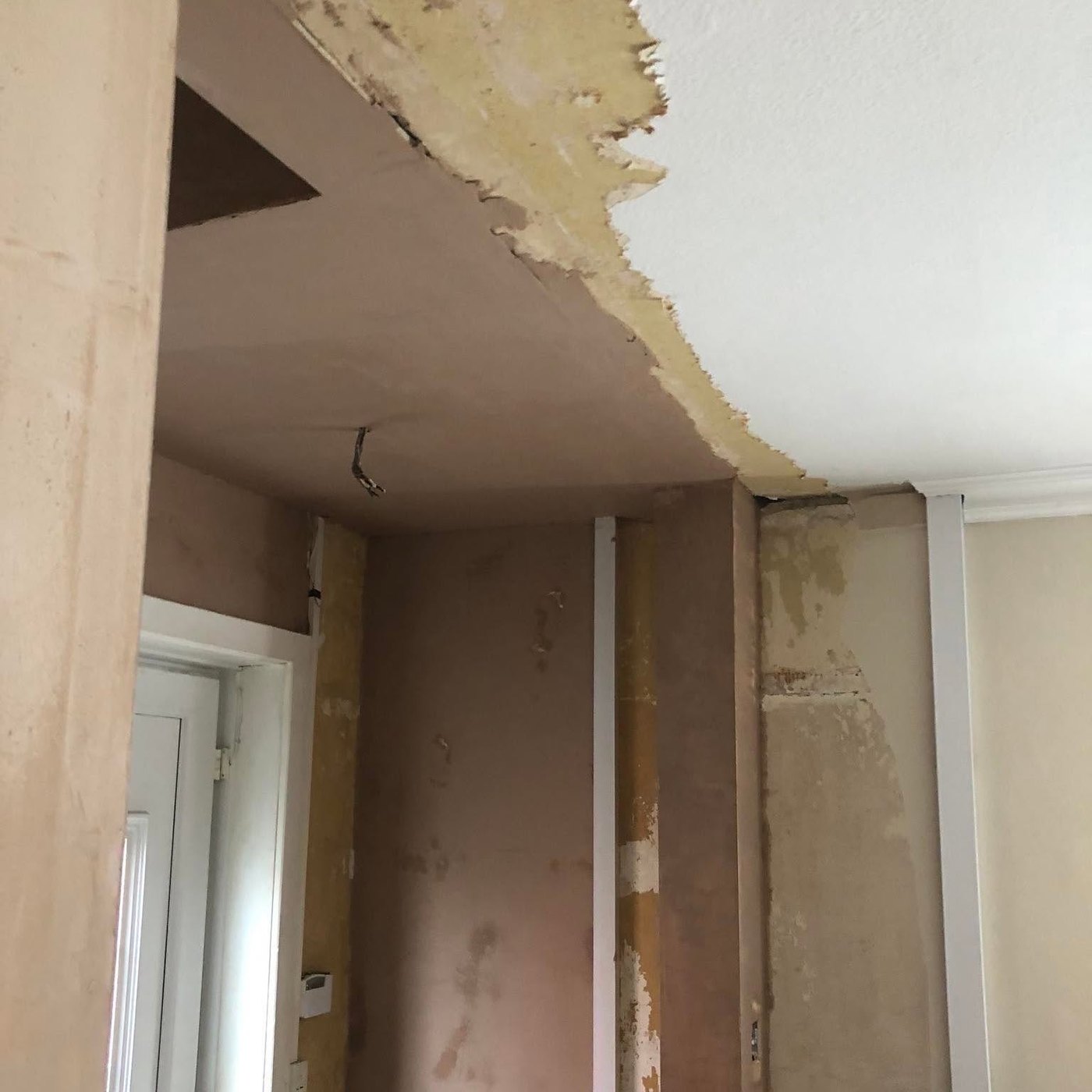
Checking and preparing the wall. We check the wall with a straight edge and deal with any problems first: patching damaged areas, fixing loose plaster, or skimming a wall that is too uneven for panelling to sit flat.
Setting out. The design is marked out on the wall so the panels are evenly spaced and balanced around sockets, switches, radiators, windows and doors.
Fixing. The panelling, usually MDF, is cut to size and fixed with adhesive and pins, with every strip checked for level.
Finishing. Joints and pin holes are filled and sanded, and every edge is caulked so there are no gaps where the panelling meets the wall, ceiling, skirting or other panels. The result is ready to be primed and painted.
Choosing a colour
Panelling usually looks its best painted in one colour over both the panels and the wall between them, so the shadow lines do the work. Deep greens, blues and warm greys are popular for feature walls, while lighter colours suit hallways and smaller rooms. Satin or eggshell finishes stand up to knocks and scuffs better than matt in a busy hallway.
Sockets, switches and radiators
Panelling often meets sockets, switches, light fittings and radiators. These can be worked around neatly or moved before the panelling goes on. Any electrical work, including moving sockets or switches, must be done by a qualified electrician, and it is easiest to plan it before the job starts.
Call 07877 353120 or send photos of the wall and the style you like through the enquiry form to arrange a quote for wall panelling in Nottingham.