
About five miles south-west of Mapperley, Beeston packs a lot of housing history into its streets, and Patch Me If You Can plasters across all of it.
From land-society streets to Meadow Farm
Some of Beeston's oldest planned streets were laid out by land societies: St John's Grove from 1878, and the Imperial Park and Bellevue Park estates from the late 1870s and 1881. St John's Grove and Cottage Grove are now conservation areas of mostly Victorian and Edwardian houses. South of the railway, Beeston Rylands mixes Victorian villas near the station, early 20th-century homes for Ericsson and Boots workers, the 1930s Cliftonside estate, post-war council houses and the timber-framed semis of Meadow Farm, built in 1970. Chilwell's Inham Nook estate dates from the 1950s, and Birkin Fields is newer housing on the old rugby club ground.
Owners and landlords
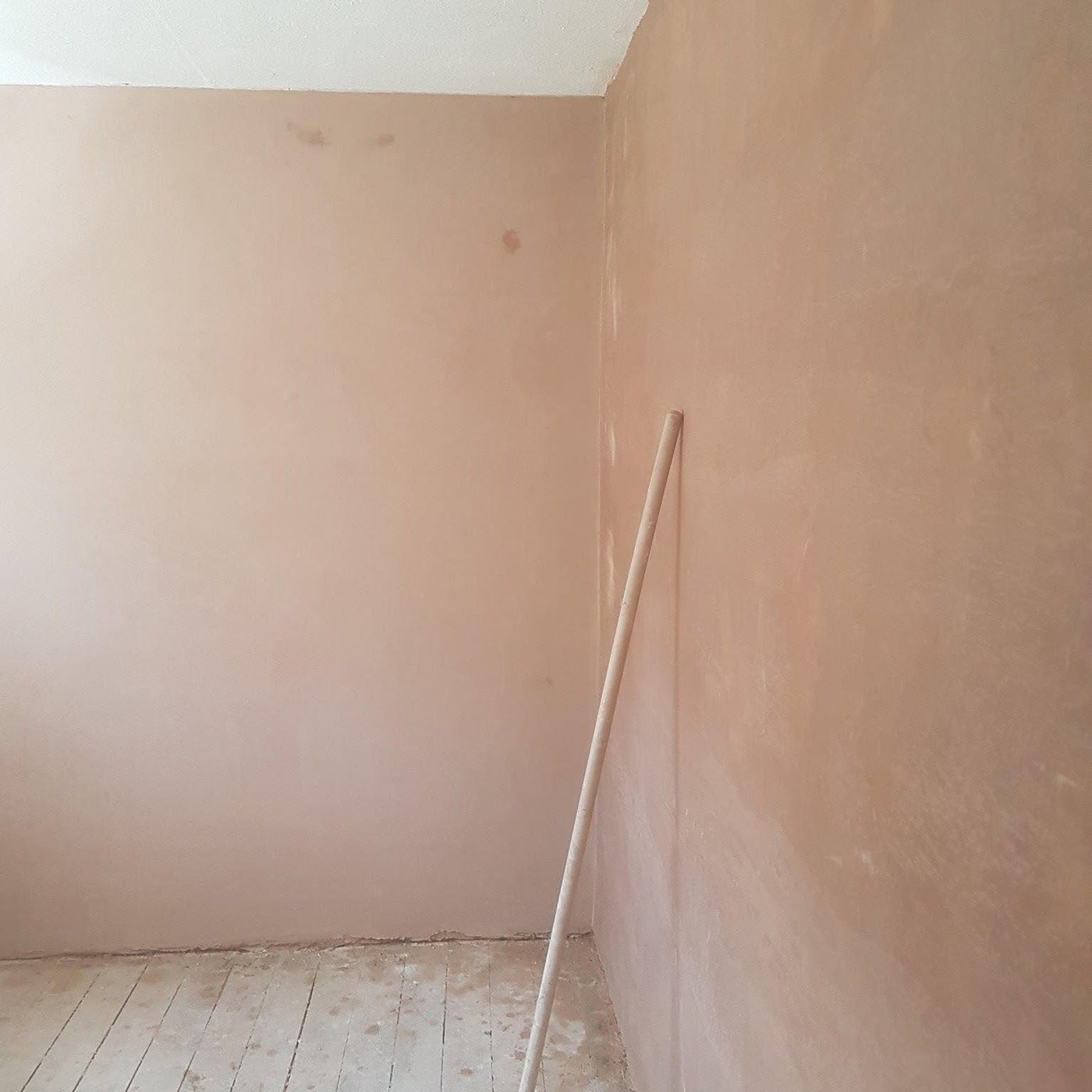
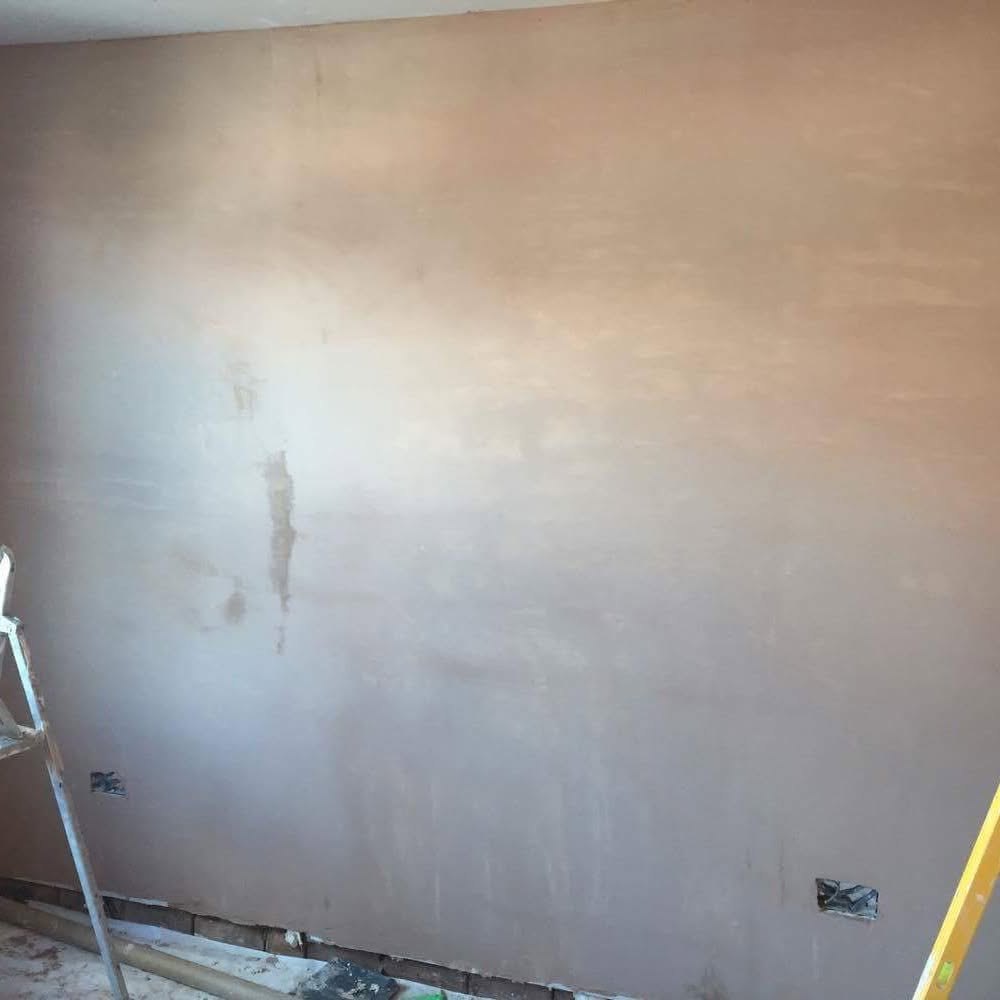
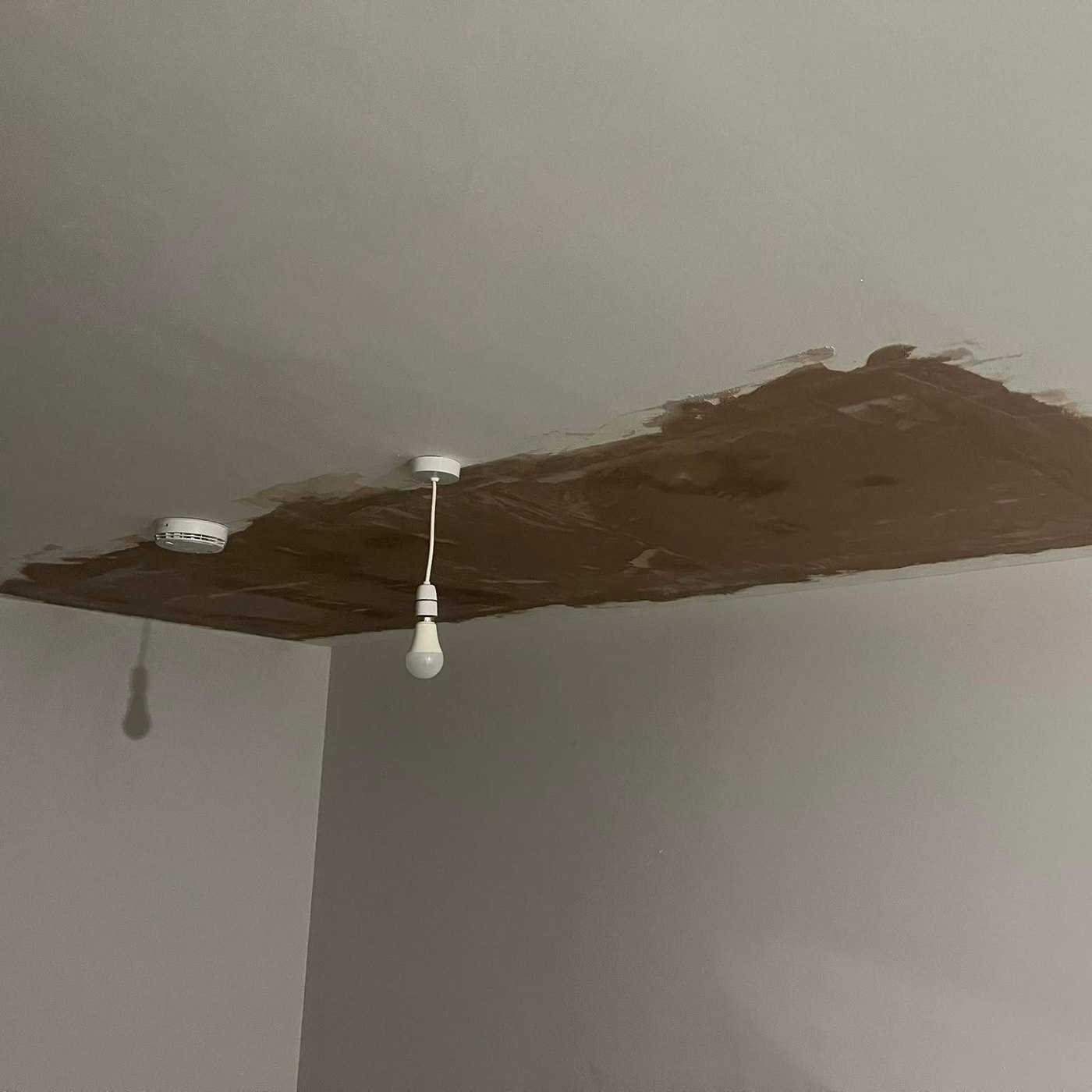
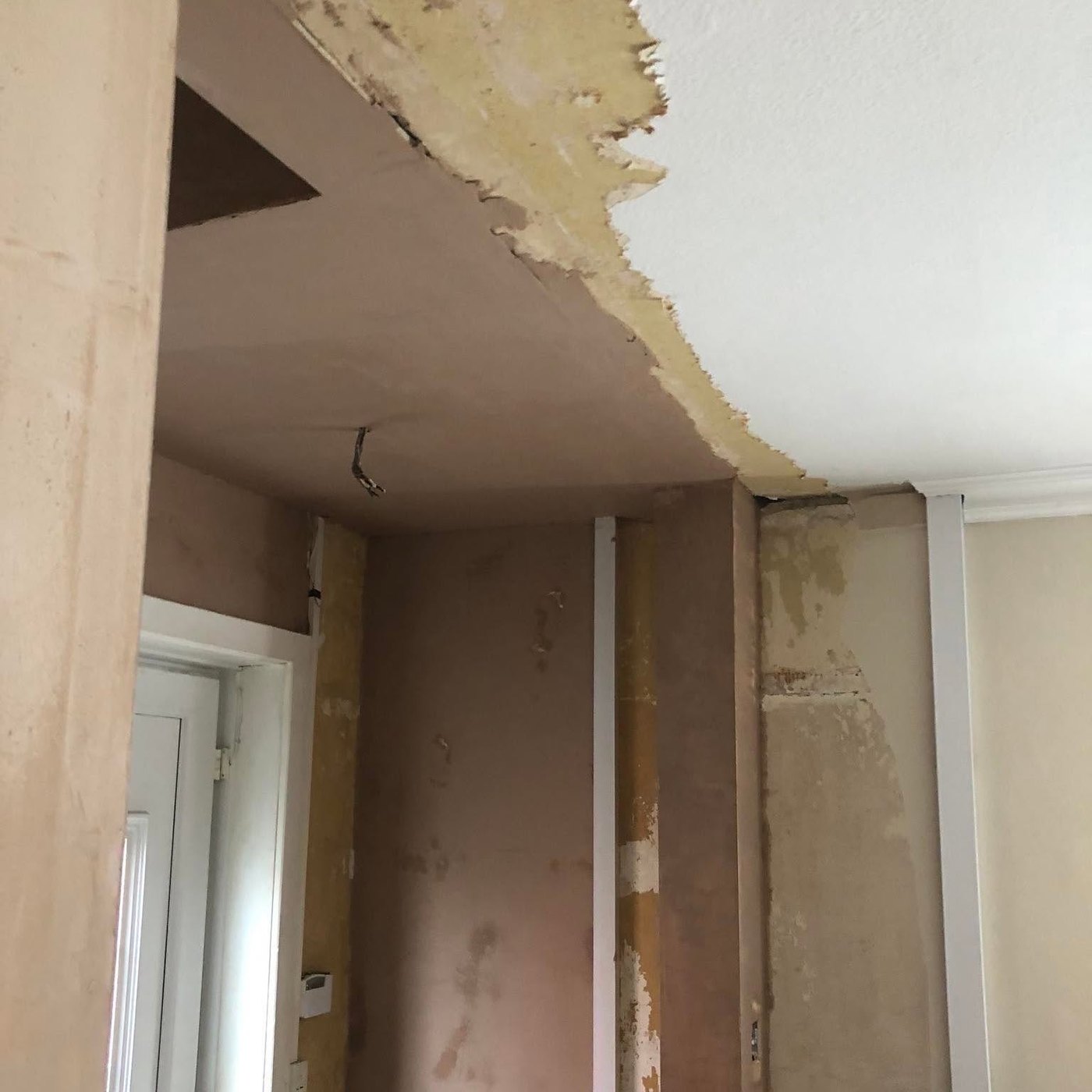
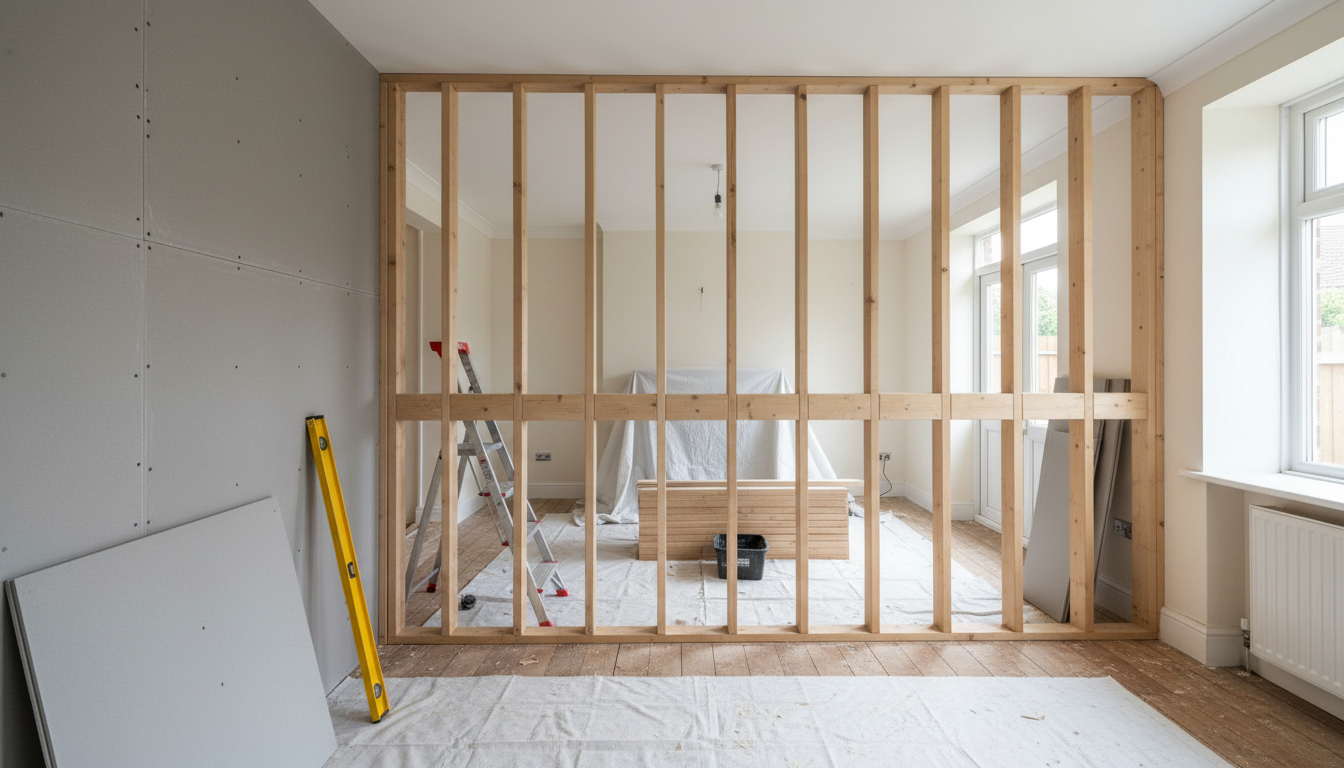
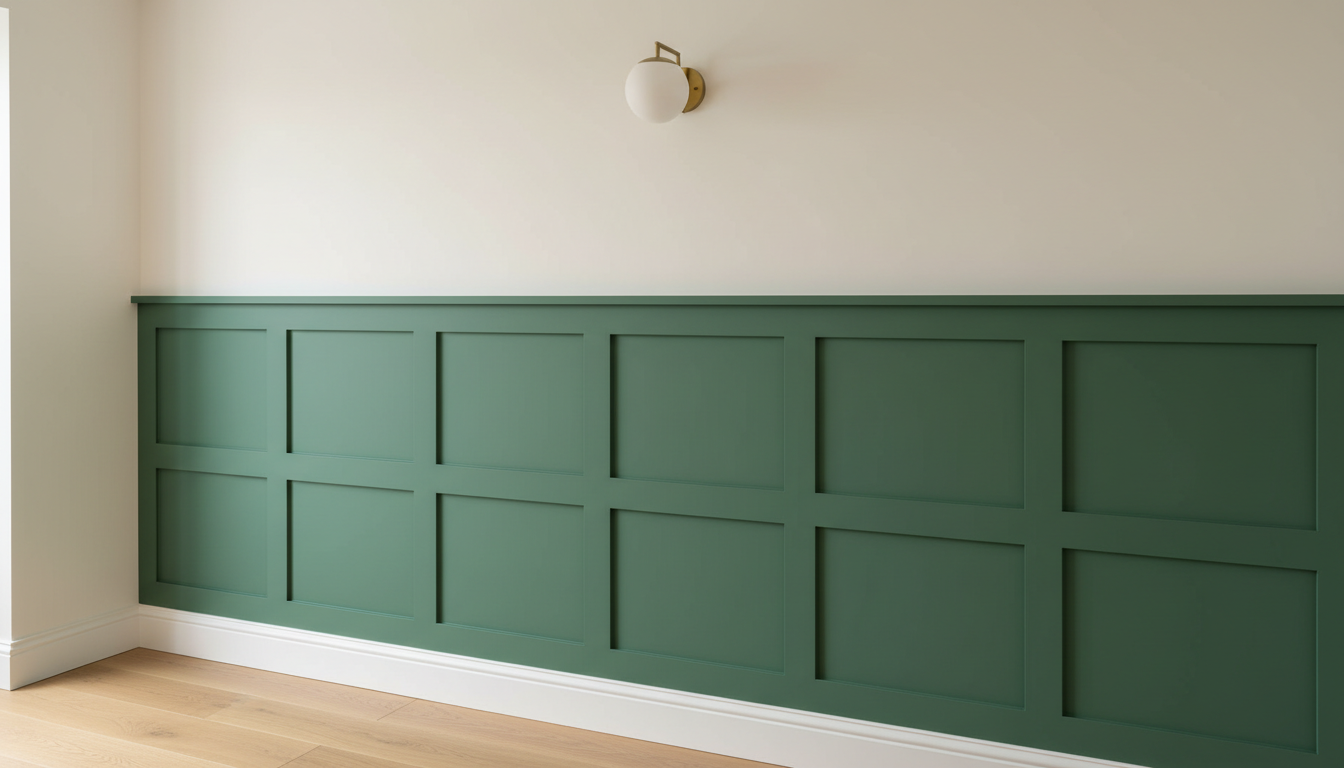
In older houses, plaster that has cracked or blown away from the brick is cut out, patched and skimmed so the repair disappears. Timber-framed homes such as those at Meadow Farm are lined with plasterboard, so a damaged wall there is usually re-boarded and finished rather than patched with wet plaster. With the University of Nottingham's main campus close by, student lets are part of the picture too: since March 2022, turning a house into an HMO in parts of Beeston and Beeston Rylands has needed planning permission. For landlords with existing lets, re-skimming rooms, tidy patch repairs and plasterboarding between tenancies keep a property in good order. Stud walls, media walls and wall panelling complete the indoor plastering on offer.
Call 07877 353120 to arrange a visit. Open 7 days, 7am to 5pm.