Rented homes and repairs between tenants
Beeston sits about five miles south-west of Mapperley, with the University of Nottingham's main campus to the north-east. Since March 2022, an Article 4 Direction has meant that turning a house into a shared home for three to six people in parts of Beeston and Beeston Rylands needs planning permission.
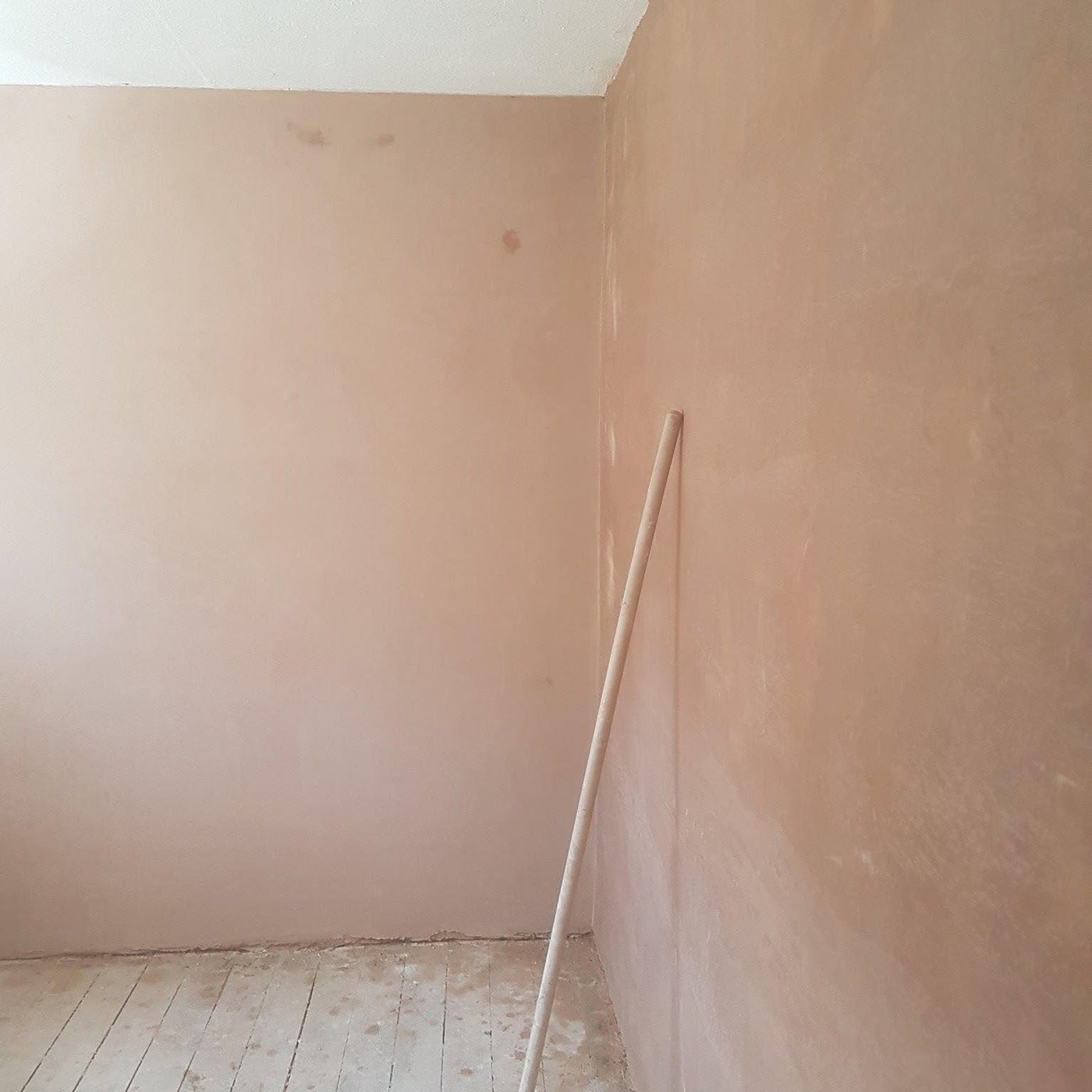
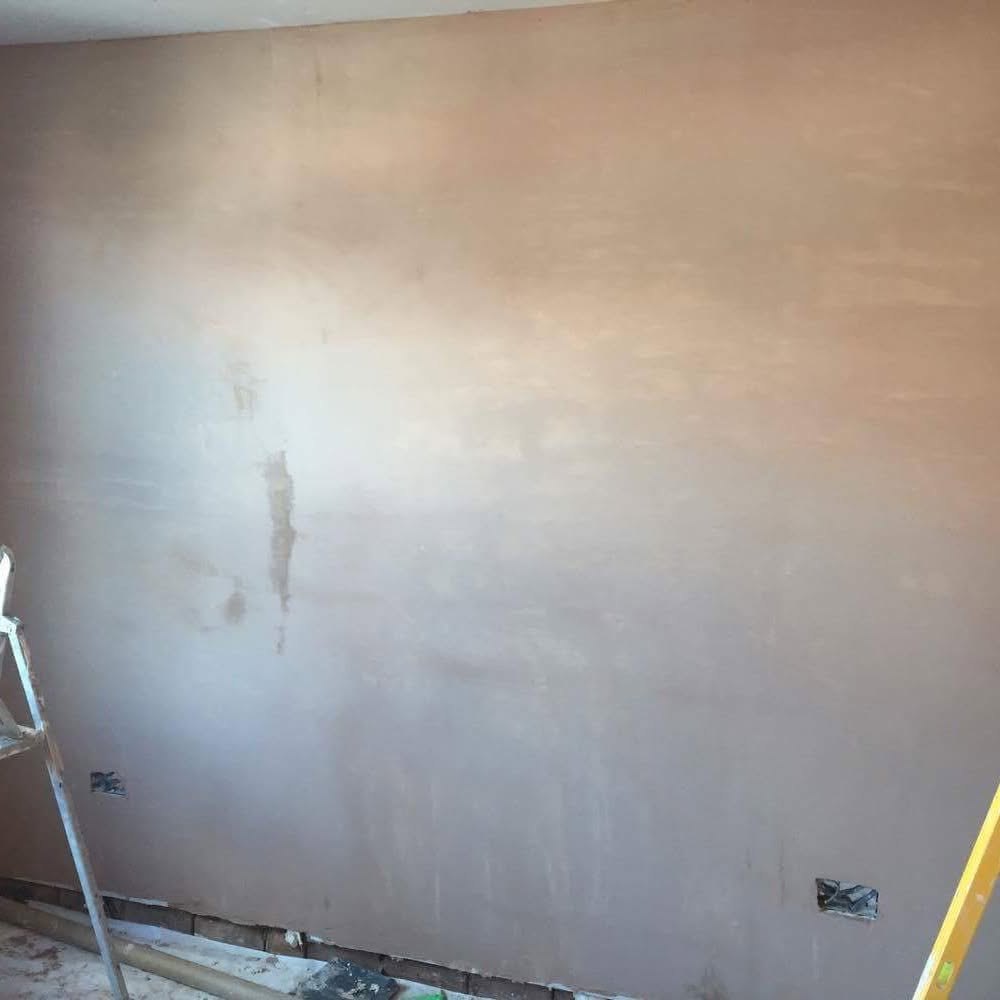
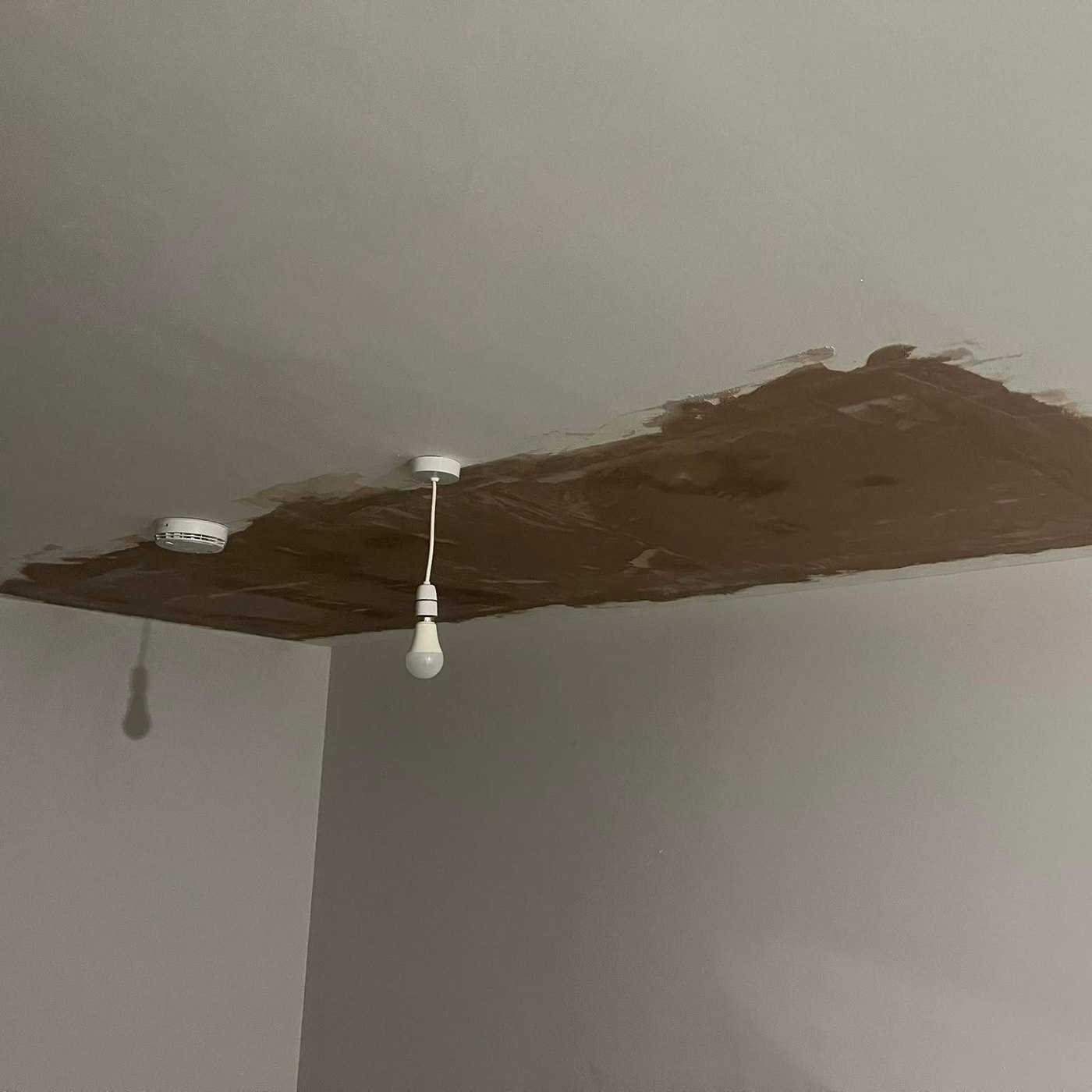
If you let a house in the area, the gap between one tenancy and the next is the time to put the walls right. Typical damage includes holes from picture hooks and shelves, gouges along hallway walls, door handles pushed into plaster, and patches torn away where posters or sticky pads came off. A plasterer can work through the lot in one visit where the list allows, so the decorator can follow on and the house is ready to show.
Victorian and Edwardian conservation areas
St John's Grove, laid out after the Beeston Land Society bought the land in 1878, and Cottage Grove, on Park Road and Grove Avenue, are both conservation areas made up mostly of late Victorian and Edwardian houses. Expect solid brick walls with older lime plaster and, often, lath and plaster ceilings. Patching these walls means removing loose plaster right back to where it is firmly stuck, then building up the repair in layers so it dries evenly and does not shrink away from the old edges.
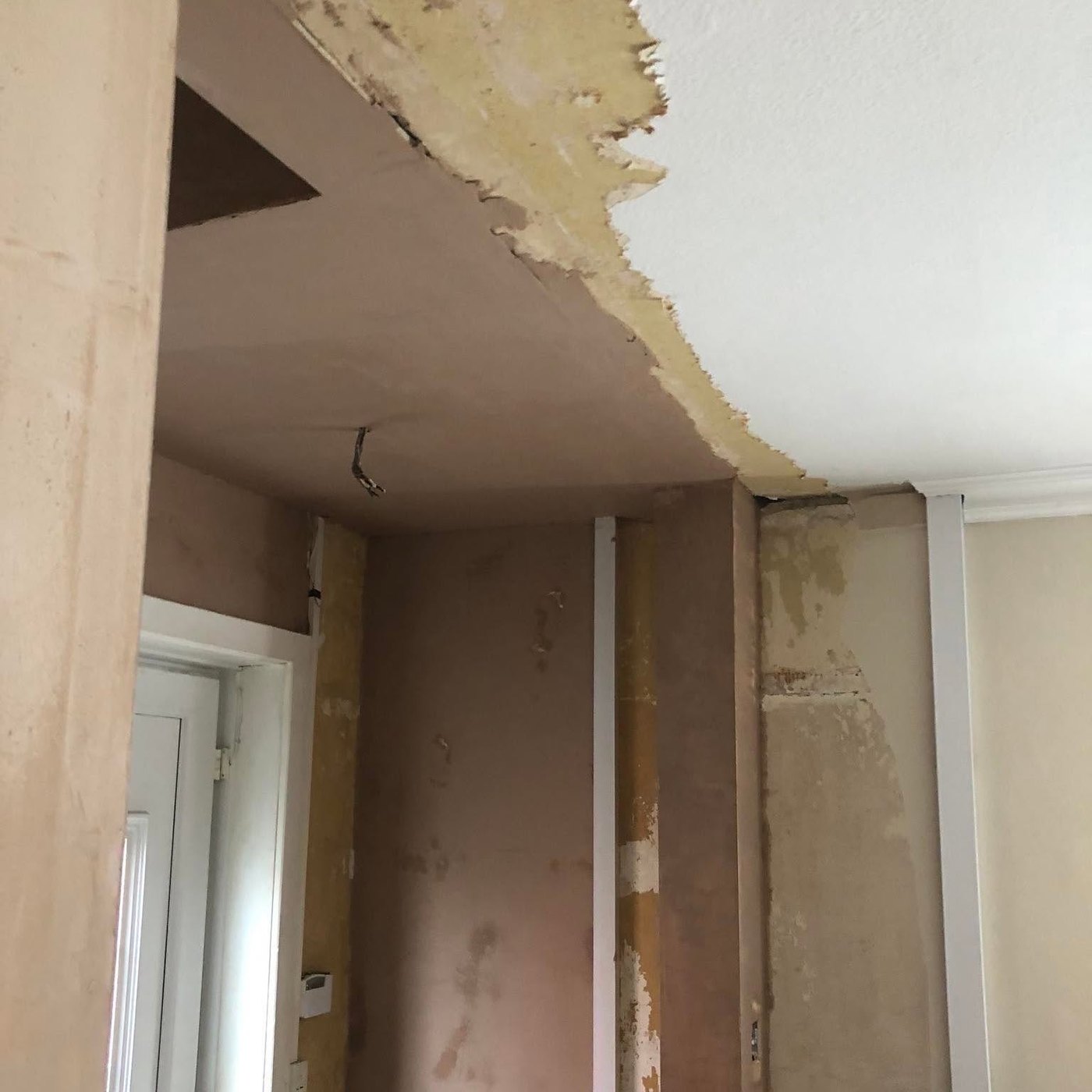
Lath ceilings in houses of this age often carry a fine crazing of cracks. On its own that is cosmetic, but if a section feels soft or has dropped, it is cut out, replaced with board and plastered rather than simply filled.
Beeston Rylands and Chilwell
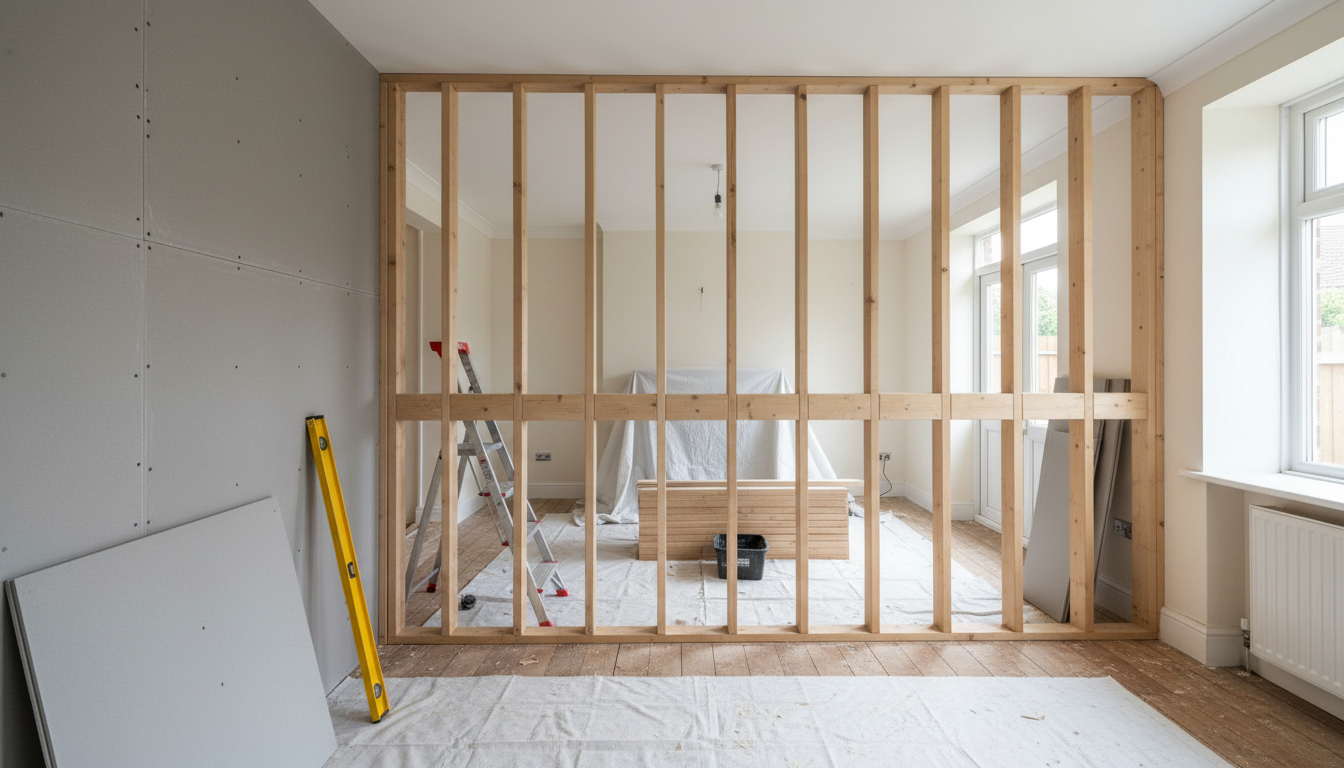
South of the railway, Beeston Rylands has Victorian villas near the station, early 20th-century houses built for Ericsson and Boots workers, and Cliftonside, 900 houses built between 1934 and 1939. Meadow Farm, from 1970, is made up of timber-framed semis. In a timber-framed house the inside walls are plasterboard on studs, so a hole goes straight through to a void. The fix is a new piece of board screwed to the frame, then plastered, rather than filler pushed into a gap.
Over in Chilwell, the Inham Nook council estate dates from the 1950s. Homes of that period usually have harder gypsum plaster and plasterboard ceilings, and the repairs are the familiar ones: chases from rewiring, dented stair walls and ceiling patches under bathrooms.
Next steps
Send photos of each damaged area through the enquiry form, or ring 07877 353120. For rental properties, a room-by-room list of repairs helps plan the visit. Patch Me If You Can works every day, 7am to 5pm.