The Buildings and The Squares
Around Princes Street, Victoria Street, Albert Street, Scargill Street and Wellington Street, the mine owners Barber and Walker built about 300 terraced cottages, laid out in a grid around shared yards known as The Squares. They are among the earliest company housing in the country, were saved from demolition by a council scheme, and now form one of the three zones of Eastwood's conservation area, designated in 1977. D. H. Lawrence was born at 8a Victoria Street in 1885, in what is now the Birthplace Museum.
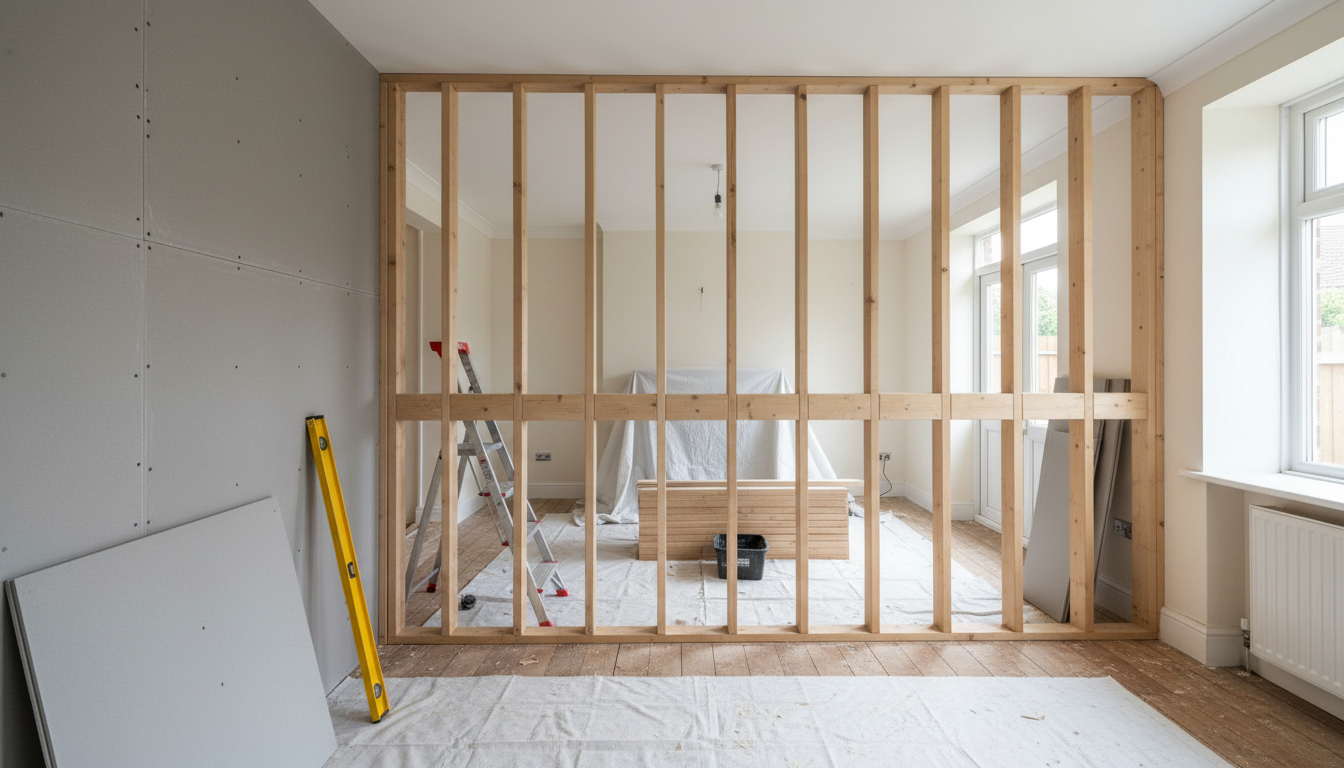
Houses of this age and size bring their own kind of patch work. Rooms are small, walls are solid, and most cottages have been altered many times over: doorways filled in, walls knocked through, staircases moved, kitchens added at the back. Every change leaves a join in the plaster where old meets new, and those joins are where cracks tend to keep reopening.
Patching small rooms in old houses
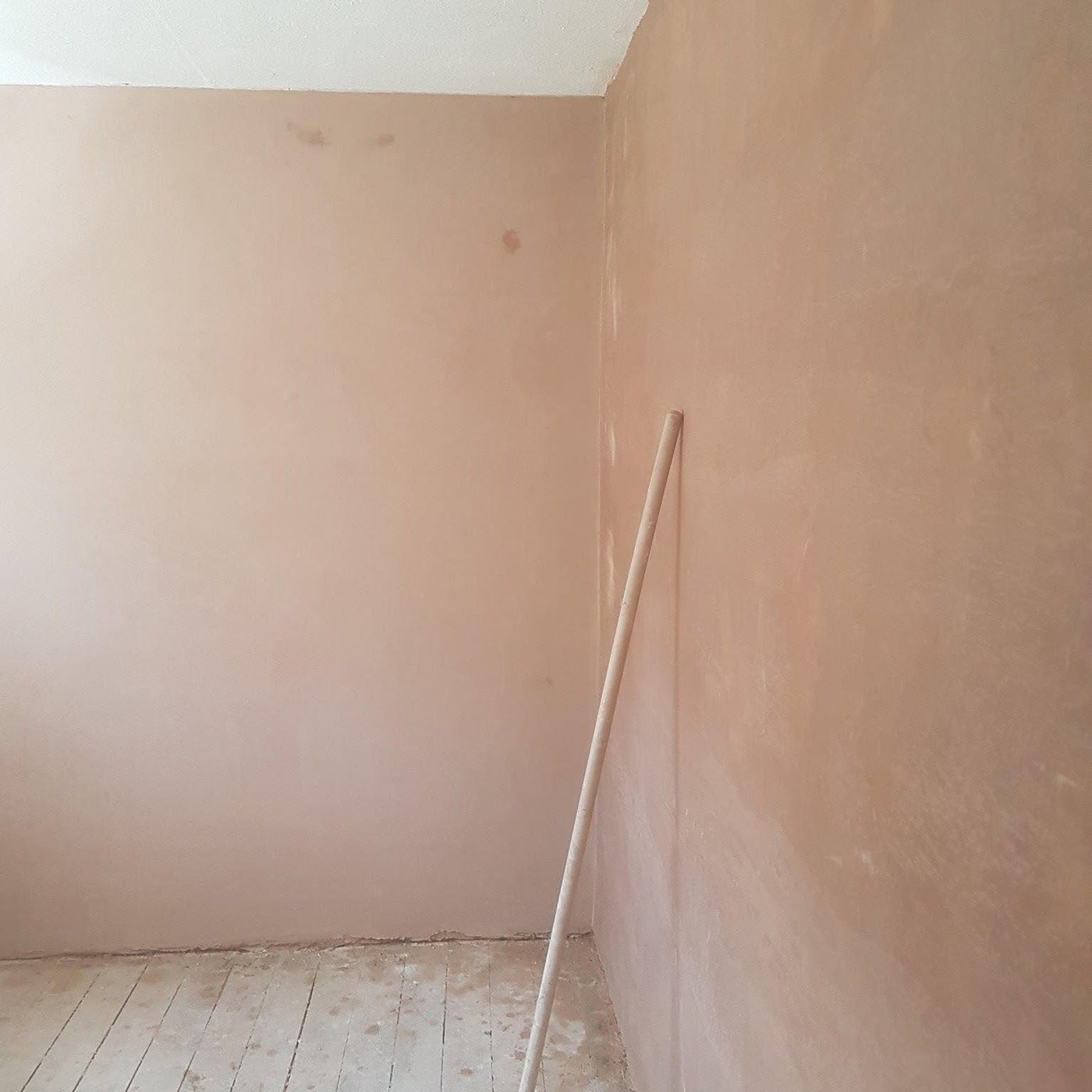
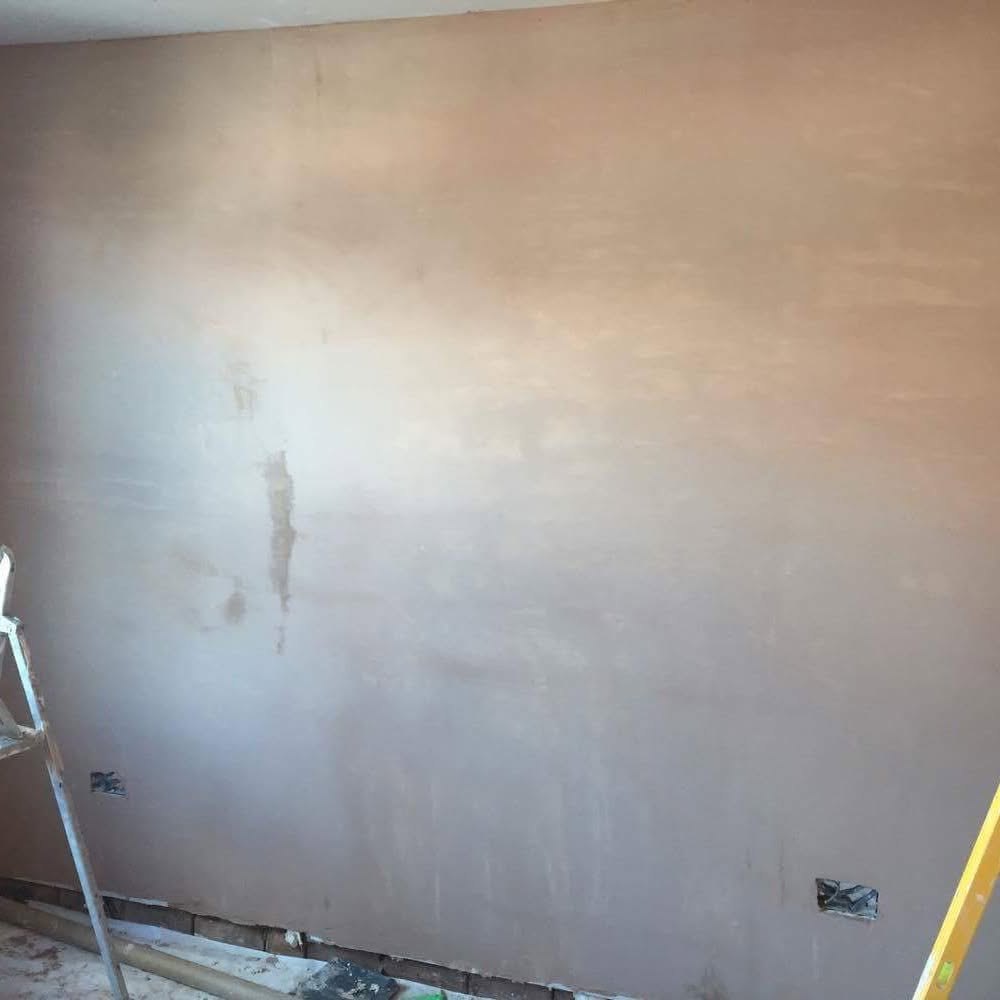
In a small room every repair is close to eye level and catches the light from the window, so a patch has to sit right. Old walls are rarely dead straight, though. The aim is a repair that follows the natural line of the wall around it, instead of a perfectly flat square that shows up as a shadow when the sun comes round.
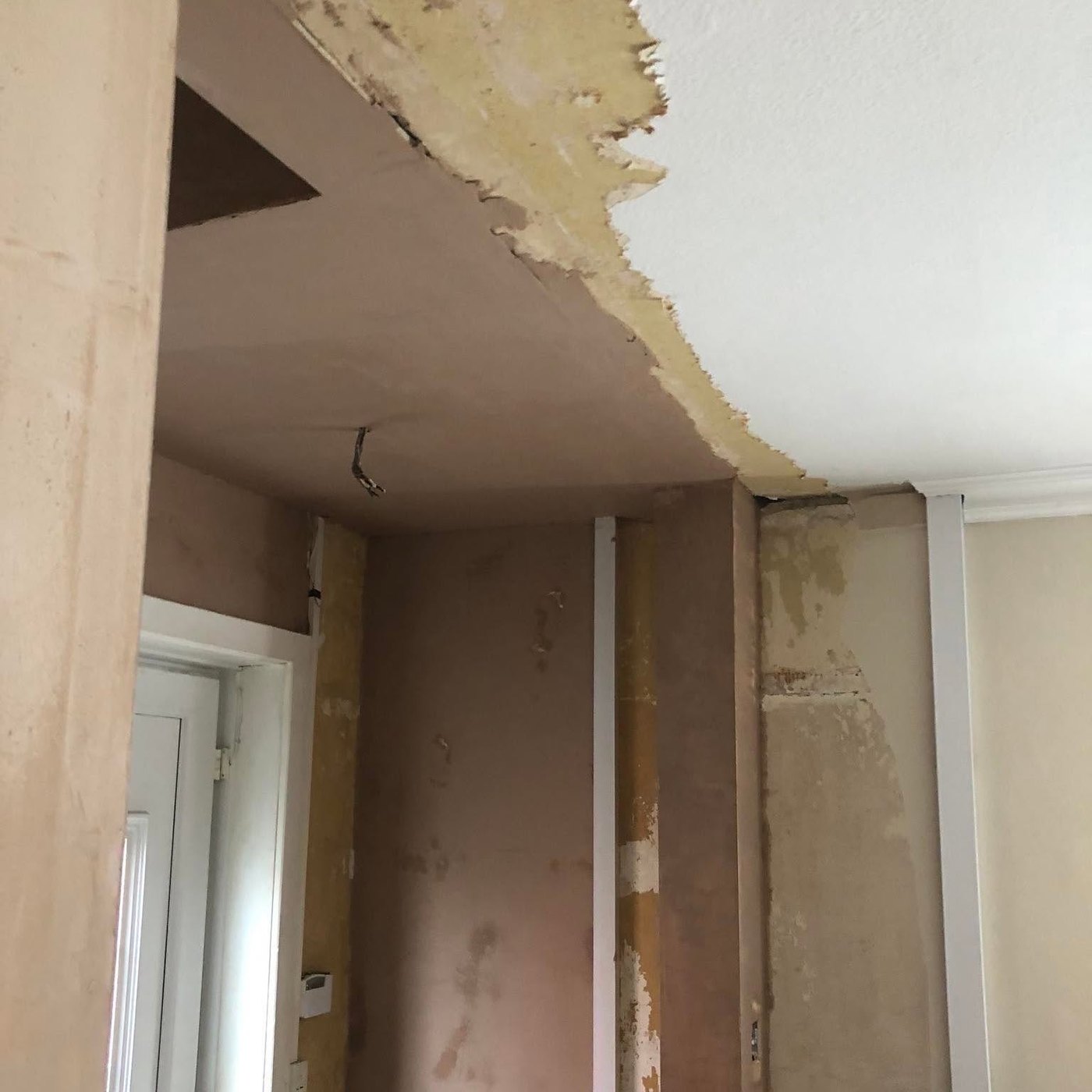
At a join between old and new work, filler alone will not hold. The crack is opened up, bridged with scrim or mesh tape and plastered over so the two materials are tied together. Plaster that has blown away from the brick is cut back to firm material first. Where a wall is damp low down, the cause, such as a blocked gutter or ground built up outside, should be put right before any patching, or the new plaster will soon stain.
Larger houses on Church Street
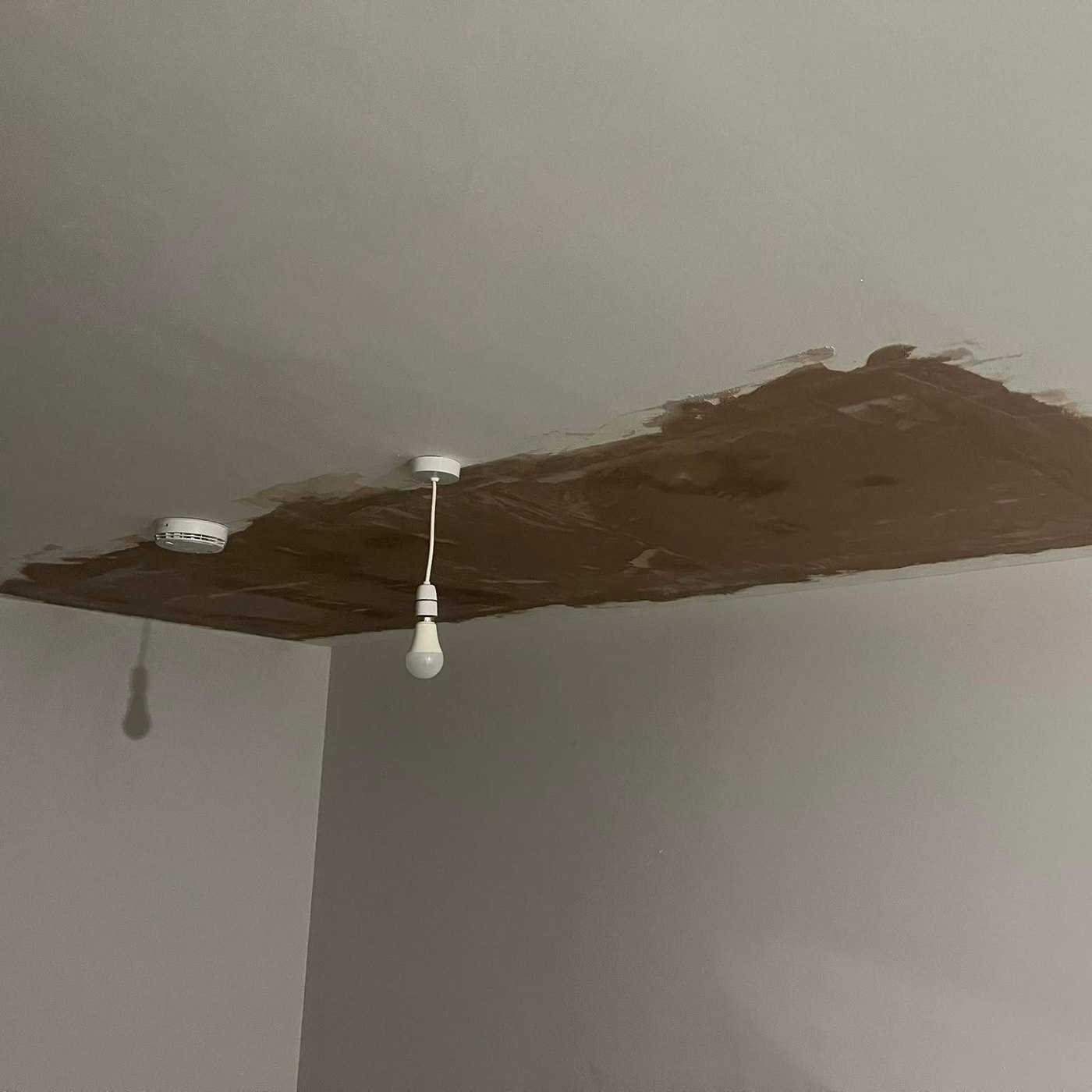
The conservation area also takes in Church Street, with detached houses in their own grounds behind walls and trees, and Nottingham Road, with its Victorian red brick shops of two and three storeys. Larger period houses often have taller rooms, older ceilings and more original features. A ceiling patch there might mean working along a cornice or around a ceiling rose without damaging either.
Eastwood has ten listed buildings, all Grade II. If your home is one of them, ask Broxtowe Borough Council about consent before any original plaster is removed.
Booking
Send a photo of each repair through the enquiry form, or call 07877 353120. Patch Me If You Can covers Eastwood and everywhere within 30 miles of Nottingham, seven days a week, 7am to 5pm.