Built from Bulwell stone
Bulwell sandstone and magnesian limestone were quarried here, and Wikipedia records that many houses, schools, churches and garden walls of Bulwell sandstone still stand for miles around the town. If your home has stone walls, its plaster needs a little more thought than in a brick house.
Solid stone walls tend to hold moisture and let it move through slowly. Old plaster on stone was usually lime-based, which copes with that. Problems start when a damp patch is covered with a dense modern plaster or a sealing paint: moisture gets trapped behind it, and the plaster around the repair starts to blow and crumble. So before patching a stone wall, it is worth finding out why the plaster failed. A leaking gutter or failed pointing outside needs fixing first, and the repair material should suit the wall.
Estates from the past century
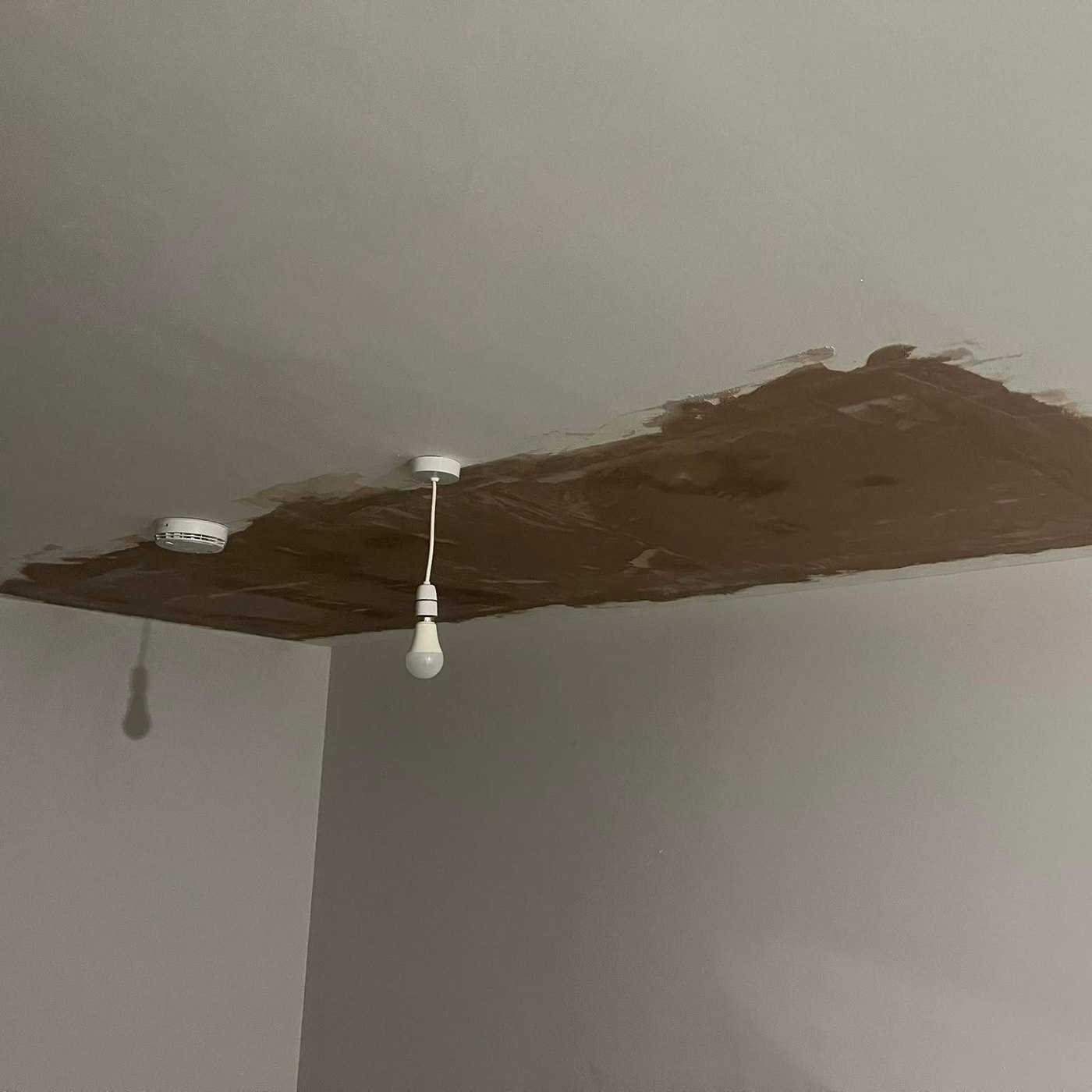
Bulwell also grew a lot in the 20th century, adding Crabtree Farm, Snape Wood, Highbury Vale, Hempshill Vale and the Bulwell Hall estate. Top Valley was built in the 1970s on three former farms. Homes from that period generally have plasterboard ceilings and gypsum plaster on blockwork or brick. Typical repairs are chases cut during a rewire, ceiling patches where the bathroom above has leaked, holes left by old heaters or pipework, and worn plaster on stairs and landings.
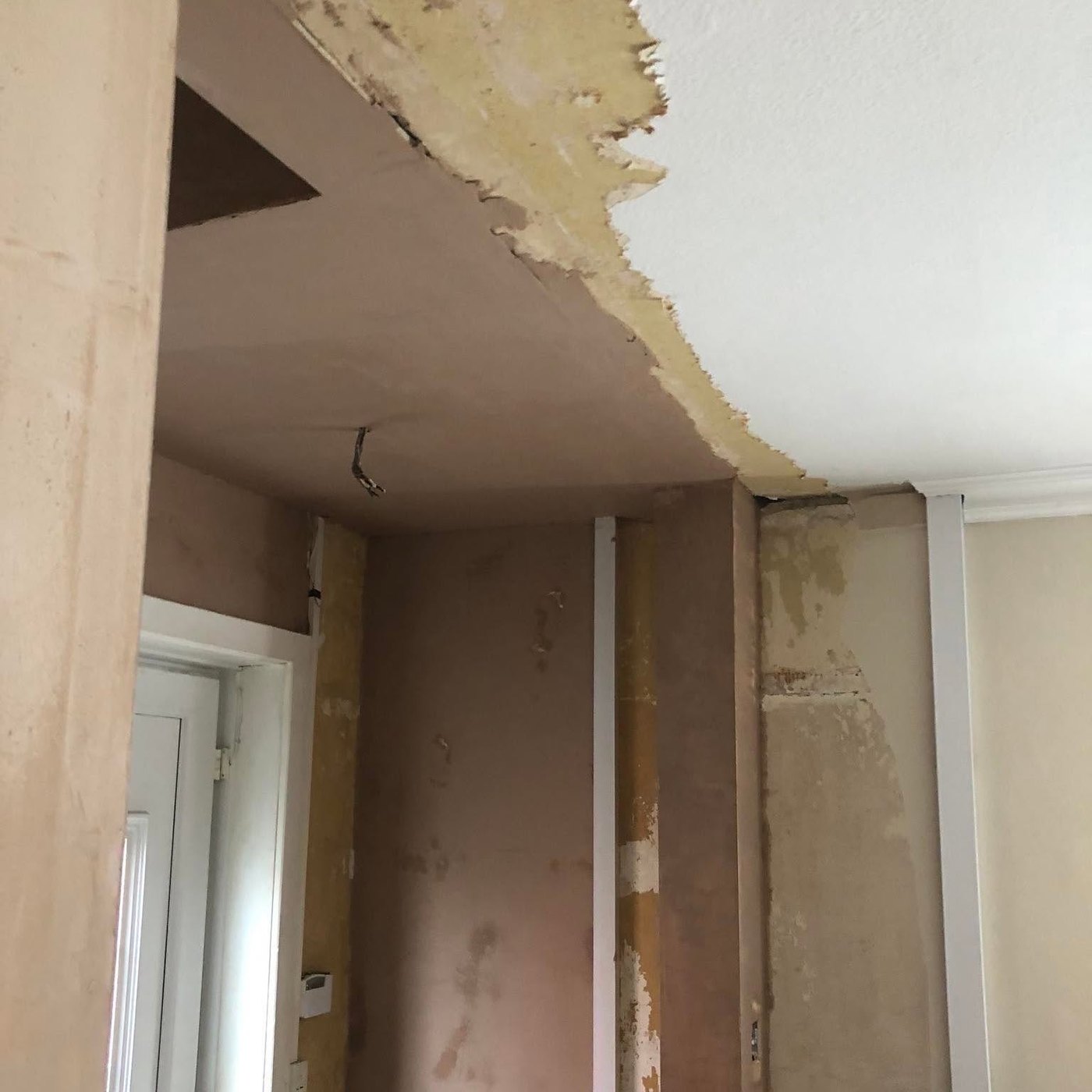
On a ceiling of that age, a leak repair usually means cutting out the stained, softened board between the joists, fitting a new piece and taping the joins before plastering. Fixing the leak and letting everything dry out comes first.
How the patch goes on
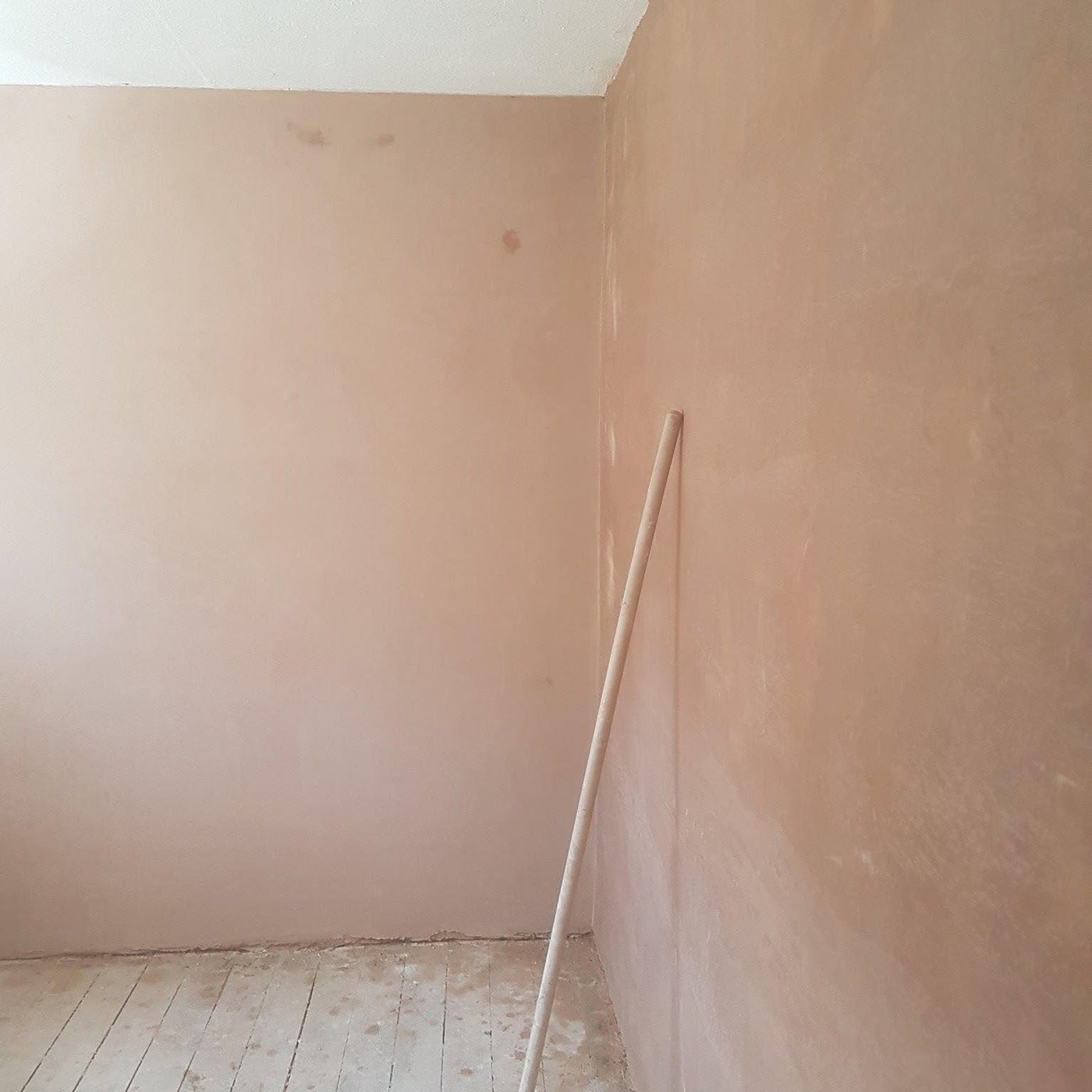
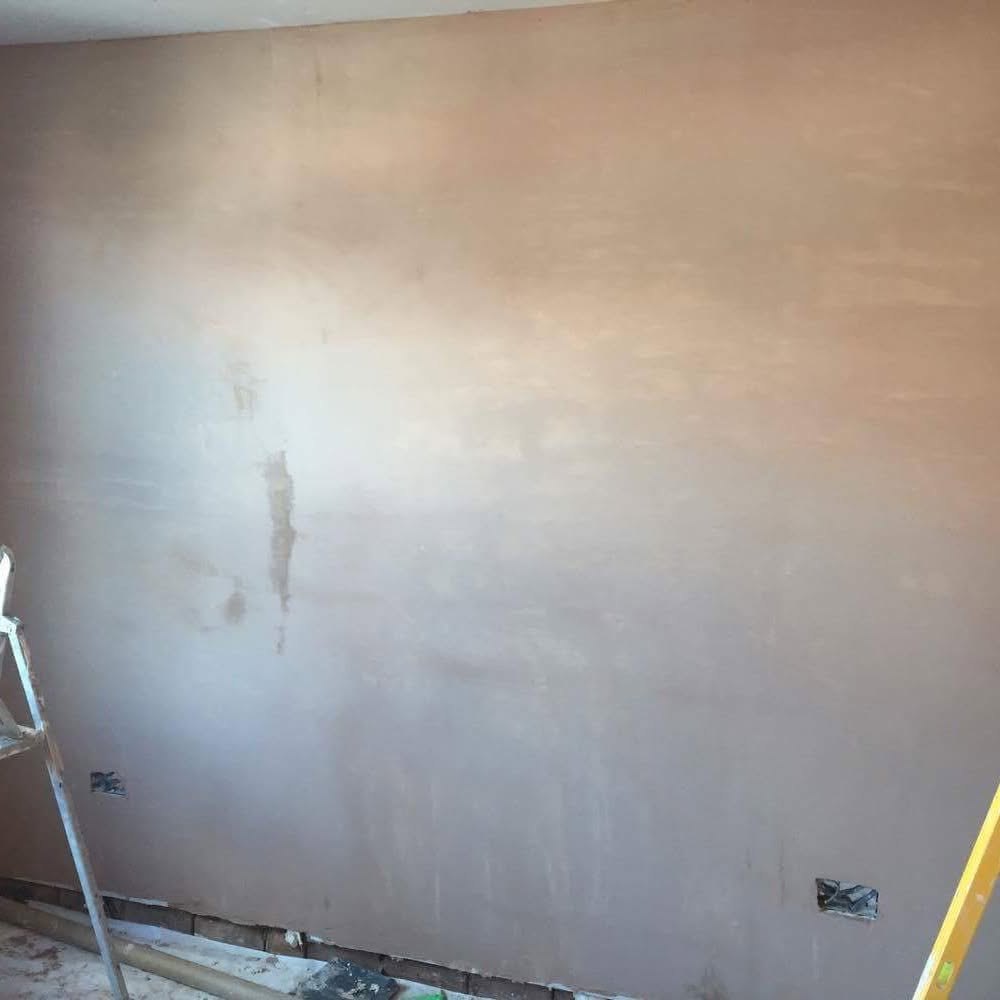
Every repair starts by taking out anything loose until only firm plaster or bare wall remains. Deep holes are packed out in stages so the fill does not slump, and a finishing coat goes on last, smoothed until the join can't be picked out in normal light. The patch then needs to dry right through. Paint applied too early can blister, and the first coat on fresh plaster should be thinned so it soaks in.
If the wall around the damage is already covered in old repairs, a full skim can be the tidier answer, and you will be told if that is the case.
Get in touch
From the Market Place to Rise Park, Highbury Vale and the newer eco-homes at Ranskill Gardens, Patch Me If You Can covers the whole of Bulwell. Call 07877 353120 or send a photo of the damage through the enquiry form. We work seven days a week, 7am to 5pm.