A Victorian lace and railway town
Long Eaton, just over the border in Derbyshire, is about eight miles south-west of Mapperley. It grew with the Midland Counties Railway in 1839, the Erewash Valley Line in 1844 and the lace trade, and by 1900 its population had passed 10,000. Wikipedia notes that the floors above the shops on the High Street and Market Place show how much of the centre is Victorian or early 20th century. Erewash Council's appraisal describes King Street, Prince Street and Princess Street as mostly high-density Victorian terraces, with Victorian semis on Lime Grove.
Terraced houses and blown plaster
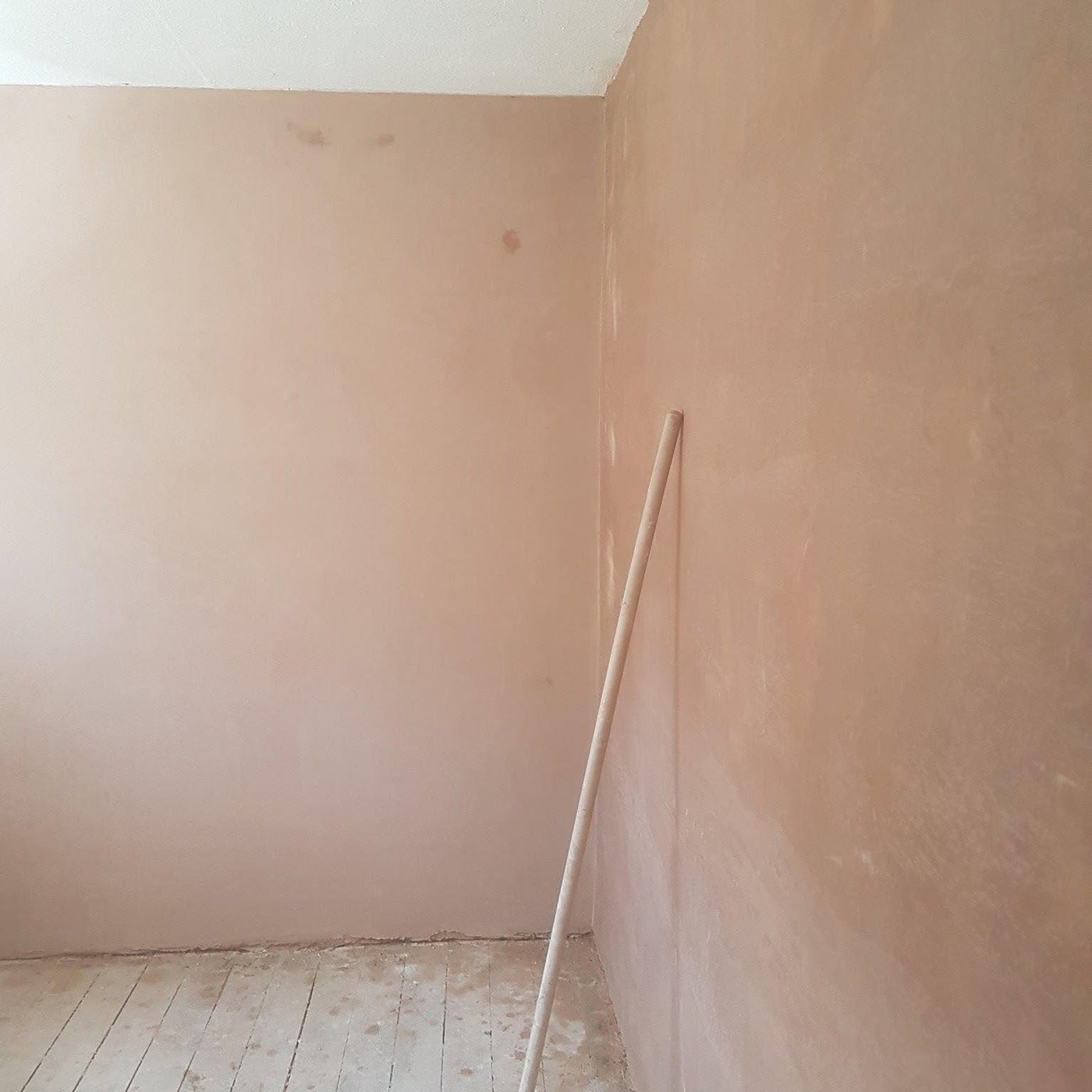
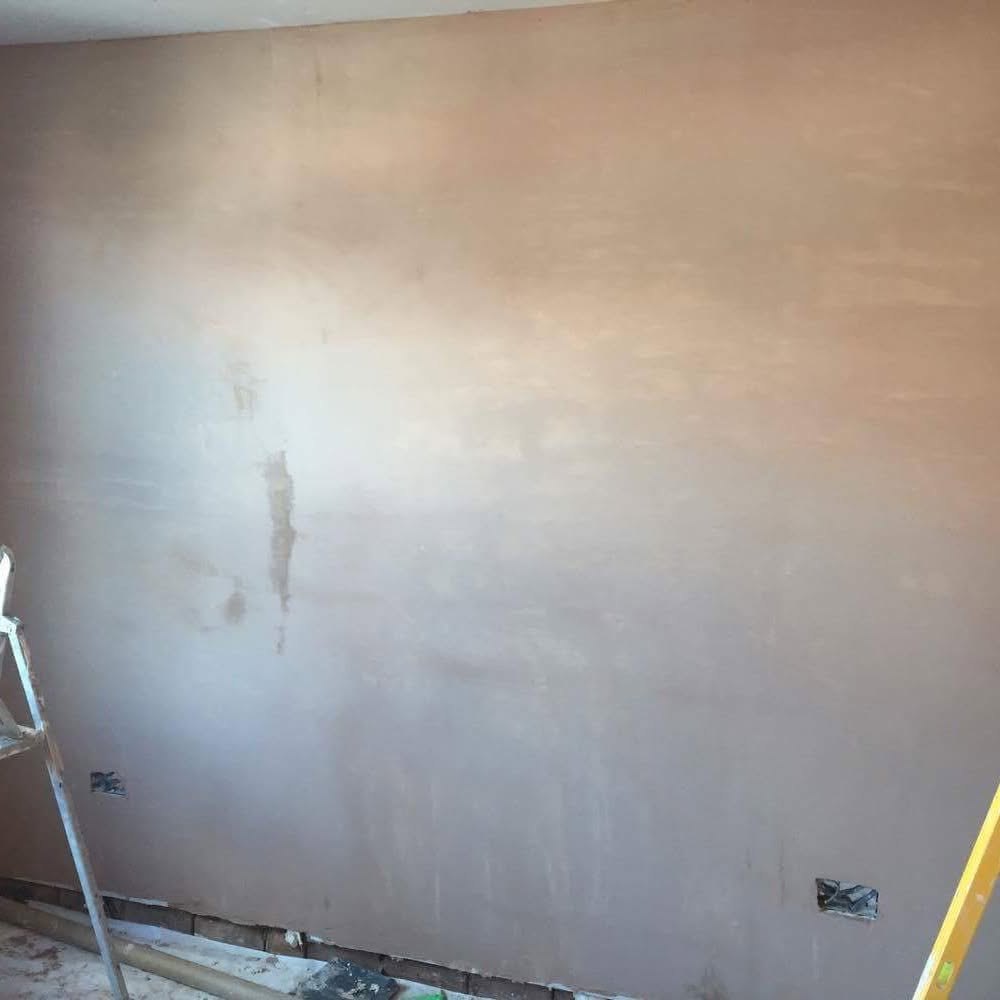
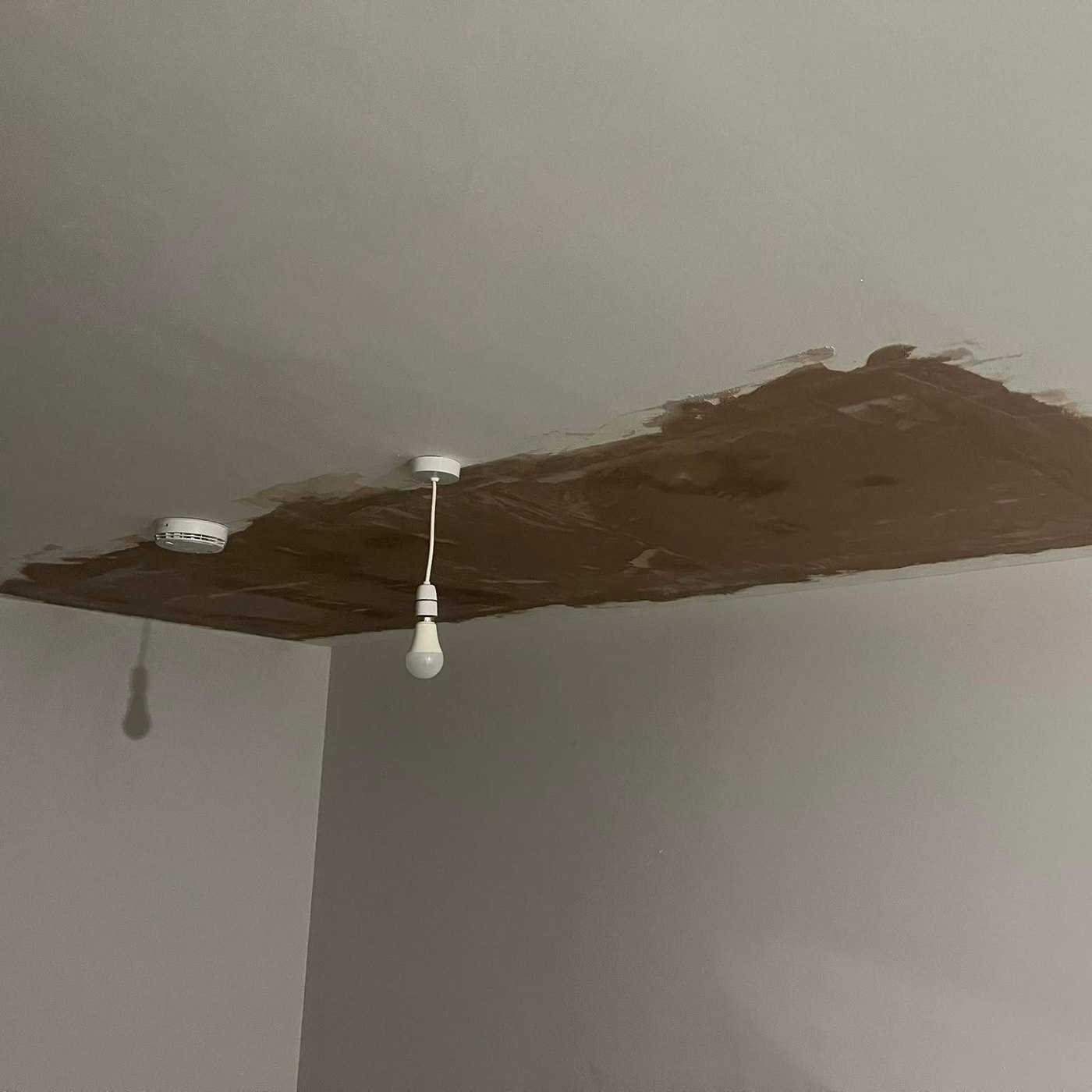
A Victorian terrace has solid brick walls, usually with lime plaster on the inside. After well over a hundred years, it is common to find areas where the plaster has lost its bond with the brick. Press on it and it may flex slightly, tap it and it sounds empty, and sometimes there is a visible bulge or a crack running round the edge of the loose section.
The repair starts by finding the edge of the loose area. Everything hollow is taken off until the plaster that remains is properly attached. The wall is then damped down or primed so the brick does not draw the water out of the new plaster too quickly, and the hole is built back up and finished.
Terraces also tend to have long, narrow hallways and straight staircases, so the walls beside them take plenty of knocks from bikes, prams and furniture. Broken corners are rebuilt so the edge runs true again.
Chimney breasts and fireplaces
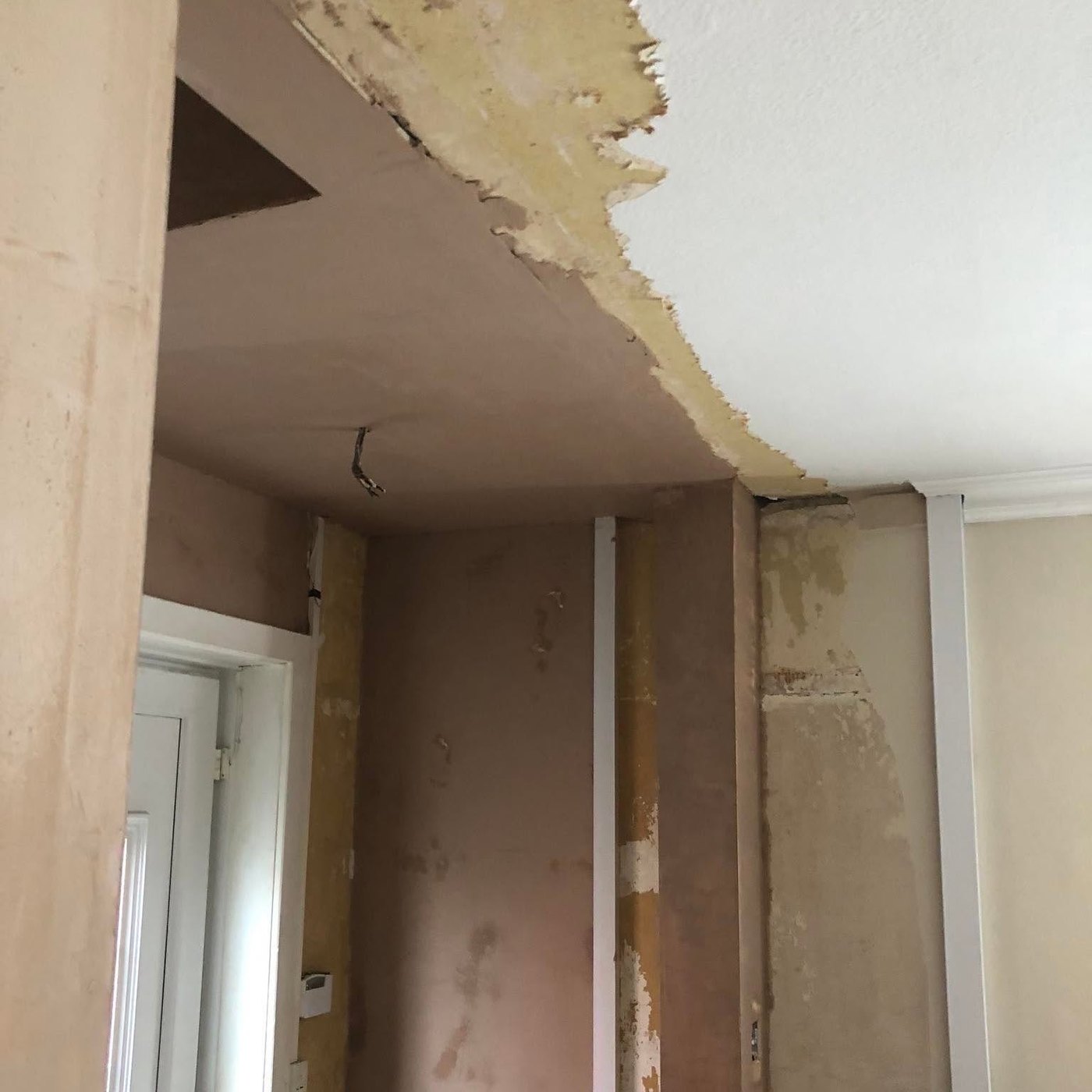
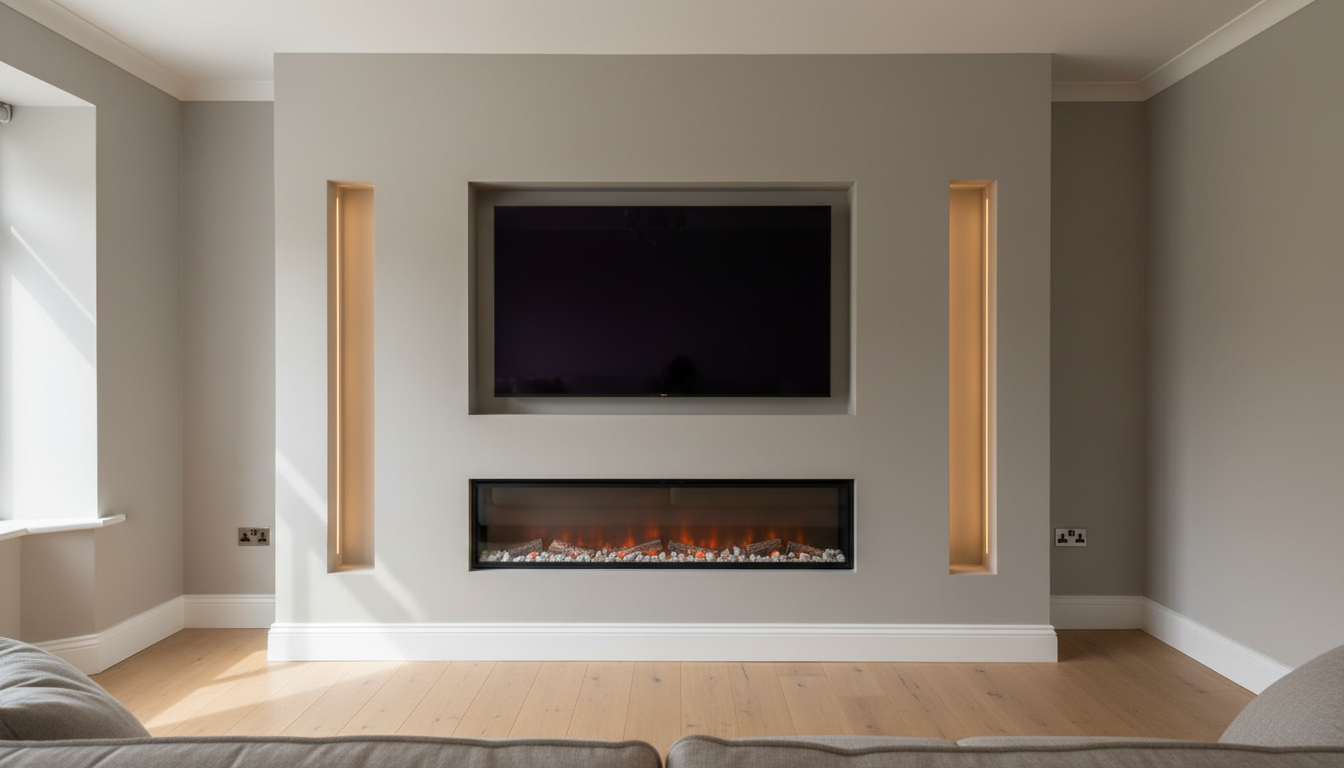
Houses of this period were built with fireplaces in most rooms, and many have since been blocked up, opened again or altered. Each change leaves its mark in the plaster: a rough infill where a grate was, cracks around a boarded-up opening, or old soot staining that bleeds through new paint. Patching around a chimney breast is a common job, and a stain-blocking primer helps where soot marks keep coming back.
Any alteration that removes part of a chimney breast is structural work. It needs proper support and building control sign-off before anyone plasters over it.
Newer homes and getting in touch
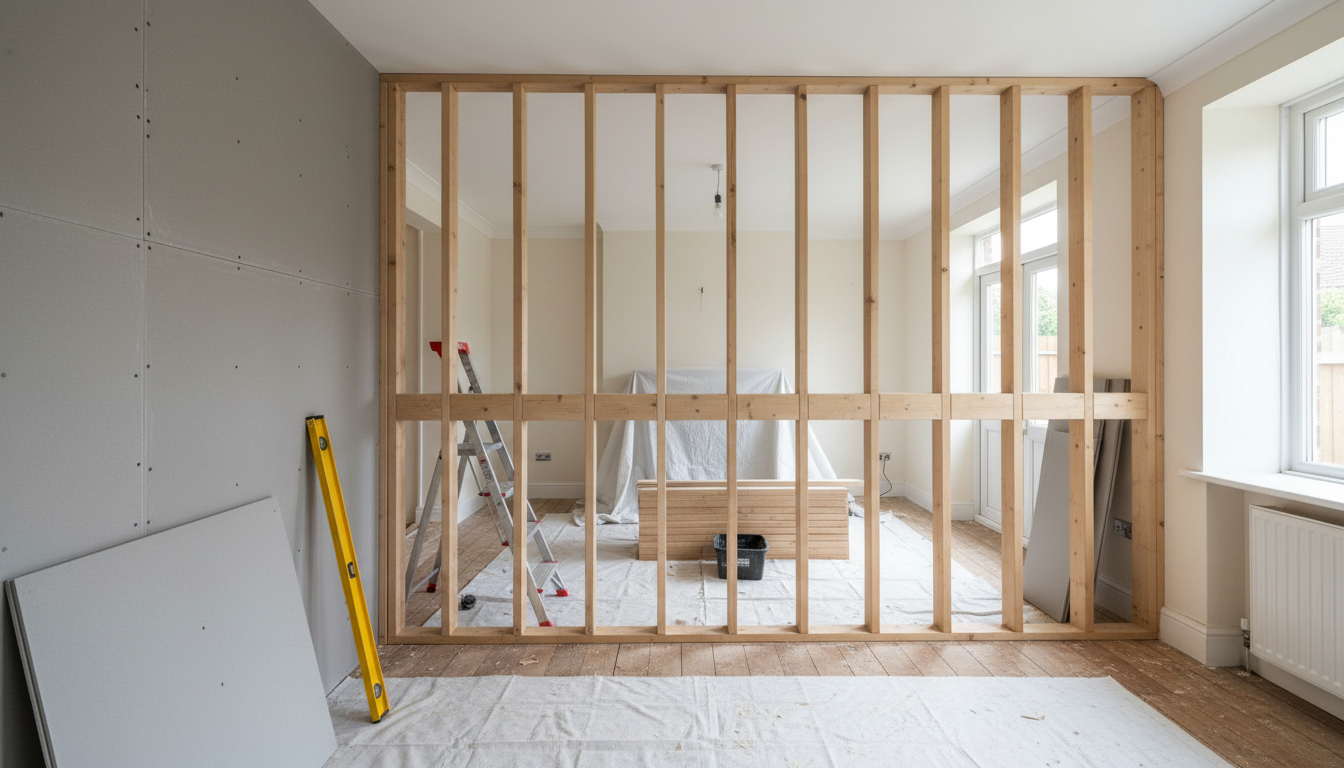
Not all of Long Eaton is Victorian. The former speedway stadium site, which closed in 1997, is now an estate of houses and flats, where plasterboard dents, fixing holes and settlement cracks are the usual jobs.
Wherever you are, from West Park to the streets behind the Market Place, send a photo of the damage through the enquiry form or call 07877 353120. Patch Me If You Can works seven days a week, 7am to 5pm.