Eastwood sits on a ridge along Nottingham Road, about 8 miles west-north-west of Mapperley and half a mile from the Derbyshire border on the River Erewash. It is a former coal town, and its most recognisable houses were built by the mine owners themselves.
The Buildings and the Squares
The mine owners Barber and Walker laid out about 300 terraced miners' cottages on Princes Street, Victoria Street, Albert Street, Scargill Street and Wellington Street, in a grid around shared yards known as the Squares. They are among the earliest company housing in the country and were saved from demolition by a council scheme. D. H. Lawrence was born at 8a Victoria Street, now a museum, and the Buildings form one of the three parts of Eastwood's conservation area, alongside Nottingham Road and Church Street.
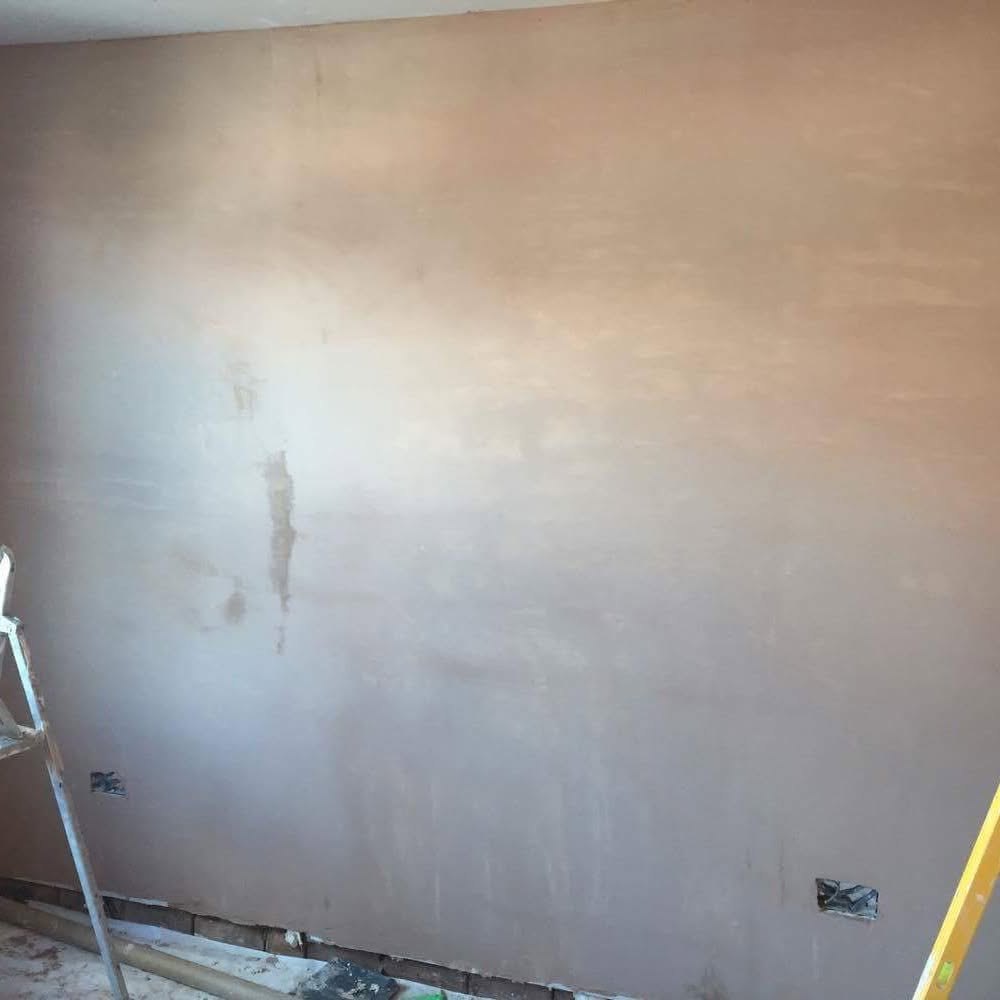
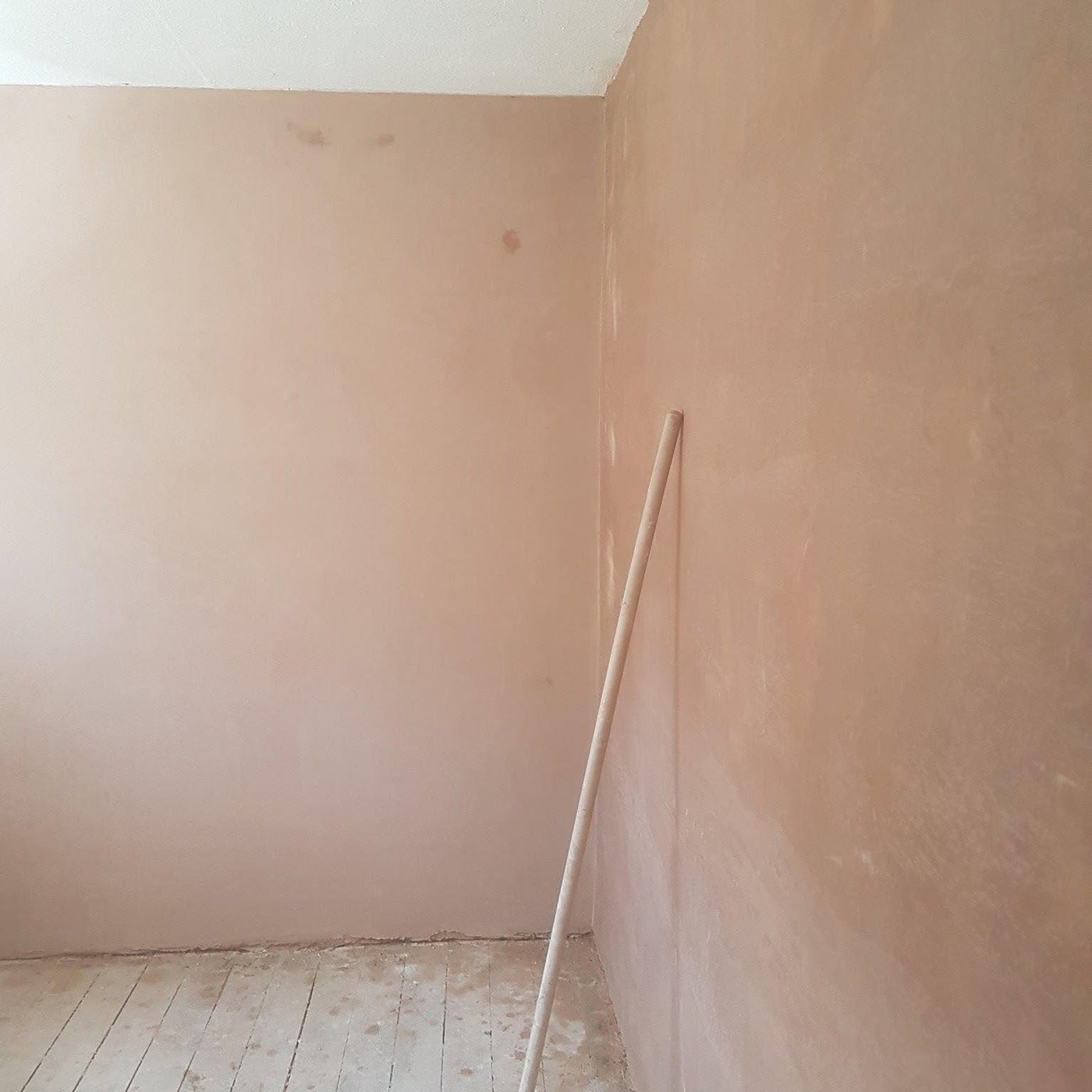
Cottages of this age have solid brick walls and were originally finished with lime plaster. After more than 150 years, much of that has usually been patched or replaced, sometimes with harder modern materials, and where old and new plasters meet, cracks and bulges often follow. Some of Eastwood's buildings are listed, including 36 to 39 Scargill Walk, and a listed home needs consent before original plaster or features are altered.
Working in small rooms
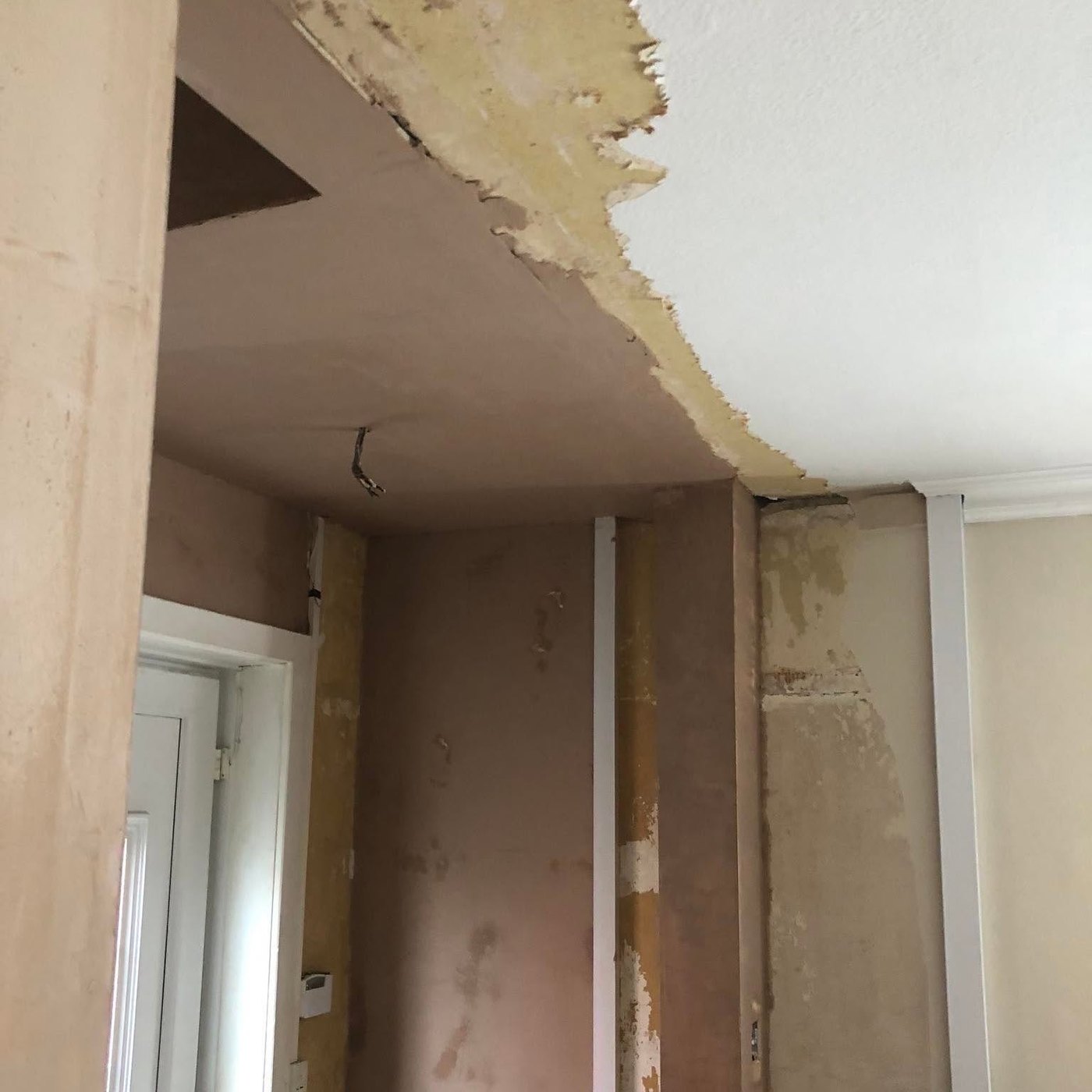
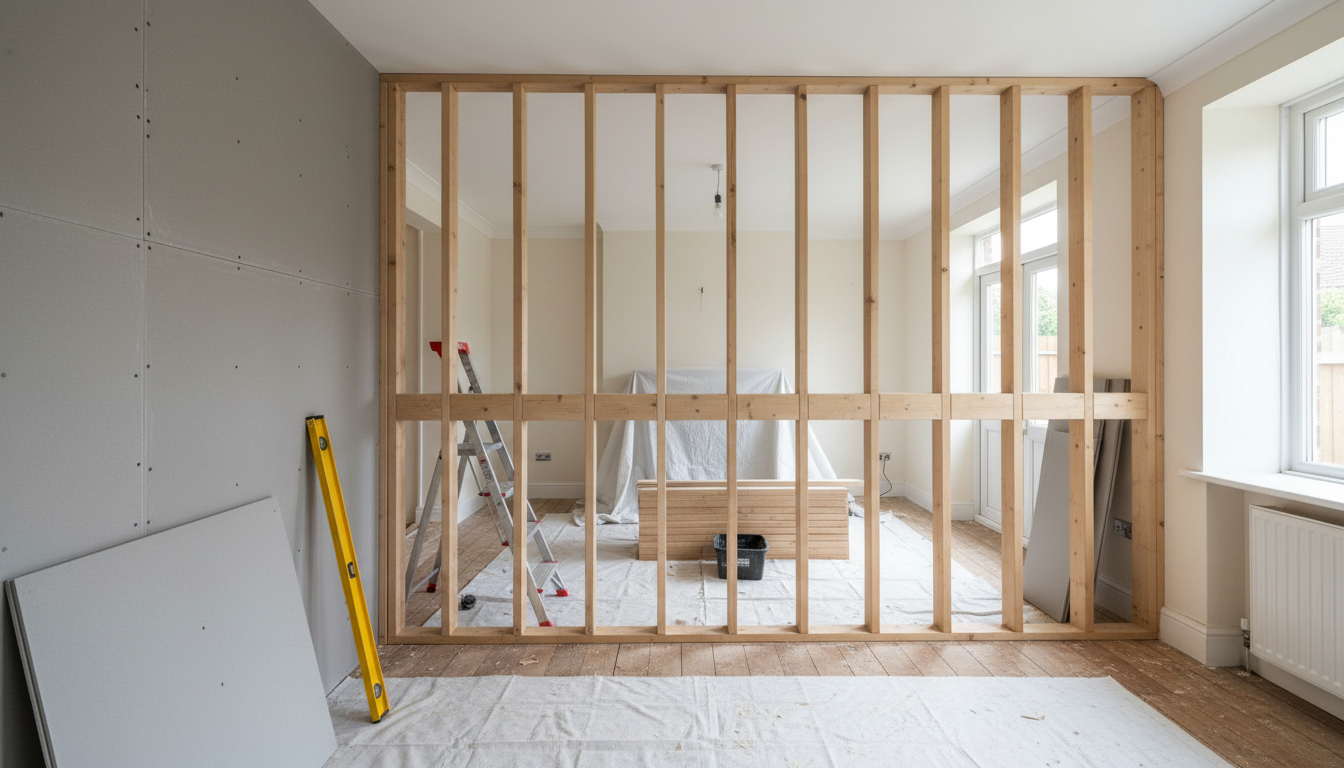
Small cottages need a tidy approach. Rooms are compact, staircases are often steep and enclosed, and there is not much space to store furniture while work goes on. Planning the order matters: one or two rooms cleared at a time, ceilings first, and the stairwell treated as its own small job with careful access. The walls of a narrow enclosed staircase take a lot of knocks over the years, so they often need more patching and a full skim to look right again.
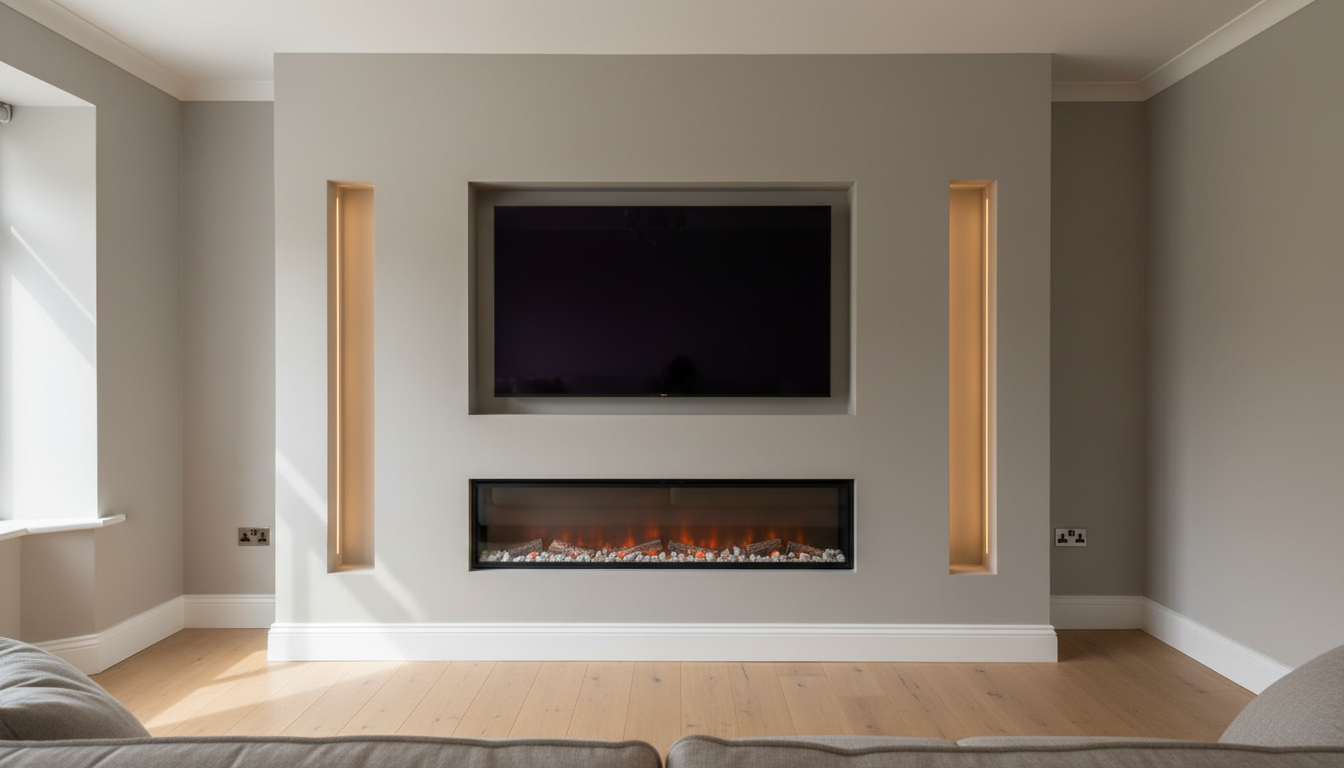
Chimney breasts are another regular feature. If a fireplace has been removed and bricked up, the infilled opening is plastered to match the breast around it, and a vent is usually left so the old flue can breathe. Damp is worth ruling out too: a wall that stays wet will spoil new plaster, so a leaking gutter or a bridged damp course should be dealt with first.
Church Street and beyond
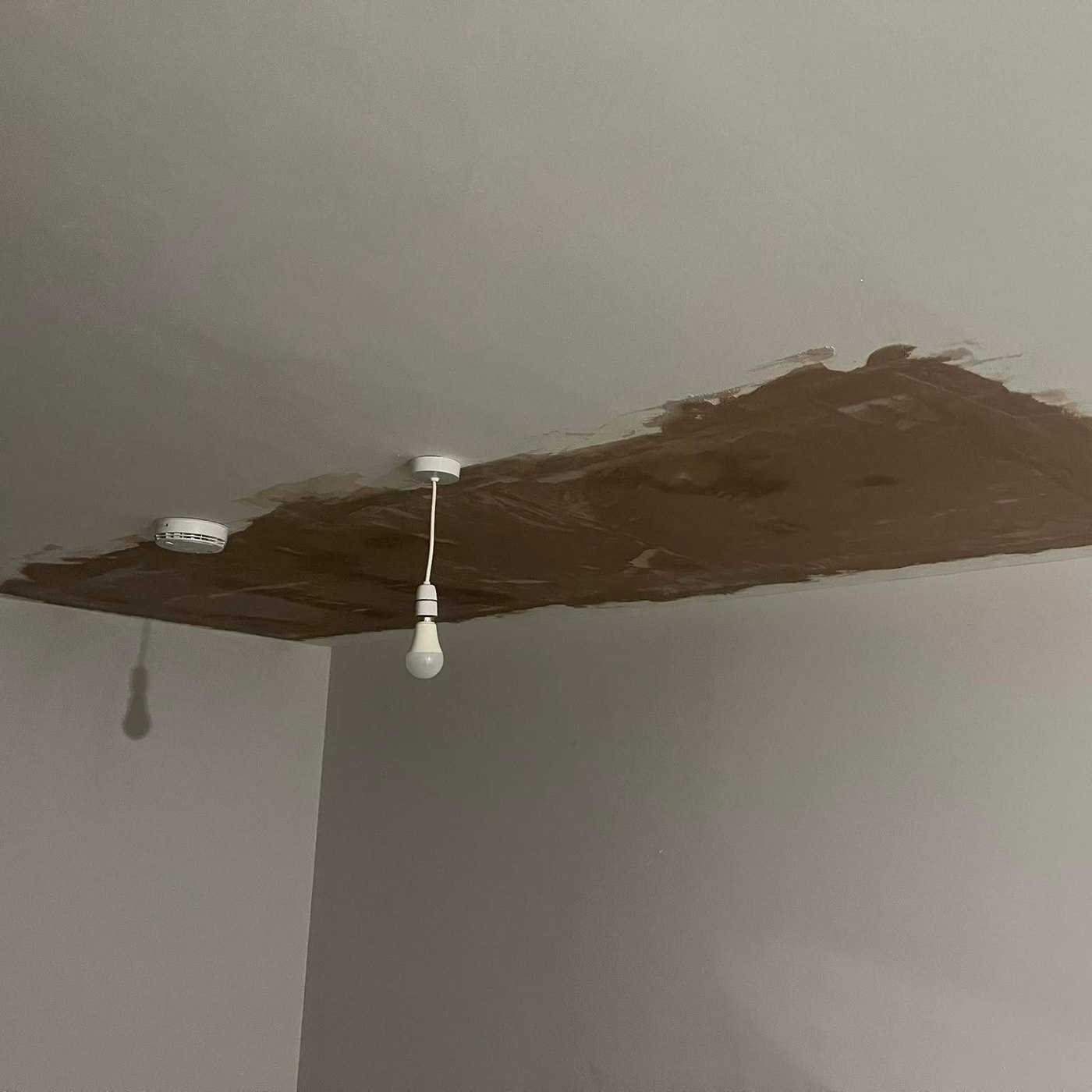
Church Street, the third part of the conservation area, has detached houses in their own grounds behind walls and trees. Larger houses mean bigger ceilings and longer walls to finish in one pass. Elsewhere in town, newer homes need the usual work of skimming, making good after rewires and flattening textured ceilings.
For indoor plastering in Eastwood, from the Squares to Church Street, call 07877 353120 or send photos through the enquiry form. We work seven days a week, 7am to 5pm.