Carlton is about 2 miles east-south-east of Mapperley, and with Gedling and Netherfield it now forms one continuous urban area. For plastering, the useful thing to know is how the town grew. Carlton lies in a valley with two distinct sides: the northern side was built mainly during the Industrial Revolution and the early 1900s, and the southern side mainly in the 1930s, 1940s and 1950s. Homes from each era tend to need different work.
Older houses on the northern side
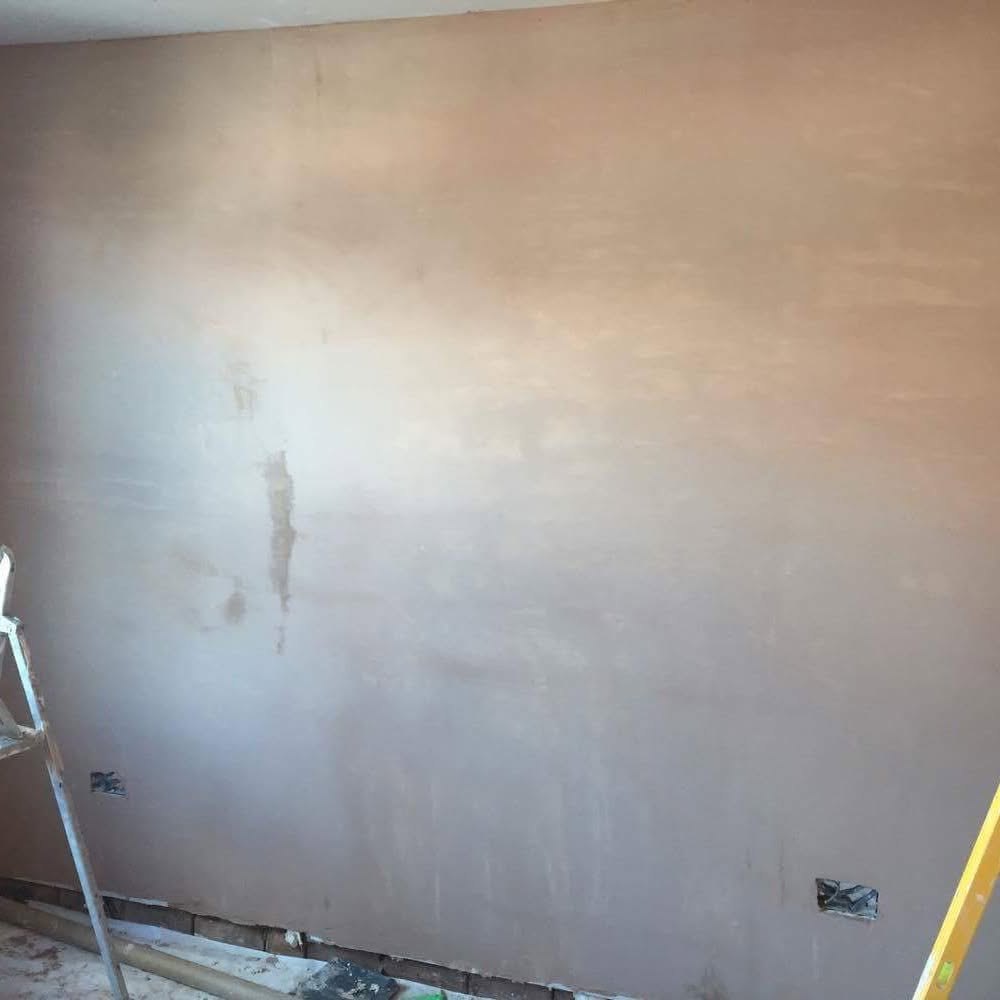
Houses from the 19th and early 20th centuries usually have solid brick walls, plaster that has been patched many times, and lath and plaster ceilings. Chimney breasts are a common problem. After decades of coal fires, salts in the brickwork can draw in moisture and push stains through new plaster, so a stained or crumbling breast needs the damaged plaster removed and a suitable backing applied before the finish. Where a damp-proof course has been injected, the plaster along the bottom of the wall normally has to be replaced with a salt-resistant mix, following the damp specialist's guidance.
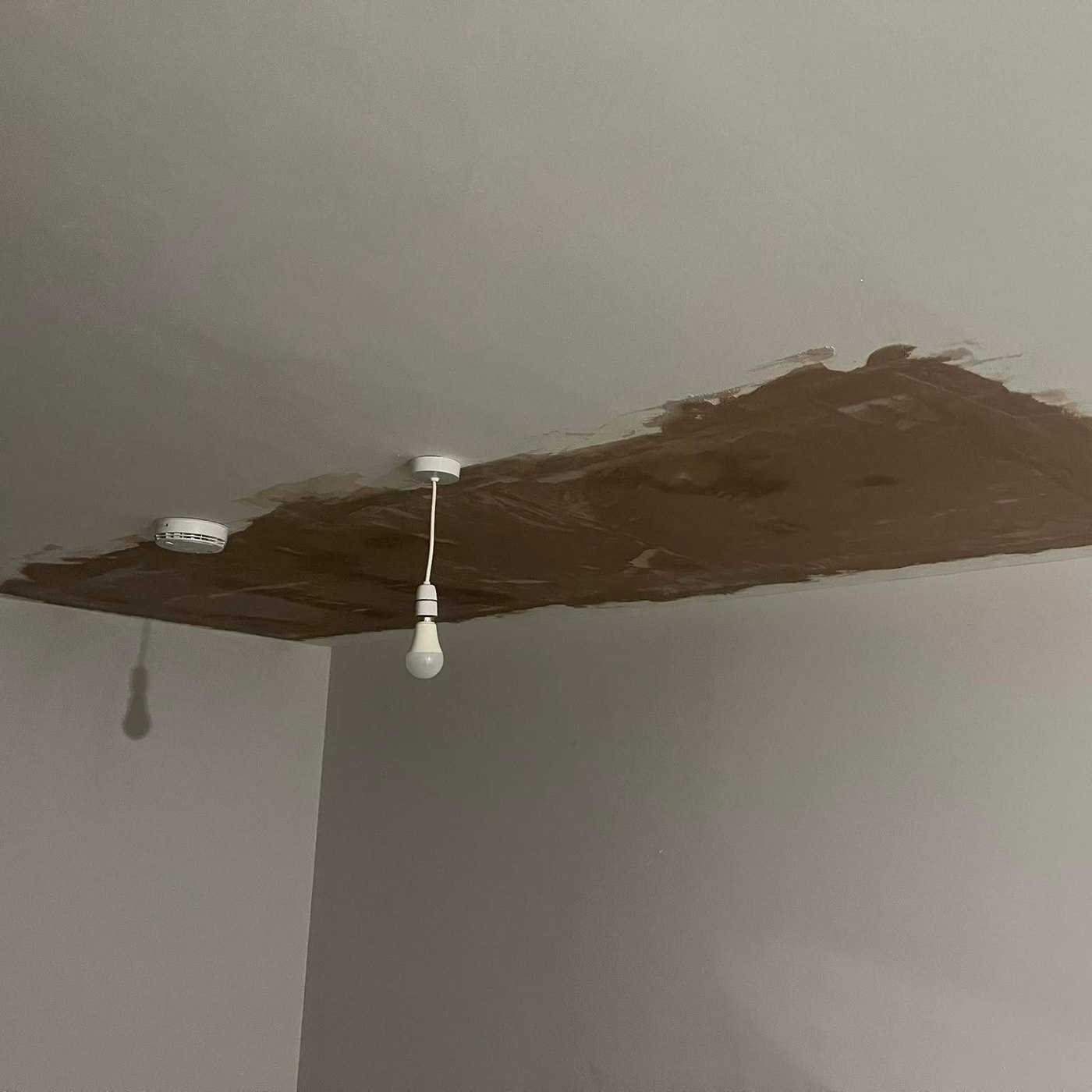
Ceilings in these houses can be put right in more than one way. If the laths are sound and the plaster is still holding, a skim may be enough. If it has dropped or cracked badly, overboarding or replacing it gives a sound base.
1930s to 1950s homes to the south
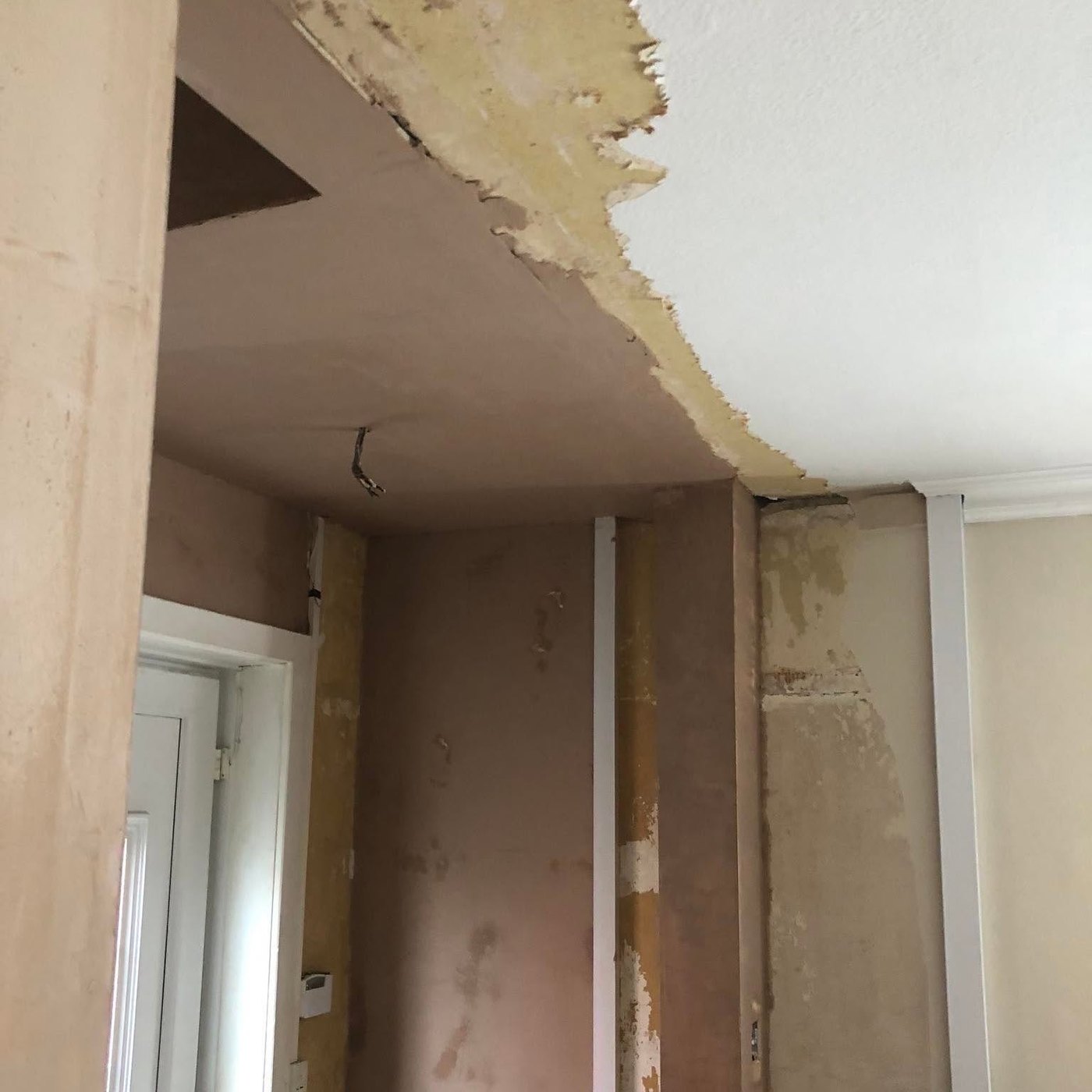
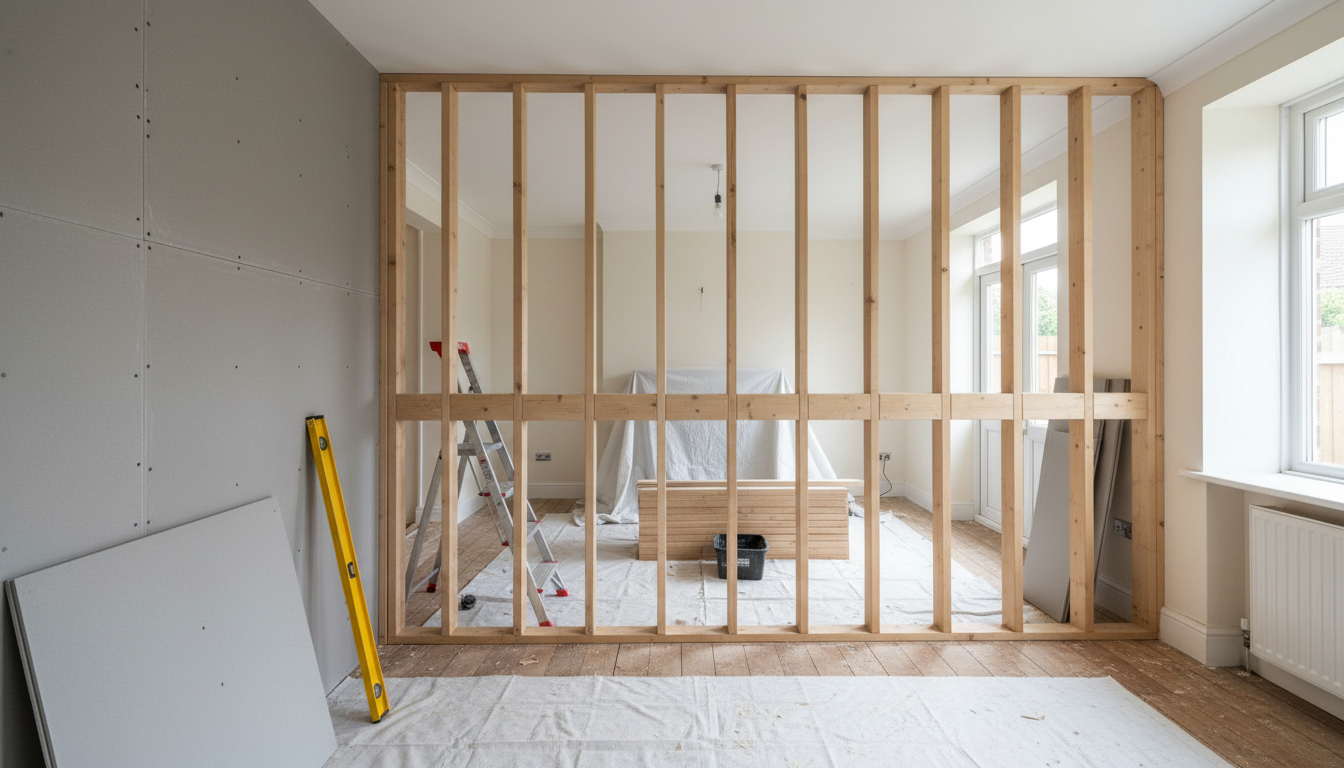
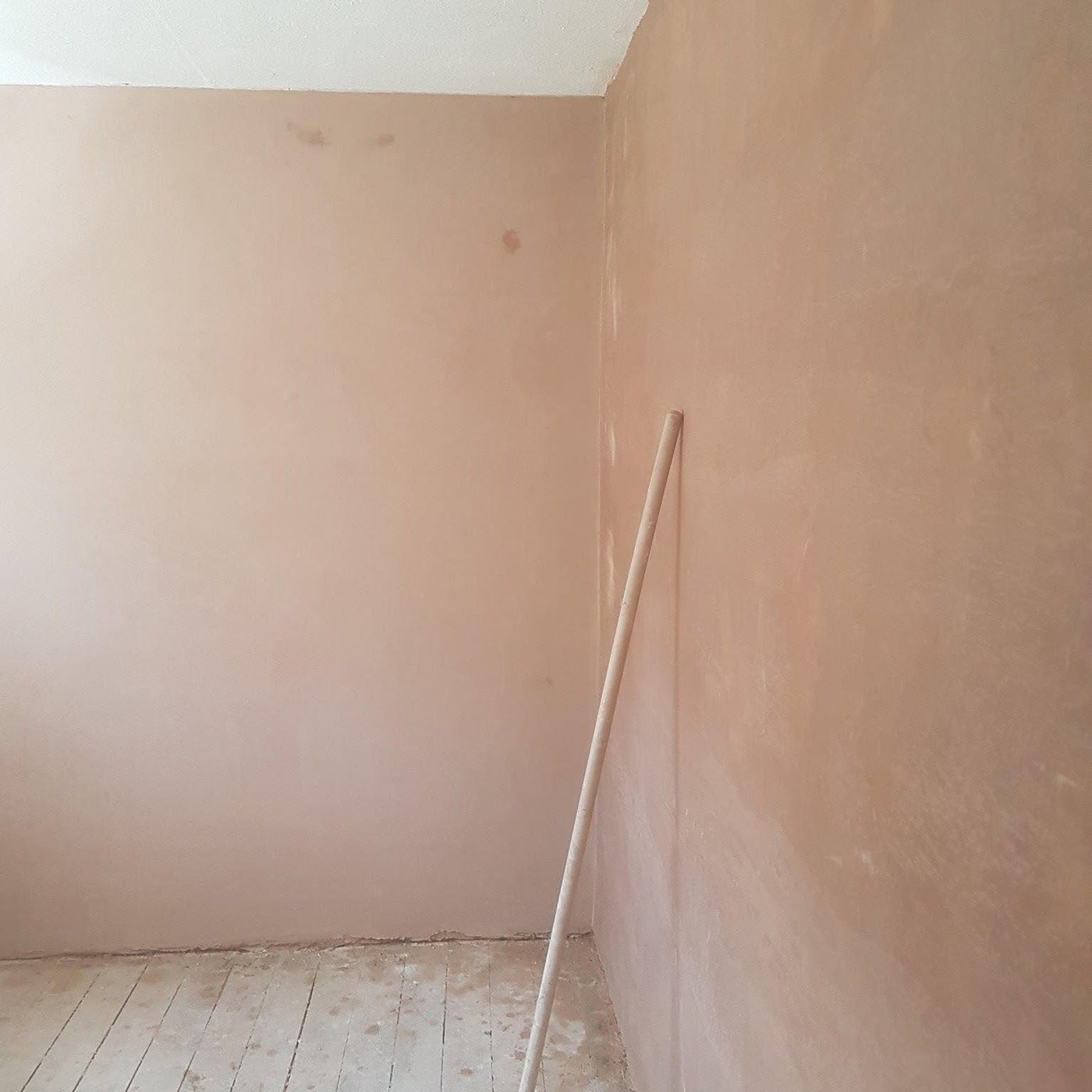
The southern side of the valley is mostly mid-century housing. Plaster from this period is generally harder and better bonded, but rooms have often been altered over the years, with serving hatches filled in, fireplaces removed and walls opened up. Each change leaves a patch of a different material. Patching those areas and then skimming the whole surface brings the room back to one even finish. Ceilings from these decades are more likely to be plasterboard. If yours has a textured coating, it can be skimmed over flat; if that coating went up before 2000, get it tested for asbestos before anyone sands it.
Netherfield, beside Carlton, is known for its rows of Victorian terraced houses, which have more in common with the northern side: older plaster, narrow stairwells and long hallway walls that need careful access.
Arranging a job in Carlton
Whether you live near Carlton Hill, up by Standhill Road or in Netherfield, call 07877 353120 or use the enquiry form to send photos. We work every day of the week, 7am to 5pm.