Beeston is about 5 miles south-west of Mapperley, with the University of Nottingham's main campus on its north-east side. It has an unusually wide range of housing for one town, from Victorian land society estates to 1930s houses and 1970s timber-framed homes, and indoor plastering here starts with working out which kind you live in.
Land society houses and Victorian villas
From the late 1870s, land societies bought land in Beeston and divided it into building plots. St John's Grove, Imperial Park and Bellevue Park began this way, and St John's Grove is now a conservation area of mostly late Victorian and Edwardian houses, as is Cottage Grove on Park Road and Grove Avenue. There are Victorian villas near the station in Rylands too.
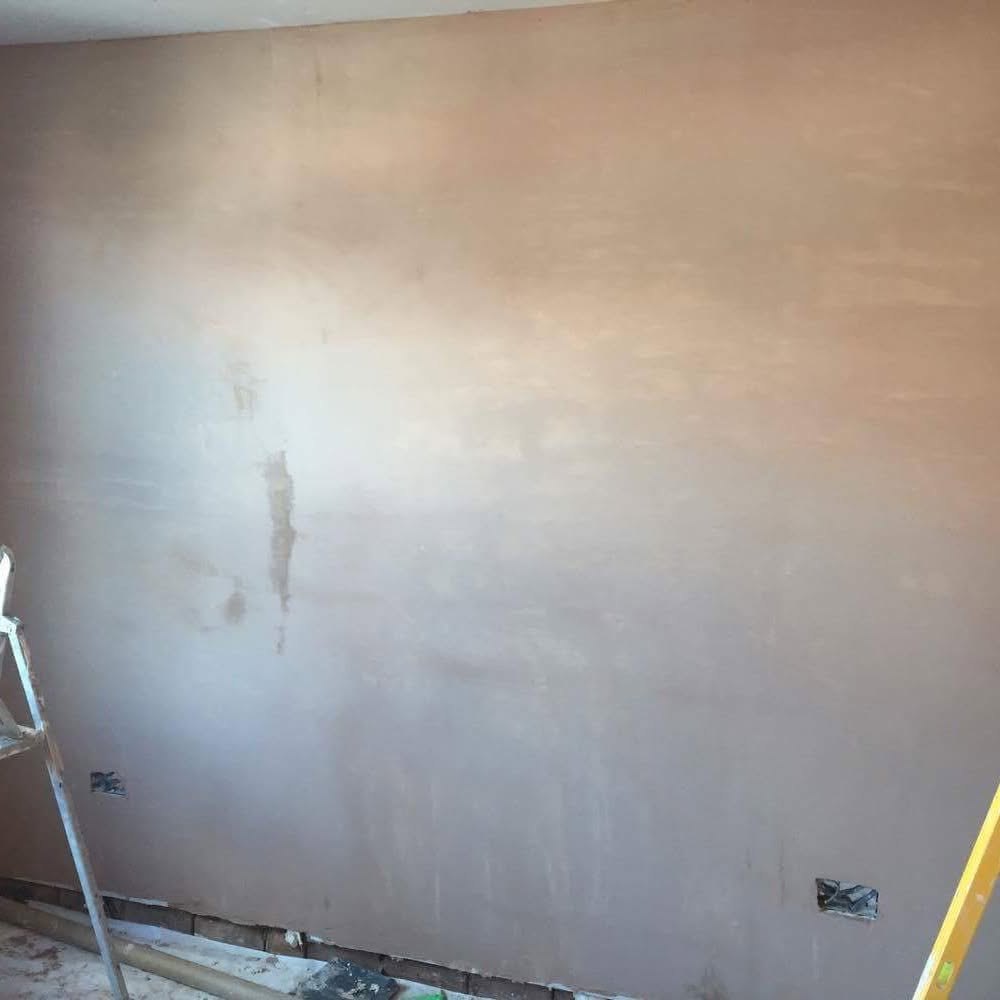
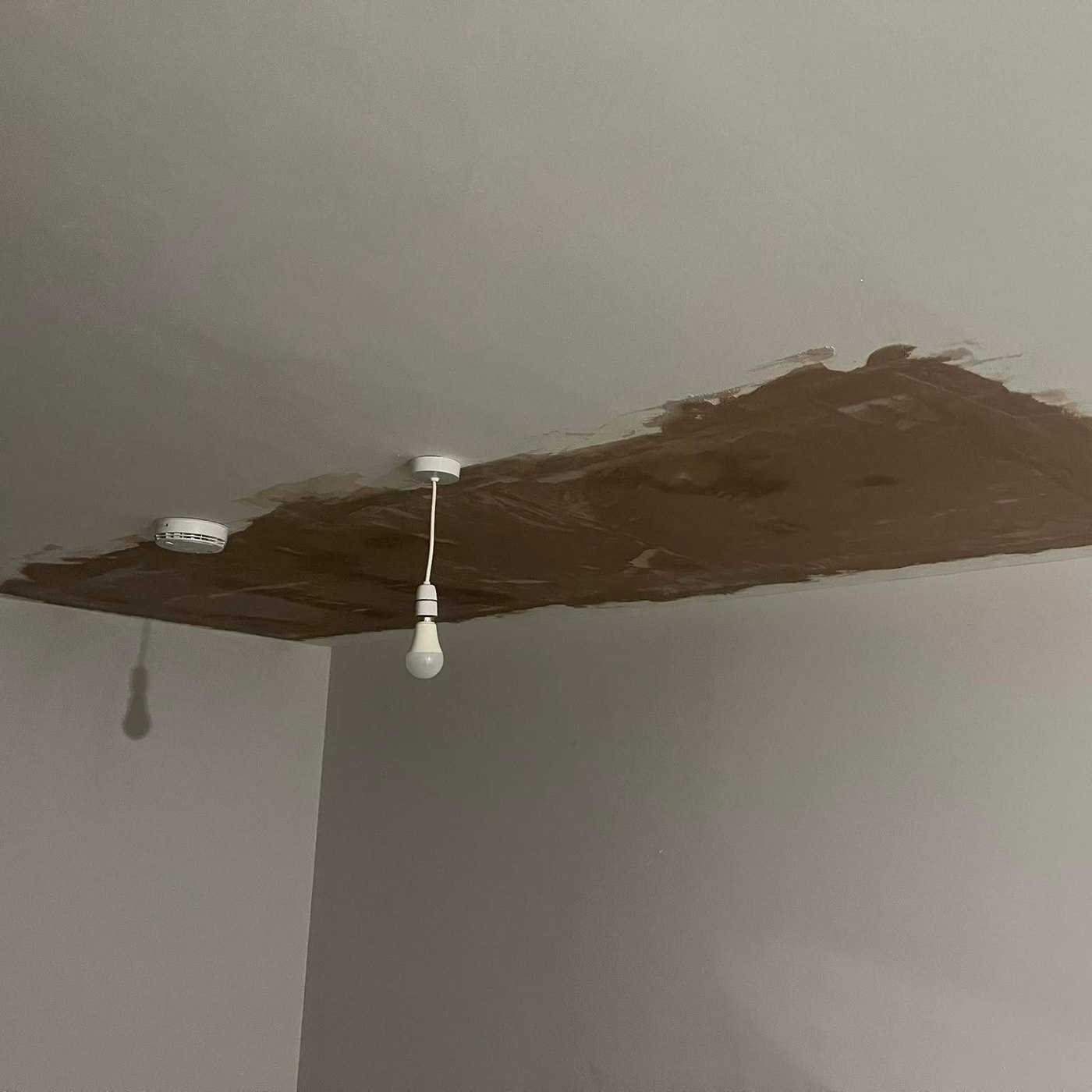
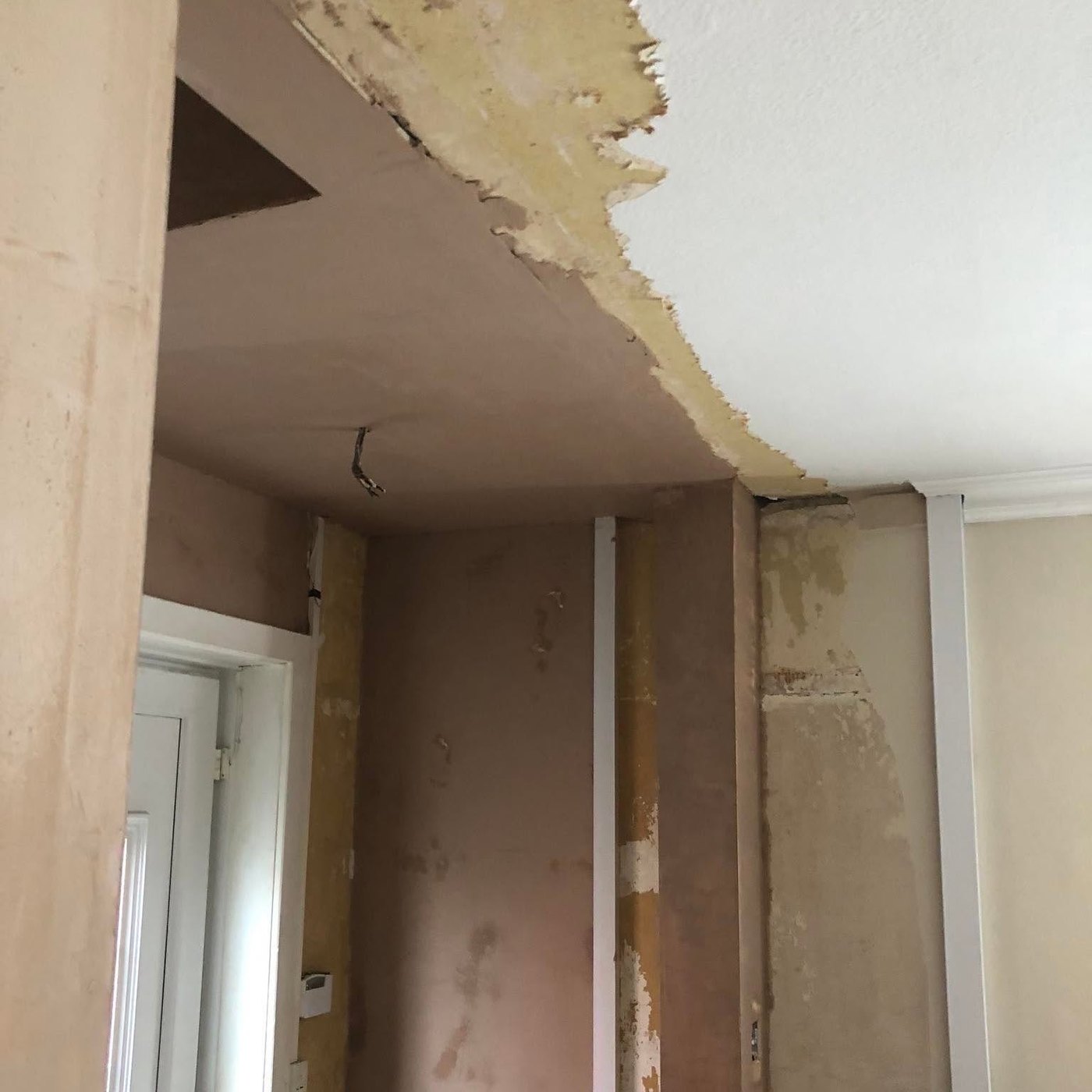
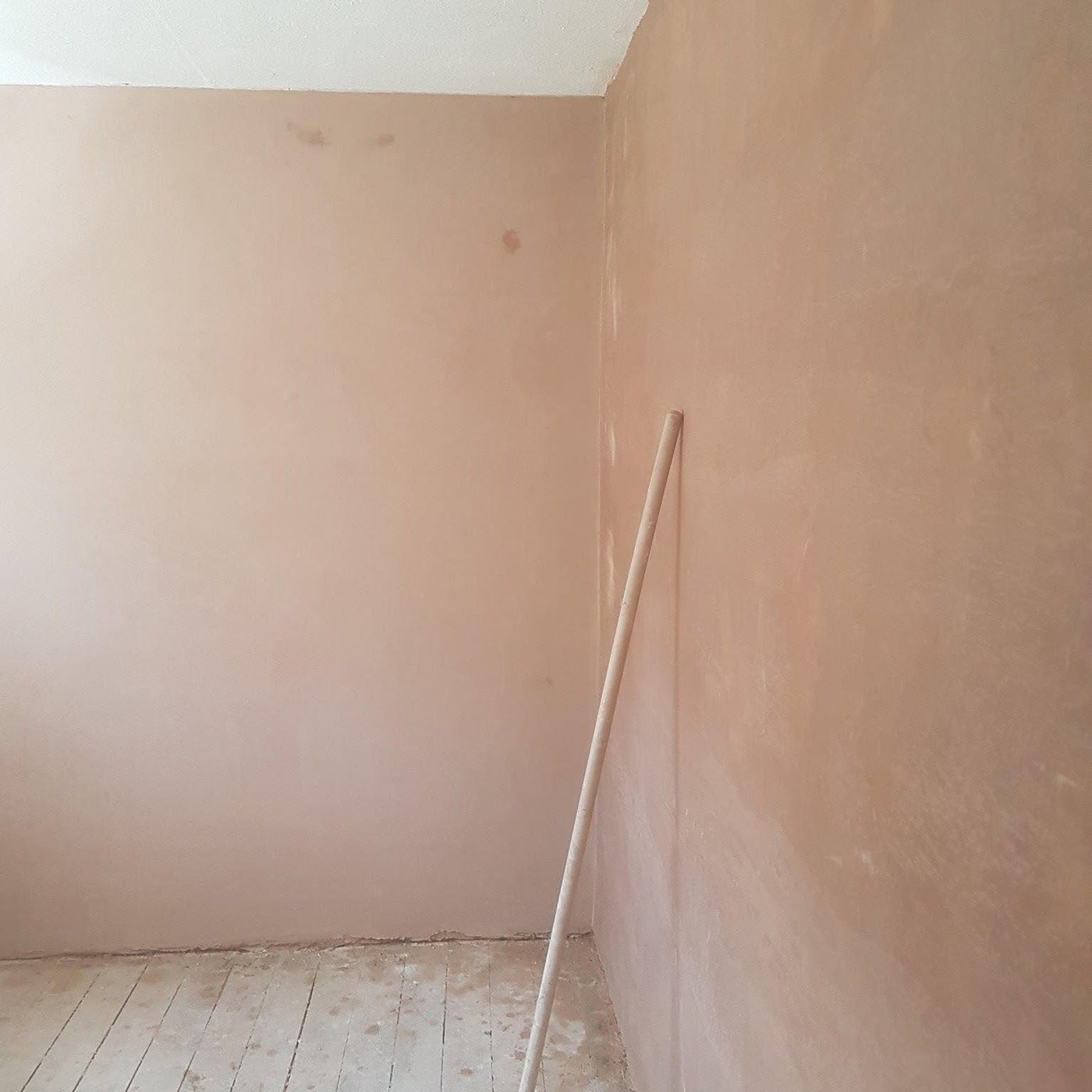
In houses of this age, the plaster on solid brick walls has often been patched by several generations of owners. When a room is stripped, it is normal to find areas where the plaster has lost its key. Those are taken back and built up with backing coats before the wall or ceiling gets a new finish. Ceilings may be original lath and plaster: if cracked but holding, they can sometimes be skimmed, and if loose, overboarding is usually the sounder choice.
Rylands, from the 1930s to Meadow Farm
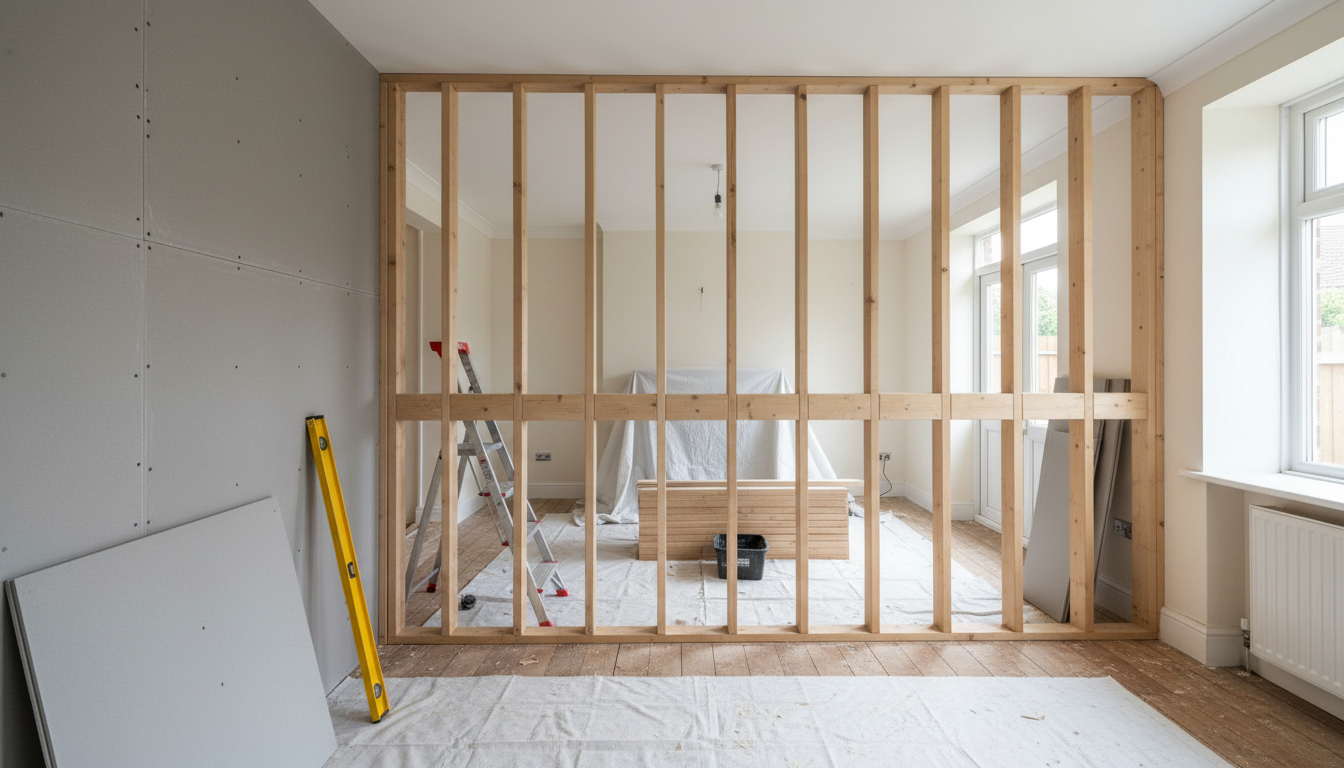
South of the railway, Beeston Rylands includes early 20th-century estates built for Ericsson and Boots workers, the 900 Cliftonside houses of 1934 to 1939, post-war council homes and Meadow Farm, a 1970 estate of timber-framed semi-detached houses. Timber-framed houses are plastered differently. Their walls are plasterboard on a frame, usually with a vapour control layer behind, so repairs mean replacing or skimming board rather than building up solid plaster, and new fixings should avoid piercing that layer more than necessary.
Flood risk kept Rylands houses smaller and mostly built for renting; the last serious flood was in 1947. Gypsum plaster softens when soaked, so after any leak or flood the wall needs to dry out fully before it is replastered, and more water-tolerant materials are worth considering low down.
Rented homes and student lets
Since March 2022, an Article 4 Direction has meant that turning a house into a small HMO in parts of Beeston and Beeston Rylands needs planning permission. For landlords, several rooms often need freshening up at once between tenancies. Repairing damage, skimming tired walls and getting a house ready for decorating as a single job keeps things simple. Shared houses can also have fire safety requirements for walls and ceilings on escape routes, so check your licence conditions.
To arrange indoor plastering in Beeston, Chilwell or Rylands, call 07877 353120 or use the enquiry form. We are open seven days a week, 7am to 5pm.