Panelling from a plasterer on your own ridge
Patch Me If You Can is based in Mapperley, up on the ridge that Woodborough Road runs along, so homes here are as local as our work gets. Some of the region's largest brickworks once stood on this high ground, which gave rise to the old saying that "Nottingham once stood on Mapperley Plains". Whether you live in one of the streets east of Woodborough Road or out towards the Plains, wall panelling is a simple way to give a plain hallway, landing or bedroom some shape and shadow. What decides whether it lasts, and whether the lines stay crisp, is the surface underneath, and judging that surface is a plasterer's everyday work.
Edwardian streets and picture-frame moulding
Plenty of Mapperley's housing dates from the early 20th century. Houses on Blyth Street and Querneby Road began going up around 1900, and over the following twenty years new streets were built as far as Porchester Road. Just south-west, Mapperley Park is a conservation area noted for its Victorian and Edwardian houses on tree-lined avenues.
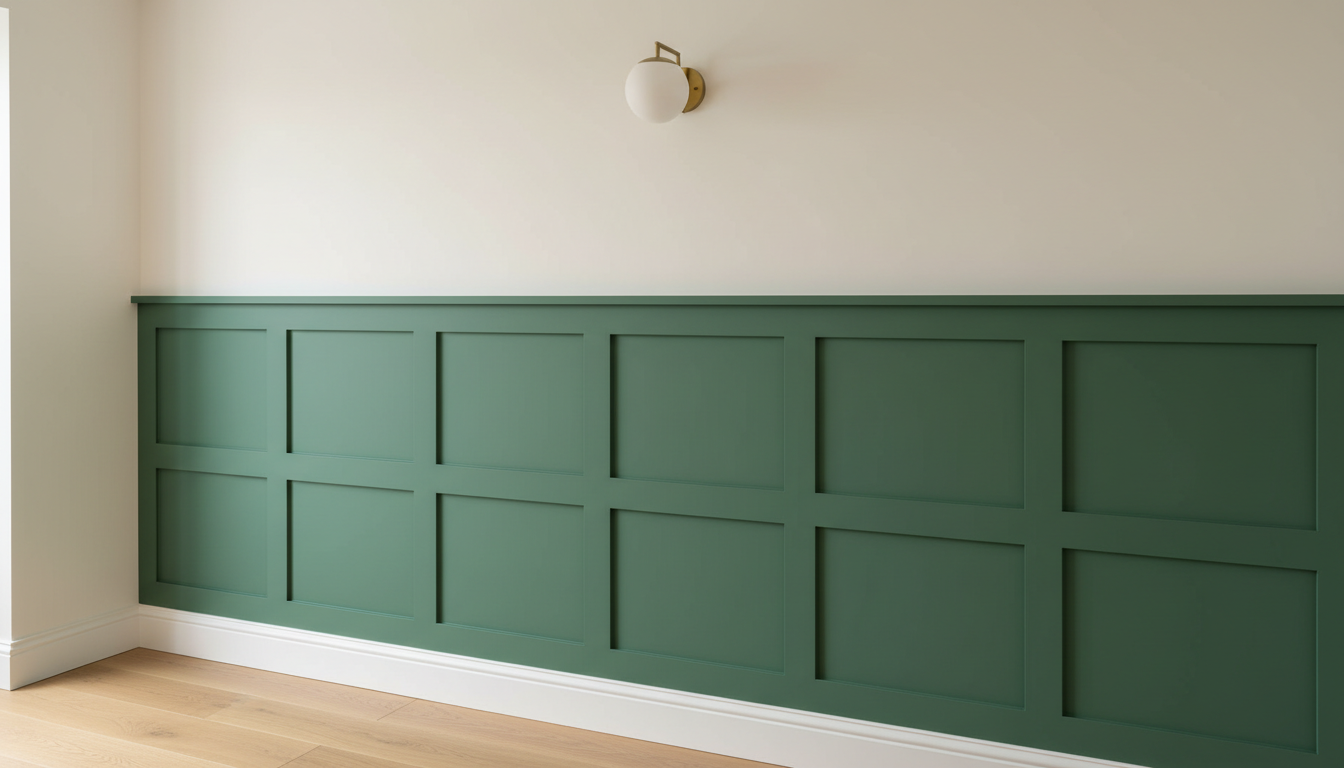
In homes of that age, picture-frame moulding tends to feel right: slim mitred frames set out in a row along a hallway, or stepped up a stair wall, in keeping with the rails and mouldings period houses were often built with. If your house still has a picture rail or dado rail, the panelling can be planned around it rather than against it. Shaker panelling, with flat strips and square corners, is a slightly plainer take that suits a bedroom or a dining room.
Checking old plaster before anything is glued
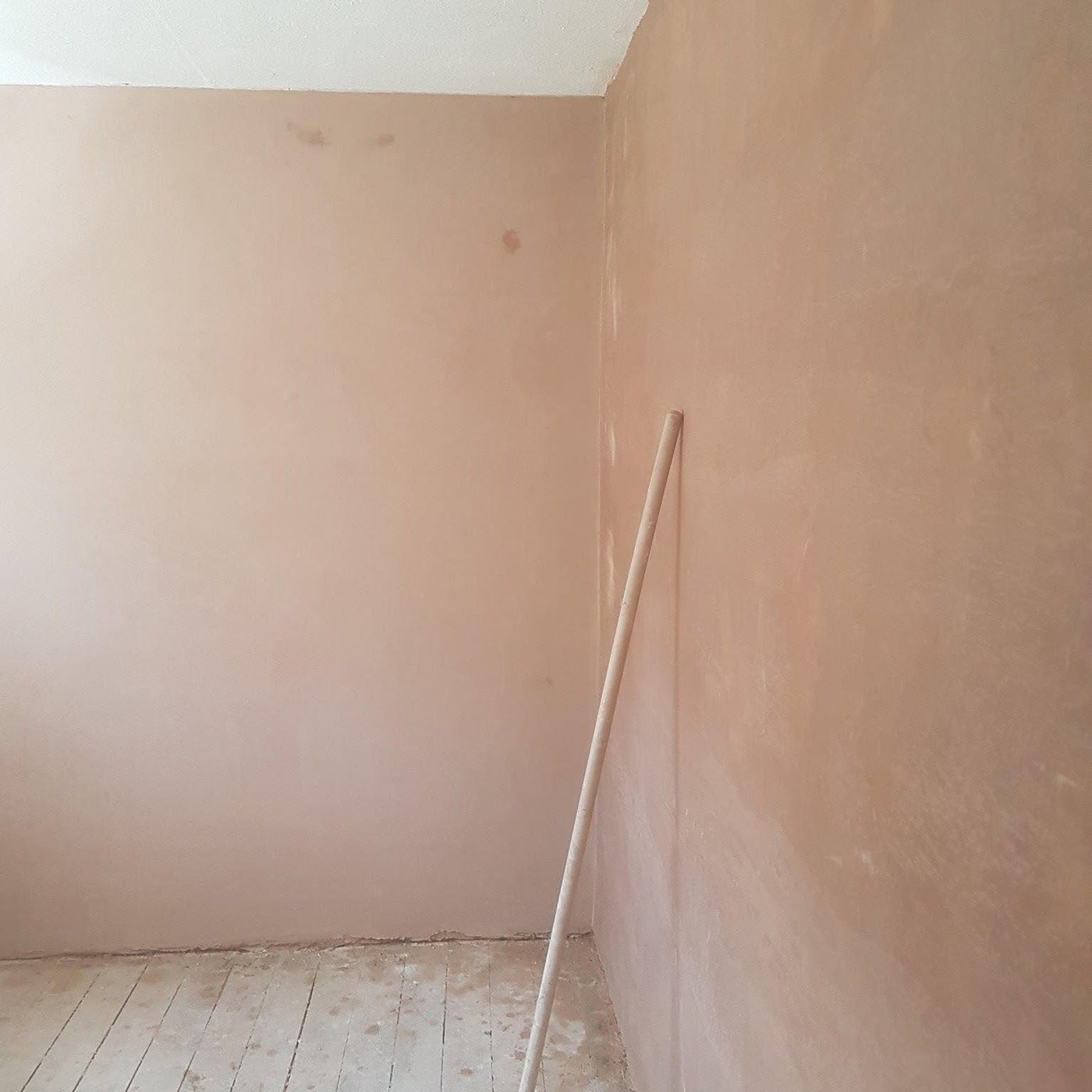
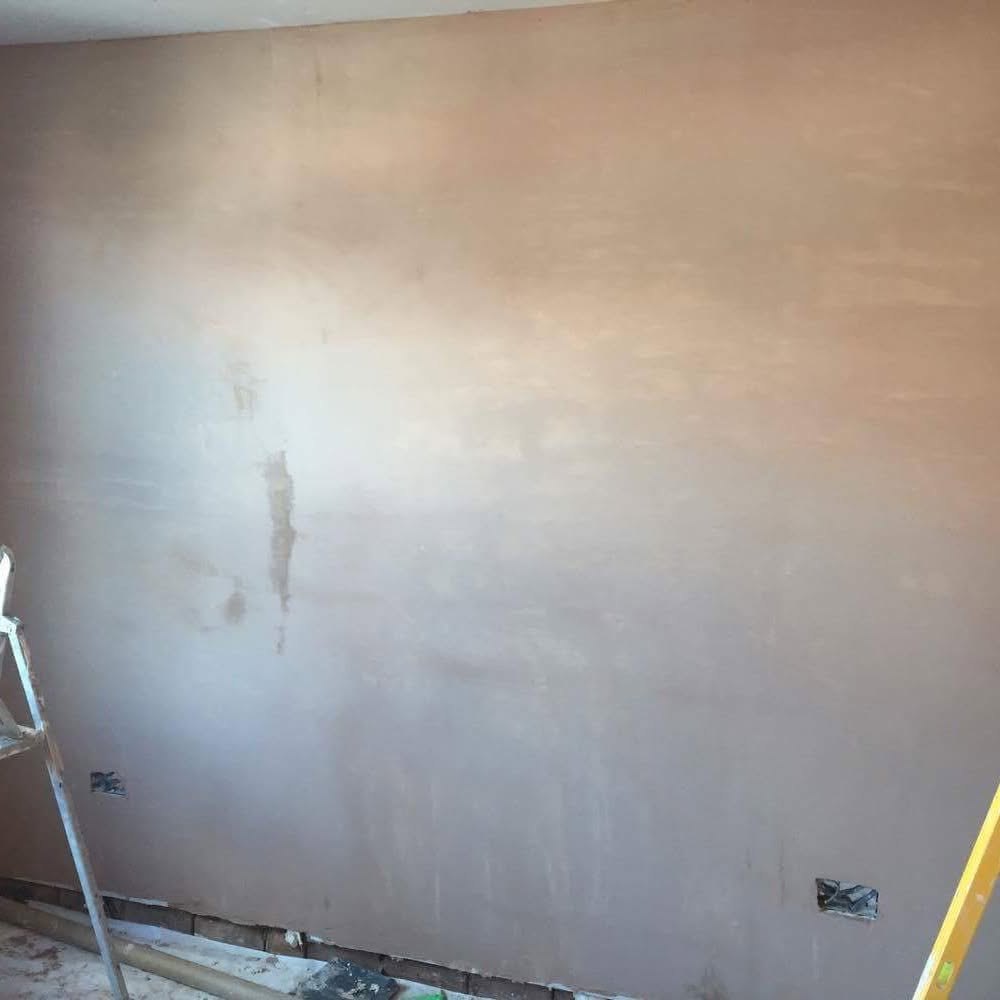
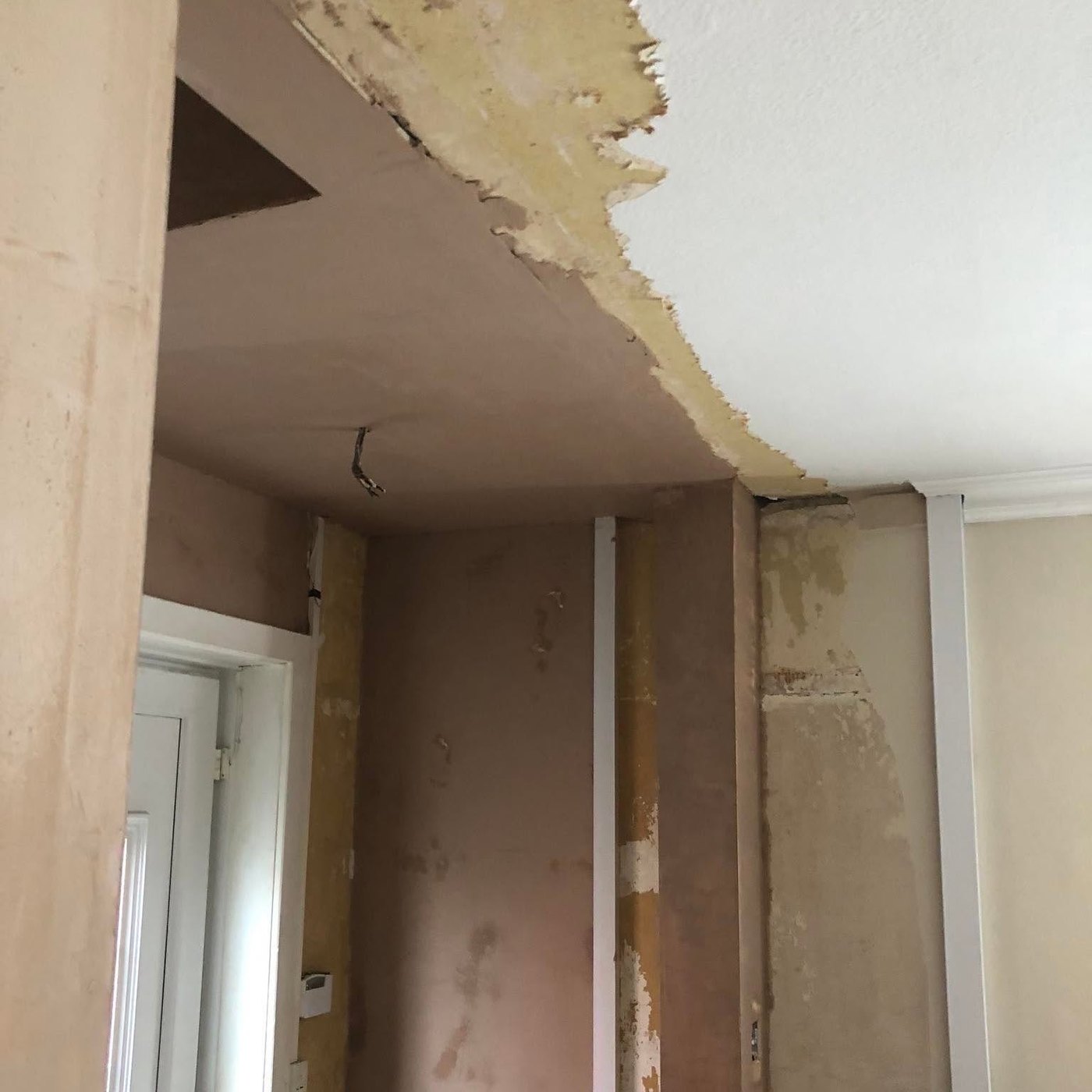
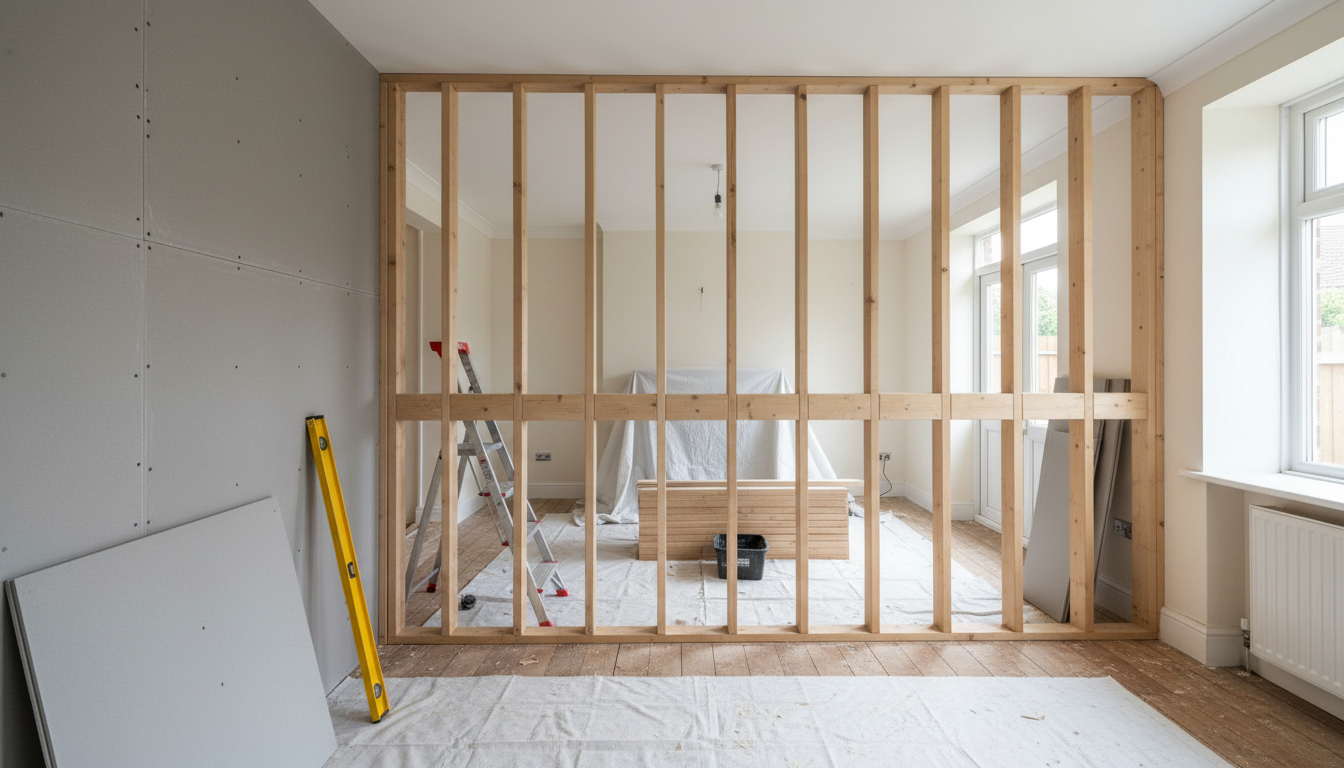
Walls in older houses have had a long life. Original plaster can lose its grip on the brick behind, and when you tap it you hear a hollow knock instead of a solid one. Panelling is held on with adhesive and pins, so it is only as secure as the plaster it is stuck to. Before any MDF goes up, we tap the wall all over and run a straight edge across it. Loose sections are cut out and patched, and a wall that wanders too much is skimmed. Fresh plaster has to dry out before panels are bonded to it, and we will explain how that fits around your plans.
Fitting, finishing and getting in touch
Each run is marked out so the frames sit evenly between door, skirting and ceiling, and around sockets and switches. The MDF is cut, bonded and pinned, with every strip checked for level. Seams and nail holes are filled and rubbed down flush, and the edges are caulked so no gaps show once painted. You are left with panelling ready for you or your decorator to prime and paint.
Because we are based in Mapperley, your job is close to home for us. Ring 07877 353120 or use the enquiry form, and send a photo of the wall and the look you are after. We work seven days a week, 7am to 5pm.