Skimming close to home
Most of the houses we skim in Mapperley were built in the decades either side of 1900. East of Woodborough Road there were only about 40 buildings in 1881; houses on Blyth Street and Querneby Road started going up around 1900, and over the next twenty years new streets reached as far as Porchester Road. A century of redecorating, rewiring and wallpaper stripping later, plenty of those walls look tired even when they are perfectly solid.
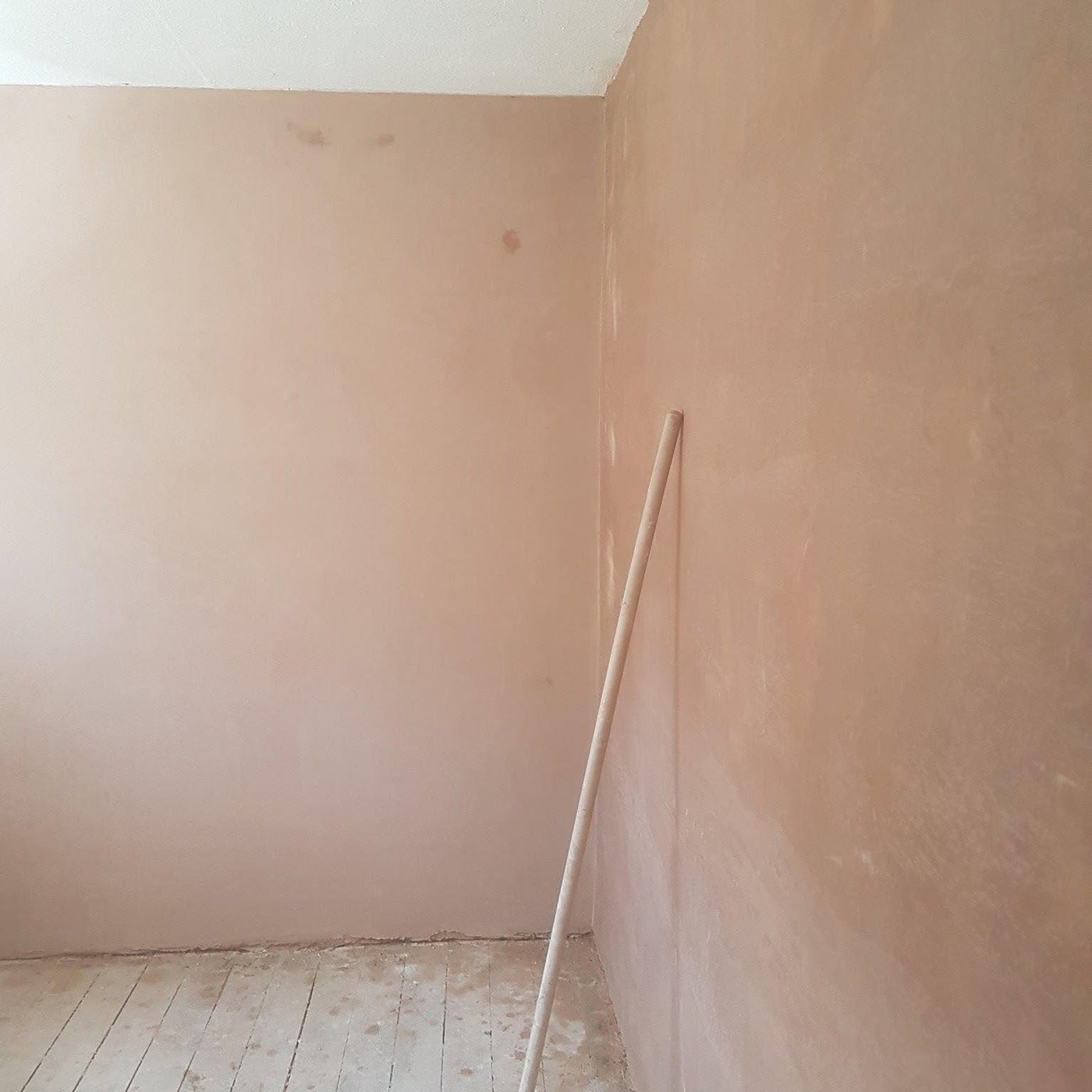
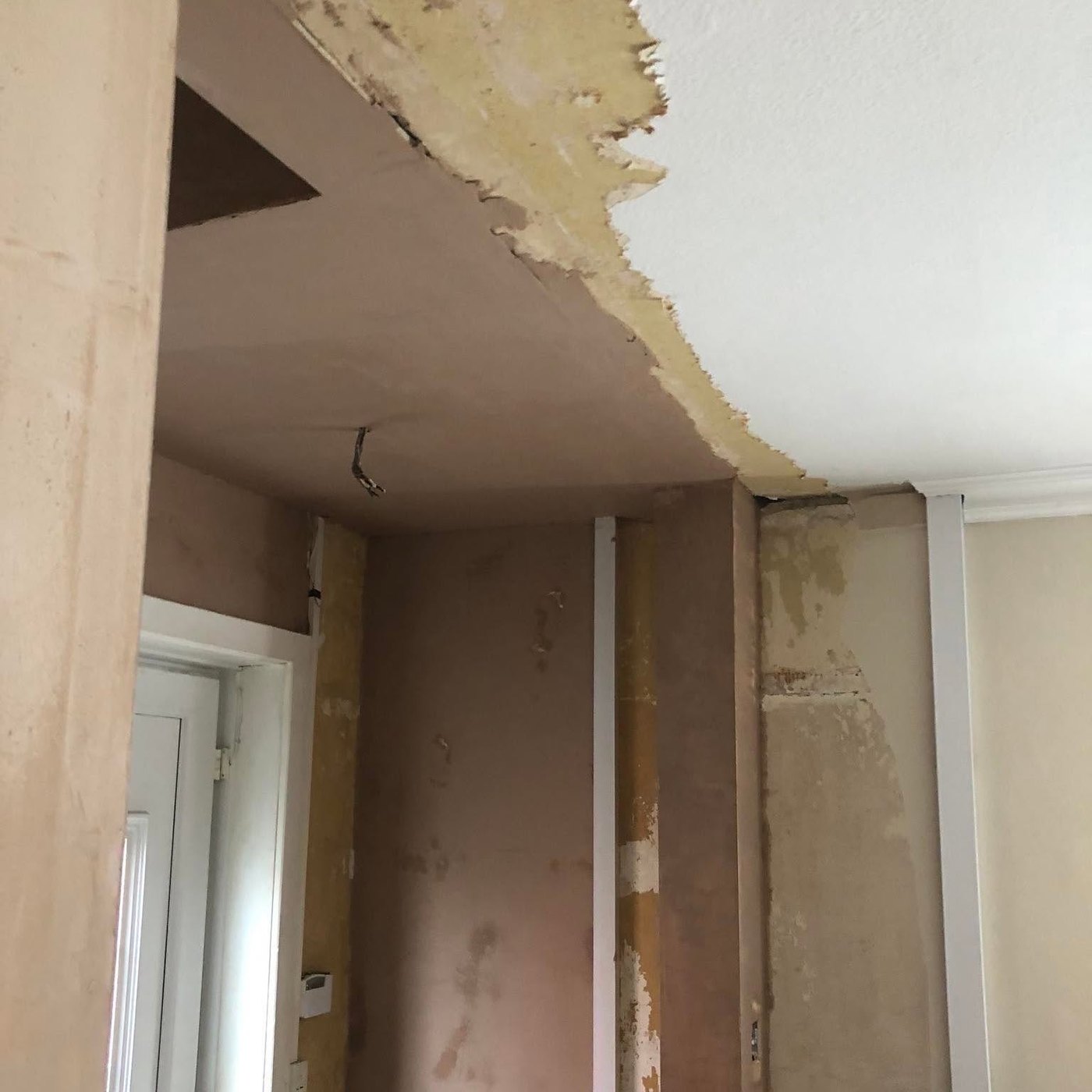
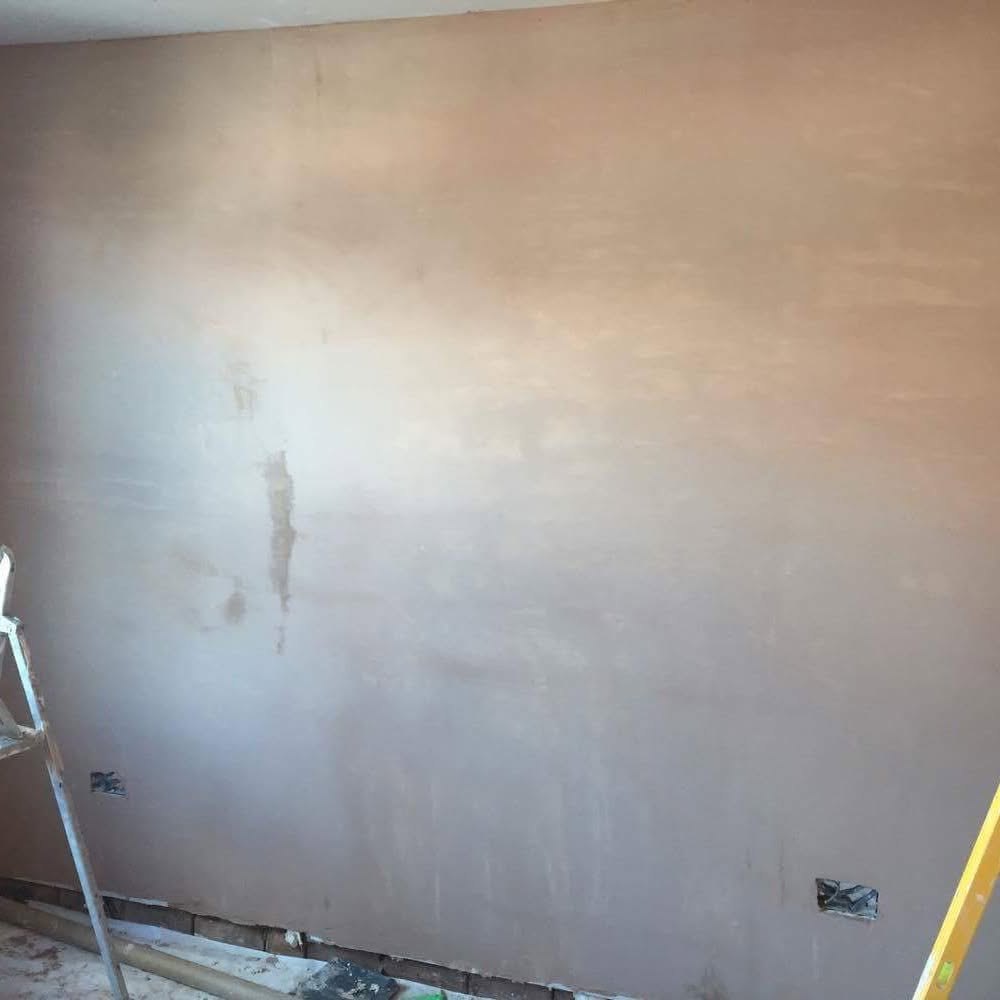
That is when a full skim earns its place. If the trouble is the surface rather than the structure, such as crazed paint, scars where paper took the top layer away, or old filler that shows whenever the sun comes in, a fresh coat of finish plaster over the whole wall makes it look new again. Where large areas ring hollow when tapped, those sections come out and are built back up first, so the skim has something solid to hold on to.
Old plaster on a brick-making ridge
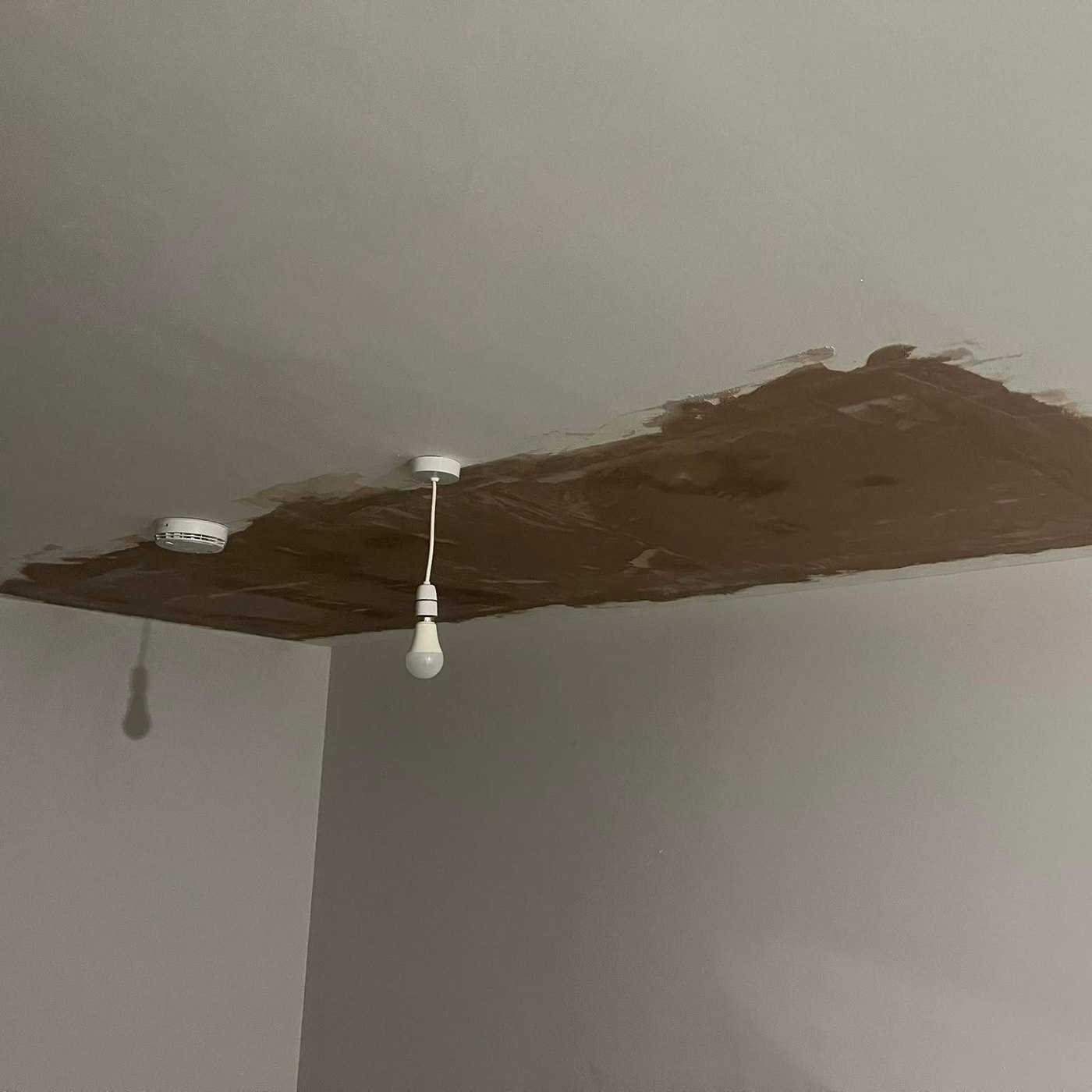
Mapperley sits on the highest ground in Nottingham, and some of the region's largest brickworks once stood up here, using the local Keuper marl. The bricks for St Pancras station are said to have come from Mapperley. Houses of that era were generally plastered with lime, which is softer and more absorbent than the gypsum used today. Before skimming, dusty areas are brushed down and the wall is sealed so it does not suck the water out of the new plaster and leave it crazed. Ceilings get a close look as well: if old lath and plaster has lost its grip, overboarding with plasterboard and then skimming is usually the sounder option.
Mapperley Park's taller rooms
About a mile south-west, Mapperley Park is a conservation area of Victorian and Edwardian homes on tree-lined avenues, with around 163 houses given consent between 1906 and 1914. Rooms there are often tall, with cornices and ceiling roses worth keeping. The skim is worked up to a cornice by hand rather than run over it, and a rose is masked off and finished around. Conservation area rules are mostly about the outside of a building, but if your house is listed, check with the council before replacing original plaster.
Stairs, landings and drying time
In a tall Edwardian house the stairwell is often the biggest single area to skim. It needs a safe platform over the stairs and each wall finished in one go, so there is no line where the work stopped. Afterwards, let the plaster dry naturally with a window open, and wait until the colour is even all over before any paint goes near it. Start with a watered-down matt emulsion that soaks in, then decorate as normal.
To talk about skimming a room, hallway or ceiling in Mapperley, call 07877 353120 or send photos through the enquiry form. We work seven days a week, 7am to 5pm.