Railways shaped Victorian Derby. The Midland Railway had its headquarters and works here, and Rolls-Royce arrived in 1907. In the 20th century the city spread outwards: slum clearance in the 1920s and 1930s moved families from the centre to new council estates in the suburbs, with private houses built alongside, and rehousing, council building and private development carried on at scale for around 30 years after 1945. That means a large share of Derby's homes date from those decades, and many of them are now at the age where a skim makes sense.
Interwar and post-war homes
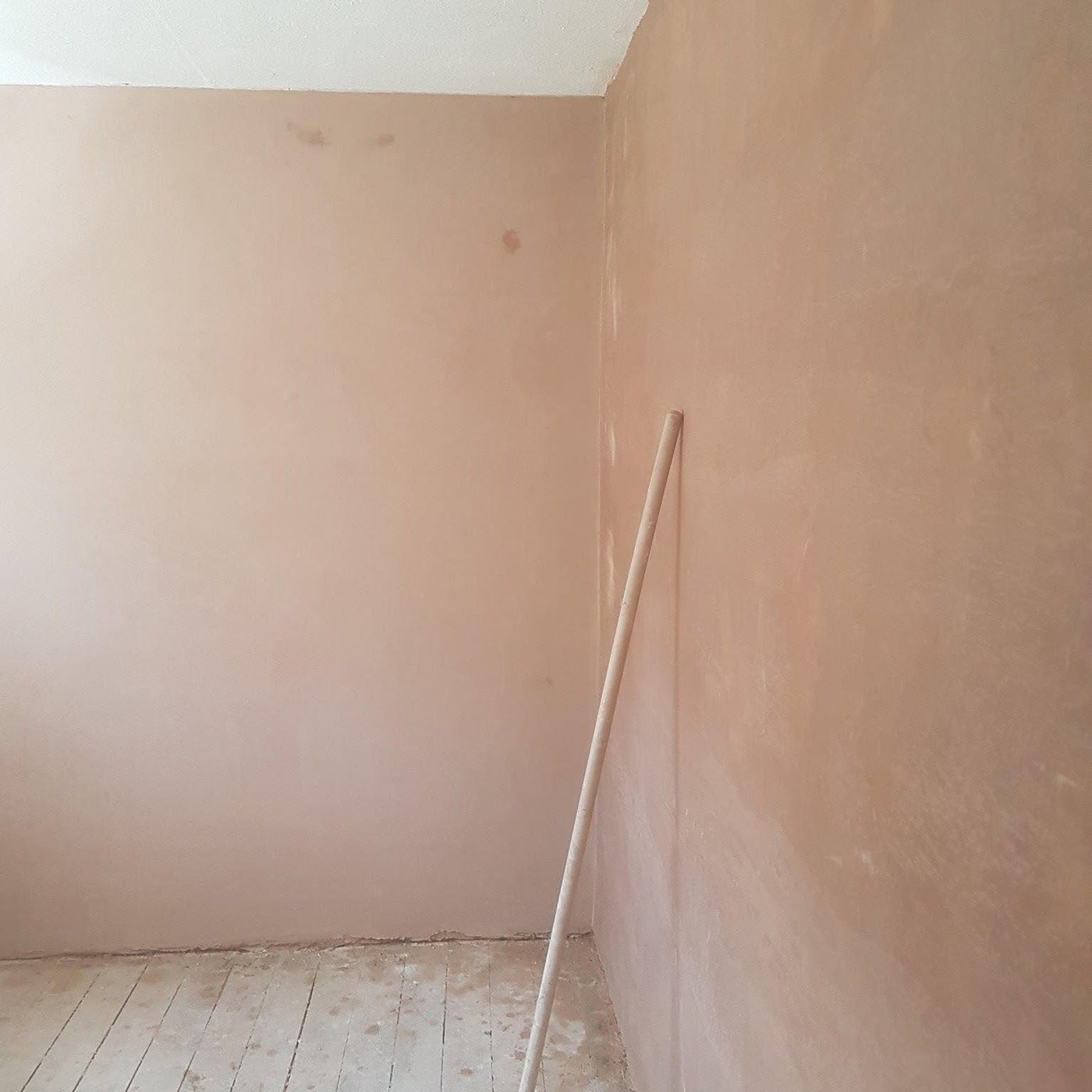
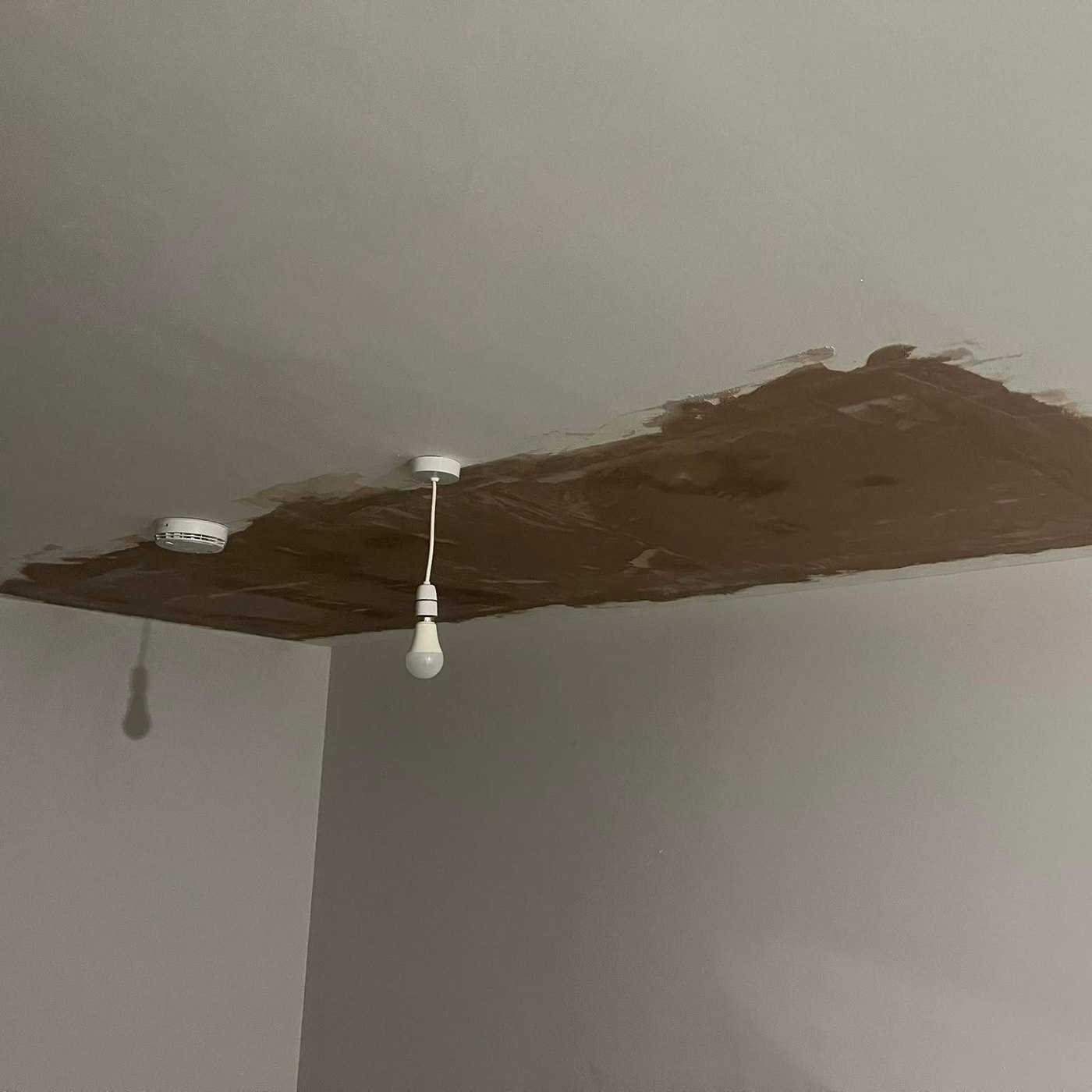
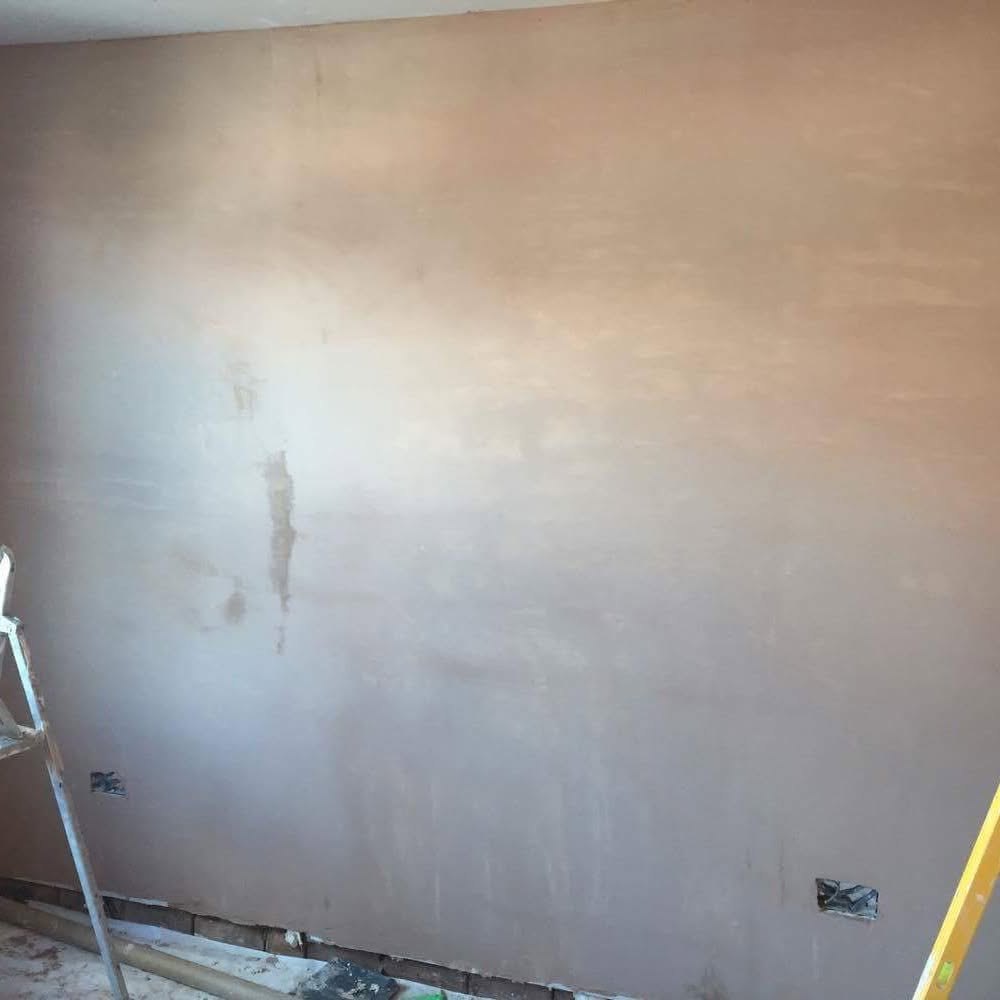
Houses from the 1920s and 1930s often still have lath and plaster ceilings, or early plasterboard that has cracked along its joints. Post-war homes usually have firm gypsum plaster on the walls, which tends to stay well attached but carries decades of fixings, filled cracks and paper damage. A skim gives both a new, even surface. Before it goes on, ceilings are checked for sagging, cracked joints are taped, and walls painted in silk or vinyl get a bonding primer so the new plaster grips. Picture rails and original doors from these years can stay in place; the plaster is finished neatly up to them.
Victorian Derby
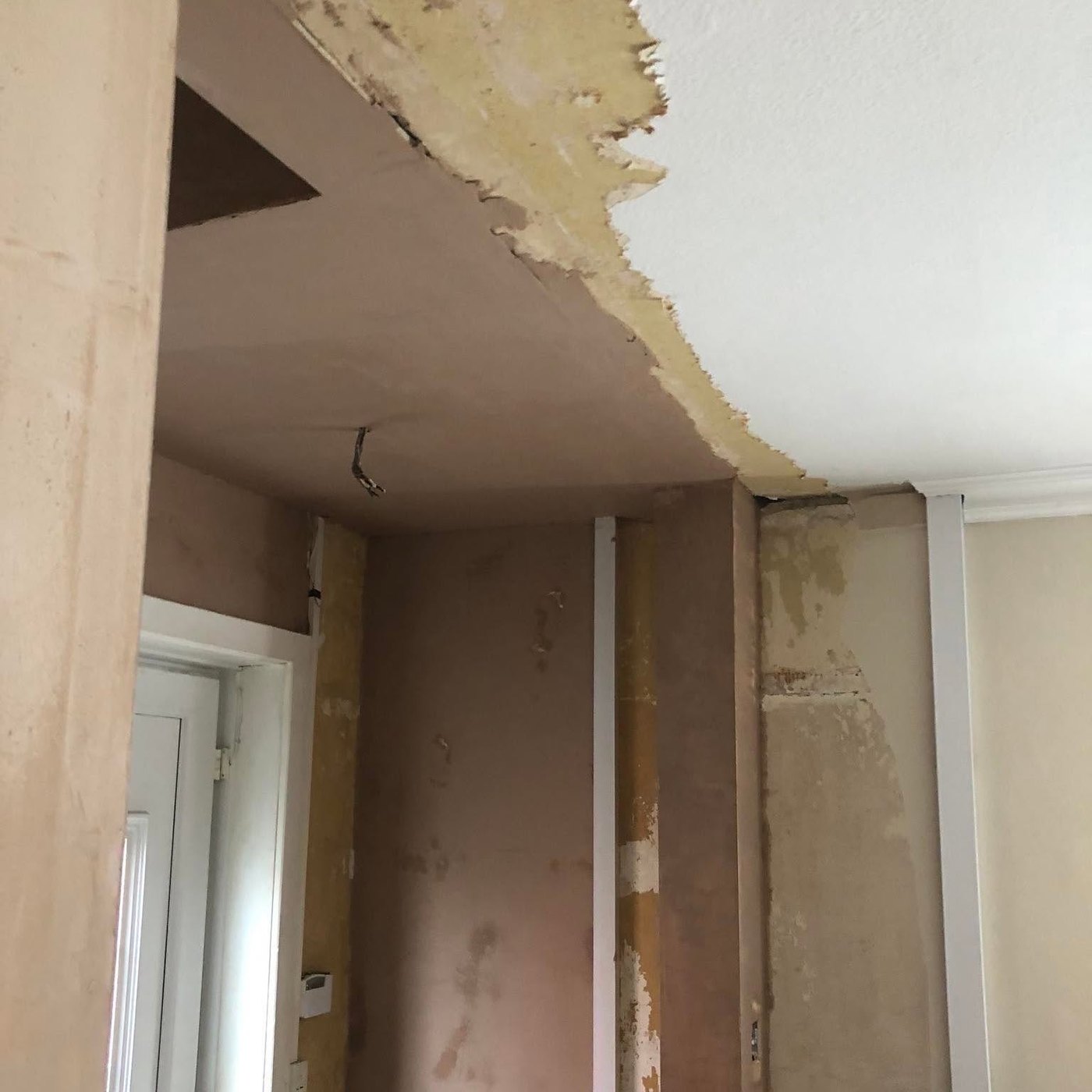
Derby City Council groups eight of its sixteen conservation areas as Victorian Derby, including Railway, Arboretum, Little Chester and Strutts Park. The North Midland Railway's workers' cottages, built in 1841-42 opposite the station on Calvert Street, Midland Place and Railway Terrace, are Grade II listed, and 57 of the original 92 remain. In a listed home, check with the council before changing original plaster, as consent may be needed and a lime finish may be more appropriate than gypsum. In unlisted Victorian houses, old lime plaster is tapped for hollow areas and sealed before skimming, so the finish dries evenly rather than in blotches.
Hallways, stairs and landings
If you only skim one part of a house, the stairwell gives the most noticeable change, since every visitor walks through it. Long stair walls are also where earlier patch repairs show worst, because light from a landing window runs straight along them. The walls are done full height from a platform over the stairs, with the landing included so the finish matches all the way up. Let it dry with good ventilation and seal with a thinned matt emulsion before decorating.
Call 07877 353120 or send the enquiry form with photos to talk about skimming in Derby, from Allestree and Darley Abbey to Chellaston, Spondon and Mickleover. We work seven days a week from 7am to 5pm.