From Daybrook along the A60 to Redhill, Woodthorpe, Warren Hill and Dorket Head, Arnold has grown in stages since its framework knitting and hosiery days. That matters when a room is stripped back for a skim, because the age of the house decides most of the preparation.
Skim, patch or something more?
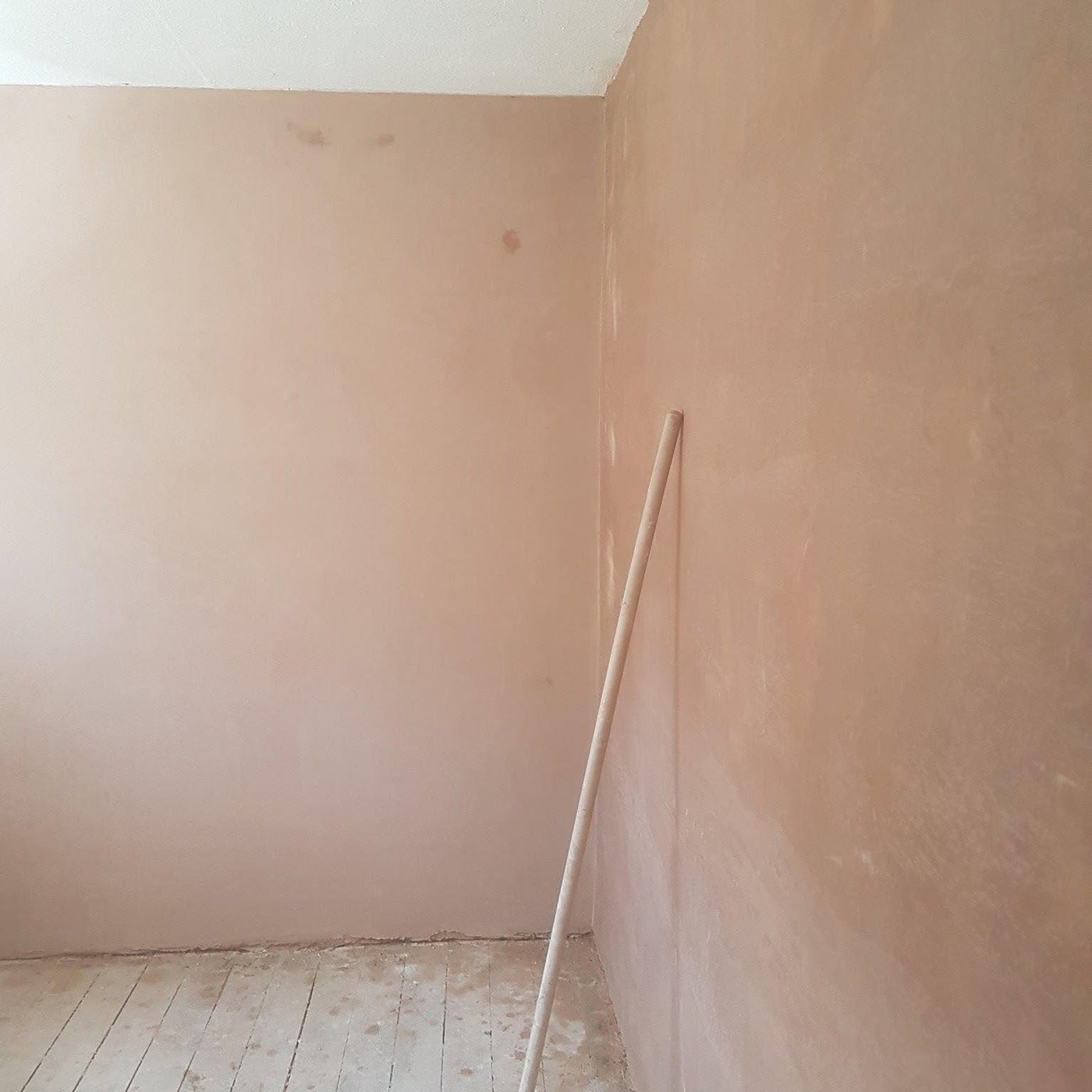
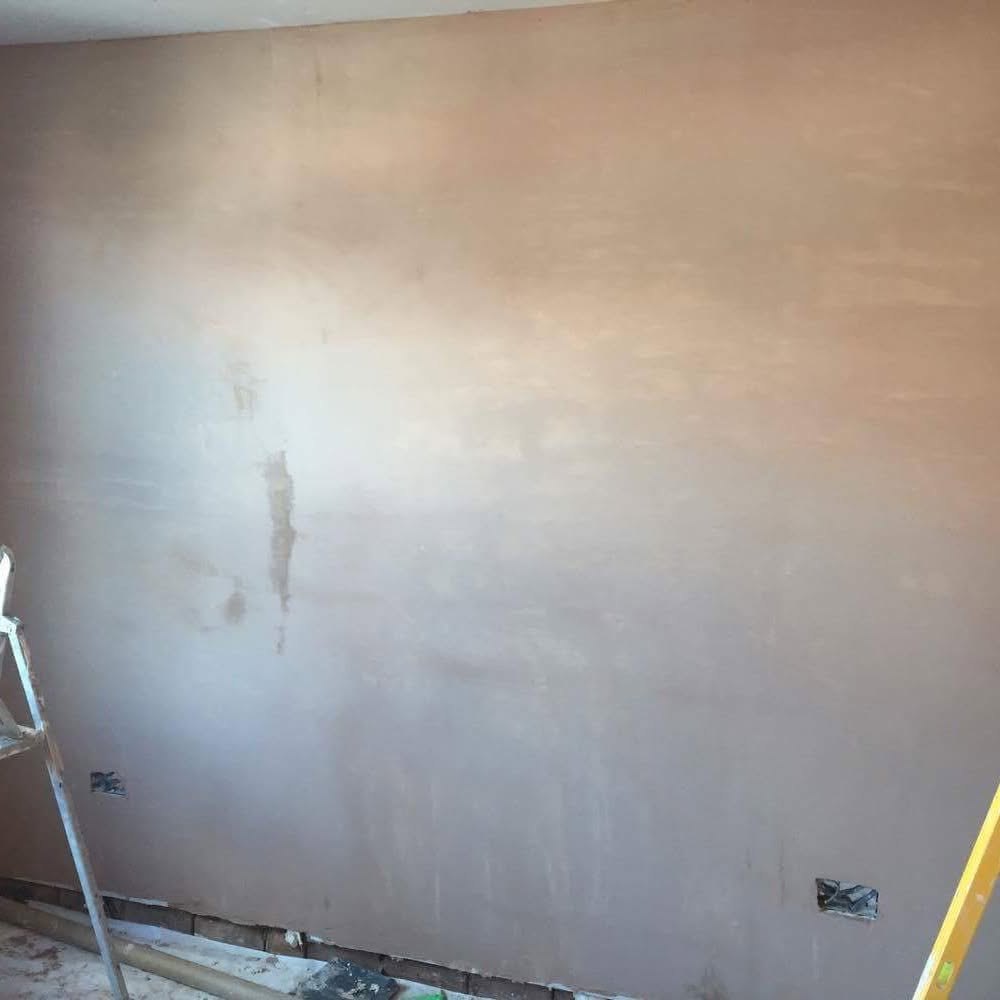
Not every tired wall needs a full skim. A few holes from old shelving, or a single crack over a door, can be patched and blended in with far less disruption. A skim is the right call when the faults are spread right across the surface: dozens of small repairs that catch the light, fine cracking over a whole ceiling, or walls left rough after several layers of paper have come off. A simple test is to hold a torch flat against the wall in a dark room. If the shadows pick out dents and ridges everywhere, skimming will give you a better result than any amount of filler.
Different eras, different prep
Arnold's housing went up piece by piece. Grove House was pulled down in the 1920s to make way for new homes, and the grounds of Daybrook House became private housing after the Air Ministry started selling the land in 1958.
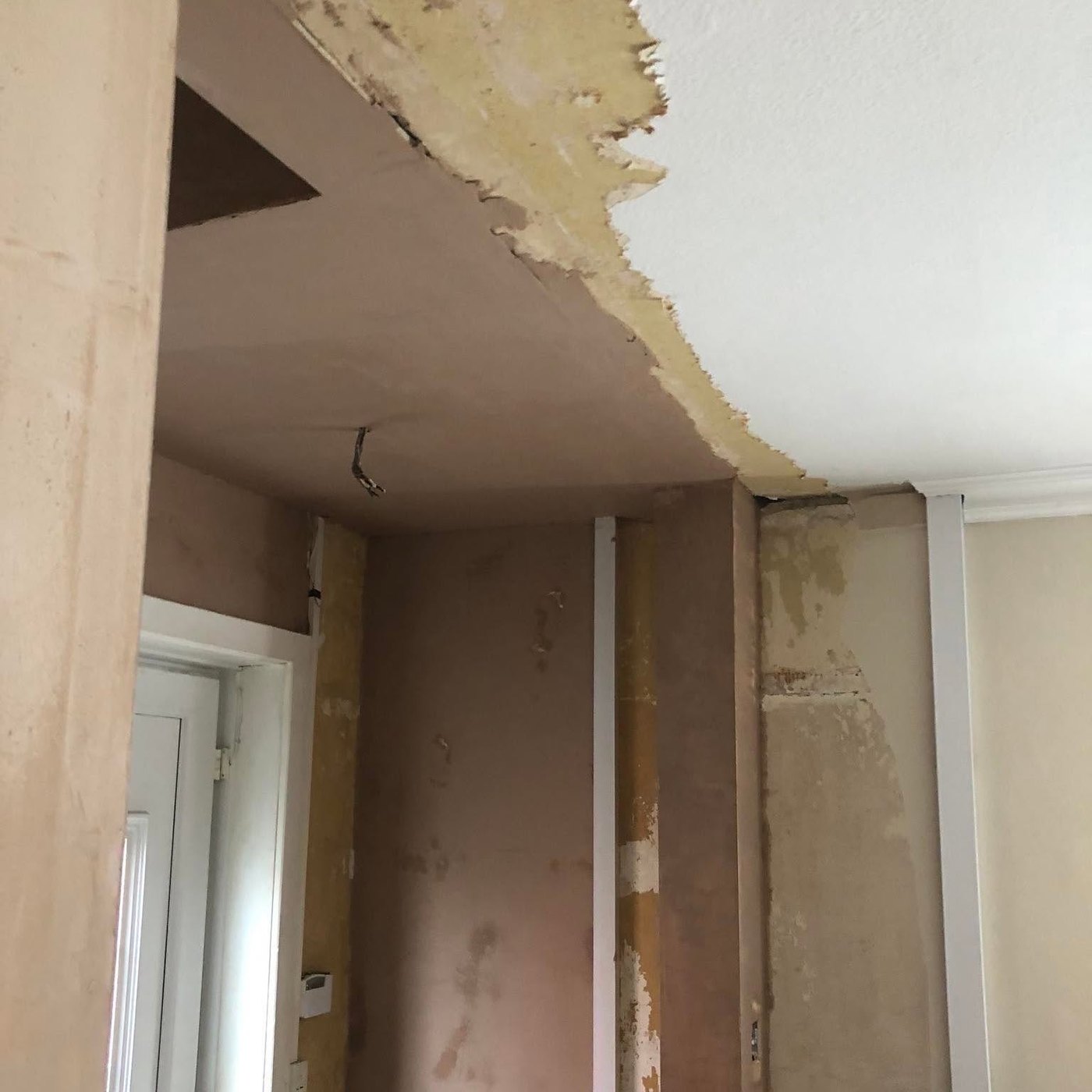
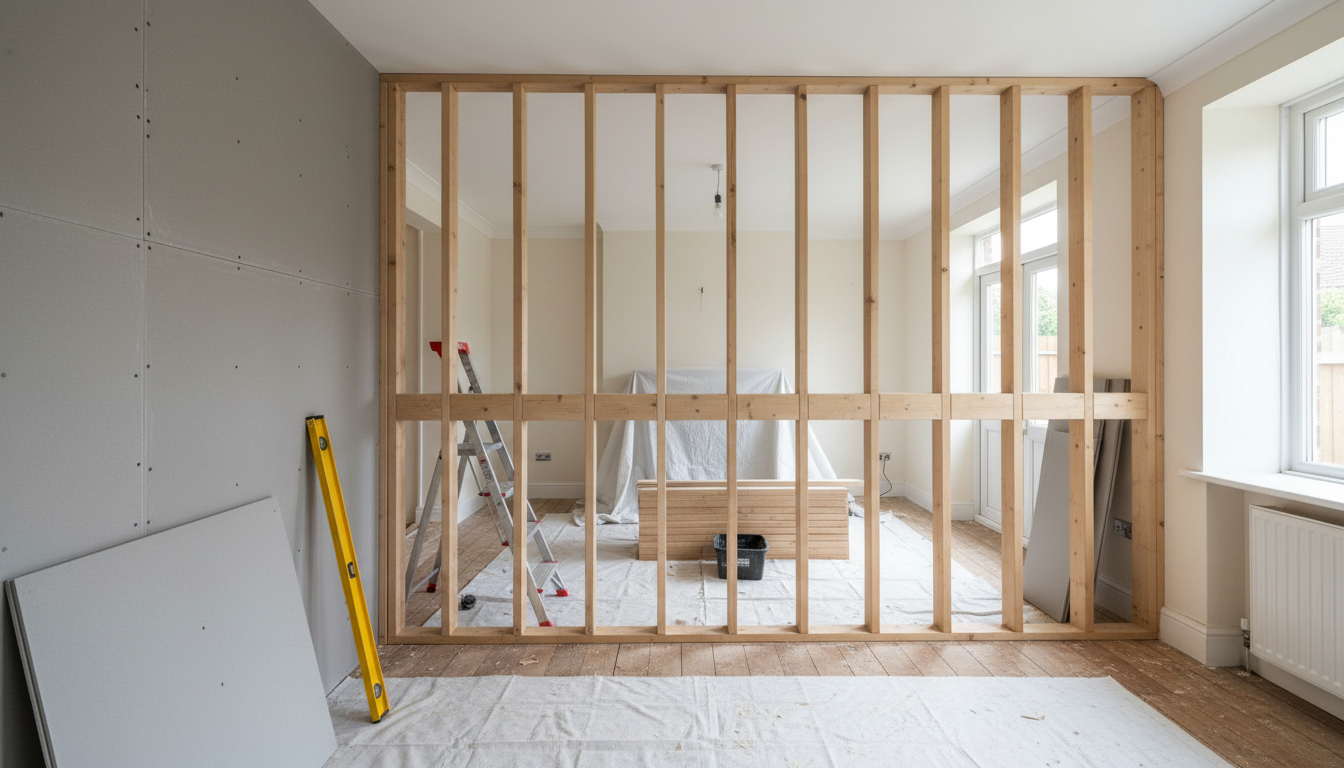
Houses from the interwar years can still have their original lath and plaster ceilings, which need checking for sagging or loose patches before anyone skims them. Post-war homes are more likely to have gypsum plaster that is firmly stuck to the wall but may be glossy from decades of paint. Silk or vinyl finishes give fresh plaster nothing to grip, so they get a coat of gritty bonding primer first. In a newer home built with plasterboard, hairline cracks along the board joints are common once the heating has dried everything out, and scrimming those joints before the skim helps stop them coming back.
The stair wall and the drying stage
In a two-storey house, the stair wall runs the full height of the building, and it is the one surface where a join shows most. It is skimmed from a platform over the stairs in one continuous session per wall, with the landing done at the same time so the finish matches.
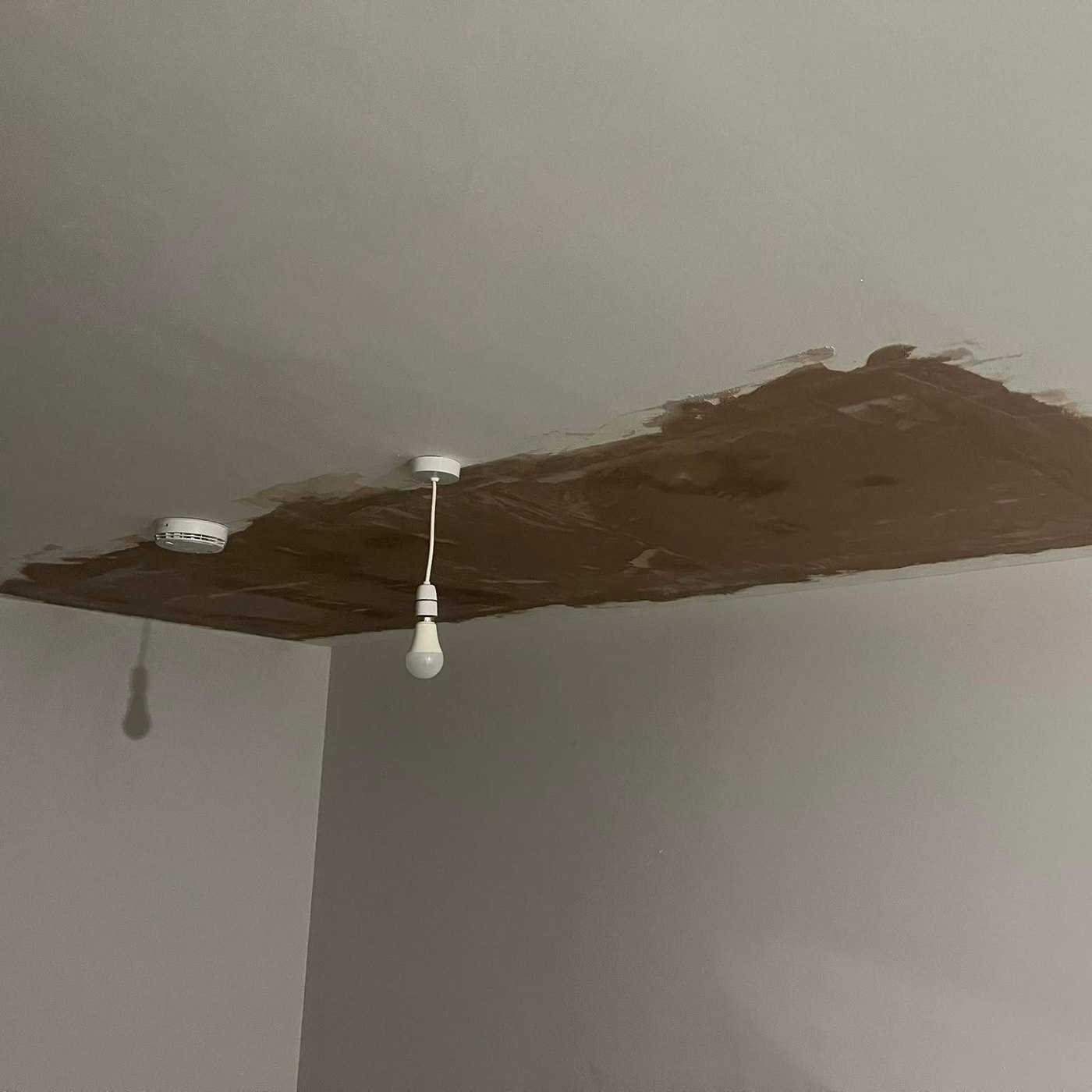
Once everything is finished, give it time. Keep a window open, keep the heating at its usual level, and wait for the darker patches to fade before decorating. The first coat on new plaster should be thinned matt emulsion, which soaks in and gives the following coats something to bond to.
Call 07877 353120 to talk through a skim in Arnold, or use the enquiry form and attach a few photos of the room. We're available 7am to 5pm, every day of the week.