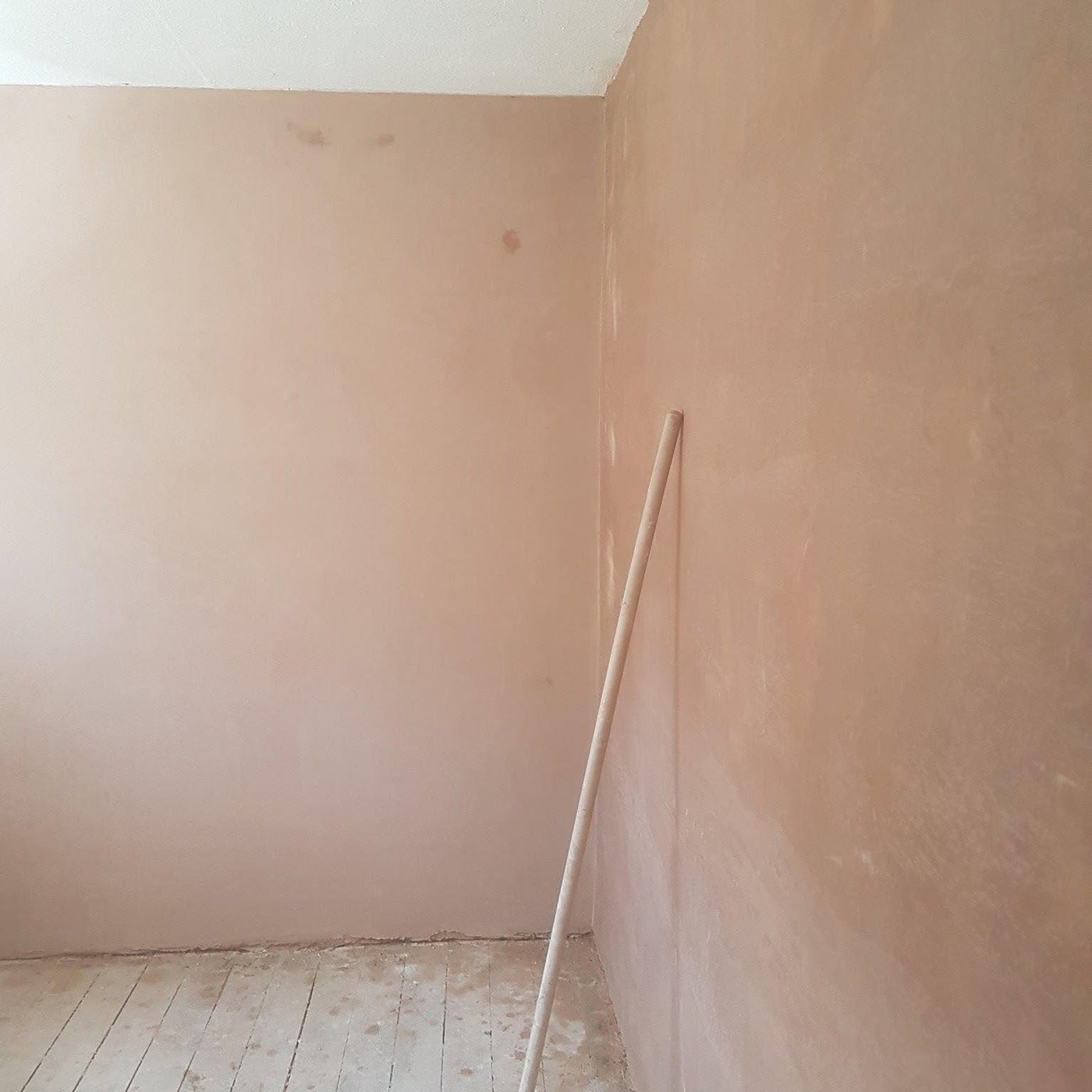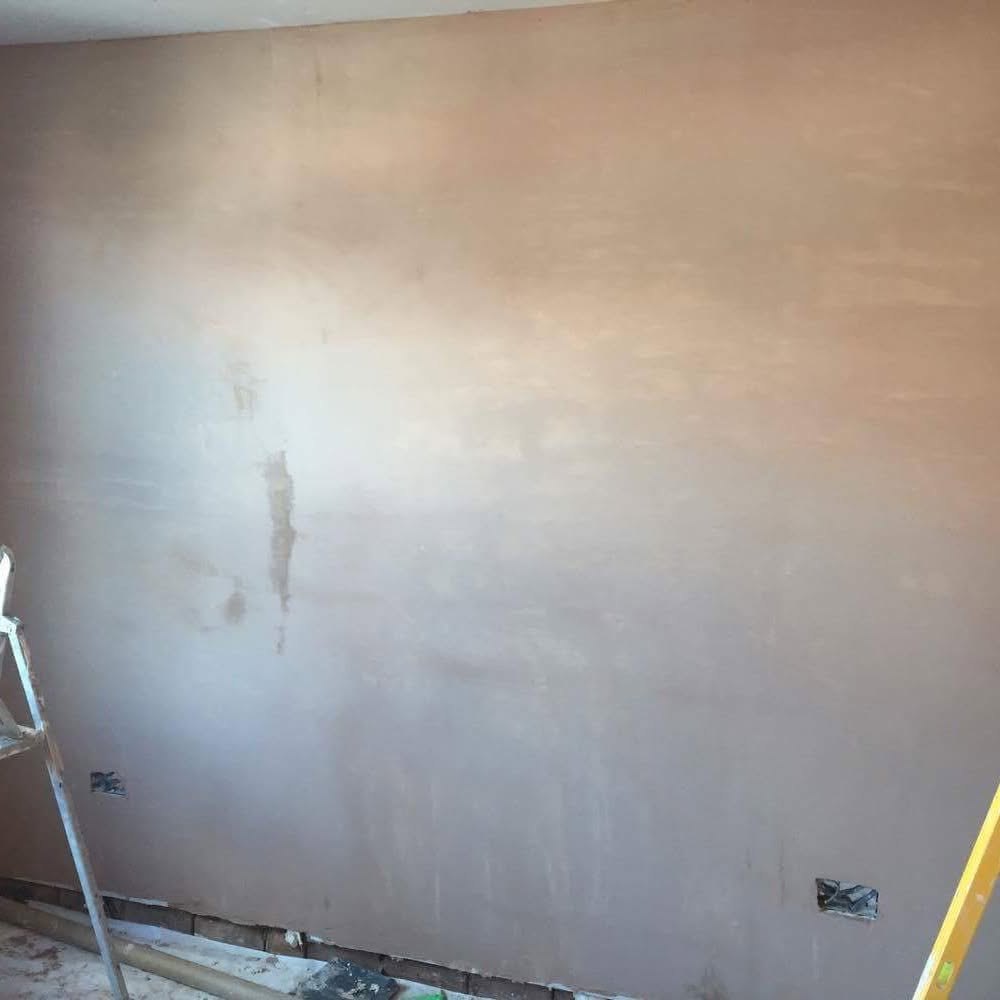
Patching is in the name
A good patch repair makes damage disappear: once the paint is on, you should not be able to tell where the hole was. Patch Me If You Can repairs walls and ceilings in homes across Nottingham and up to 30 miles around, from a single hole to several damaged areas across a house.
Damage we repair
- Holes left by removed fixtures, shelves, TV brackets, radiators and old pipework
- Cracks in walls and ceilings, including cracks that keep coming back after filling
- Blown plaster: areas that sound hollow when tapped because the plaster has come away from the wall behind
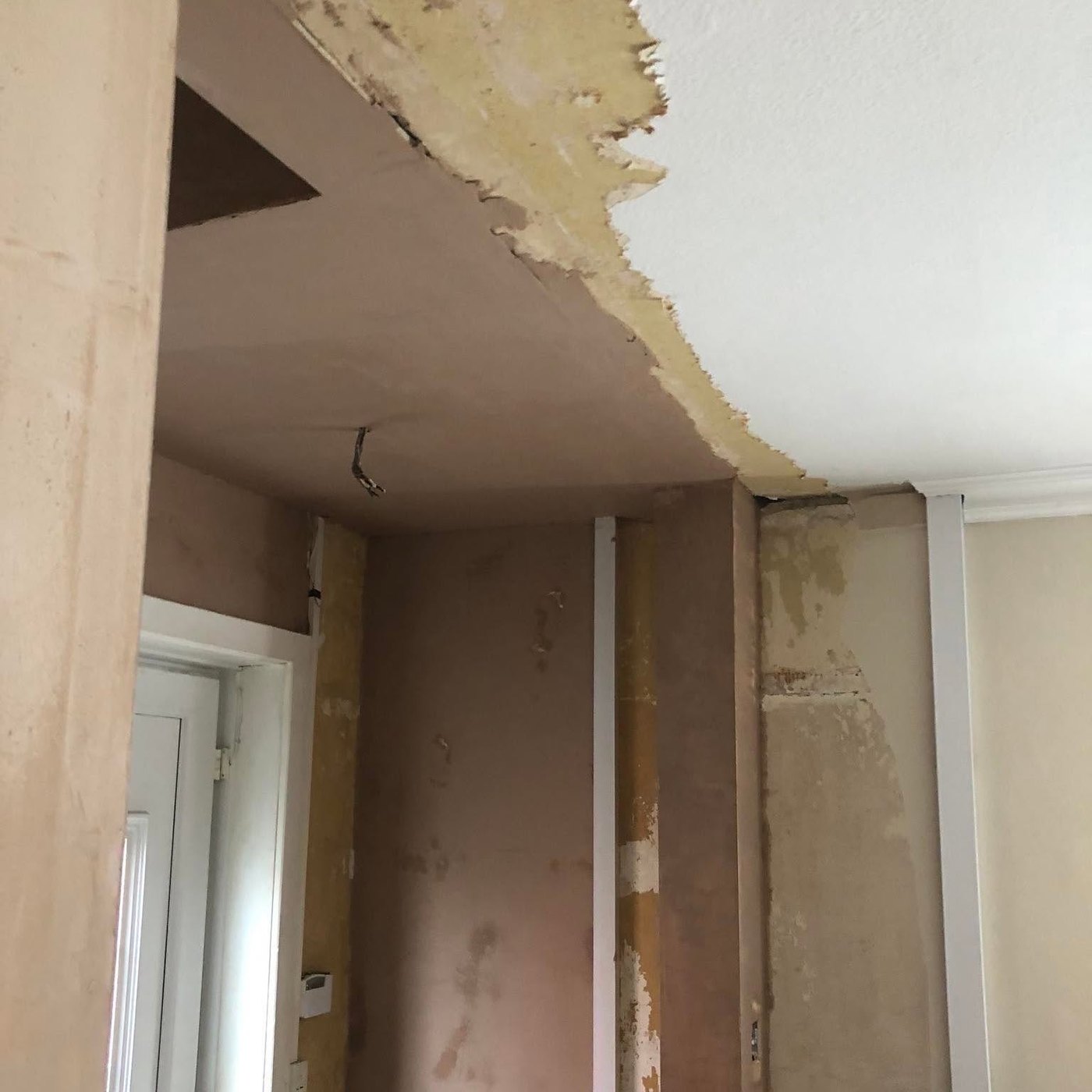
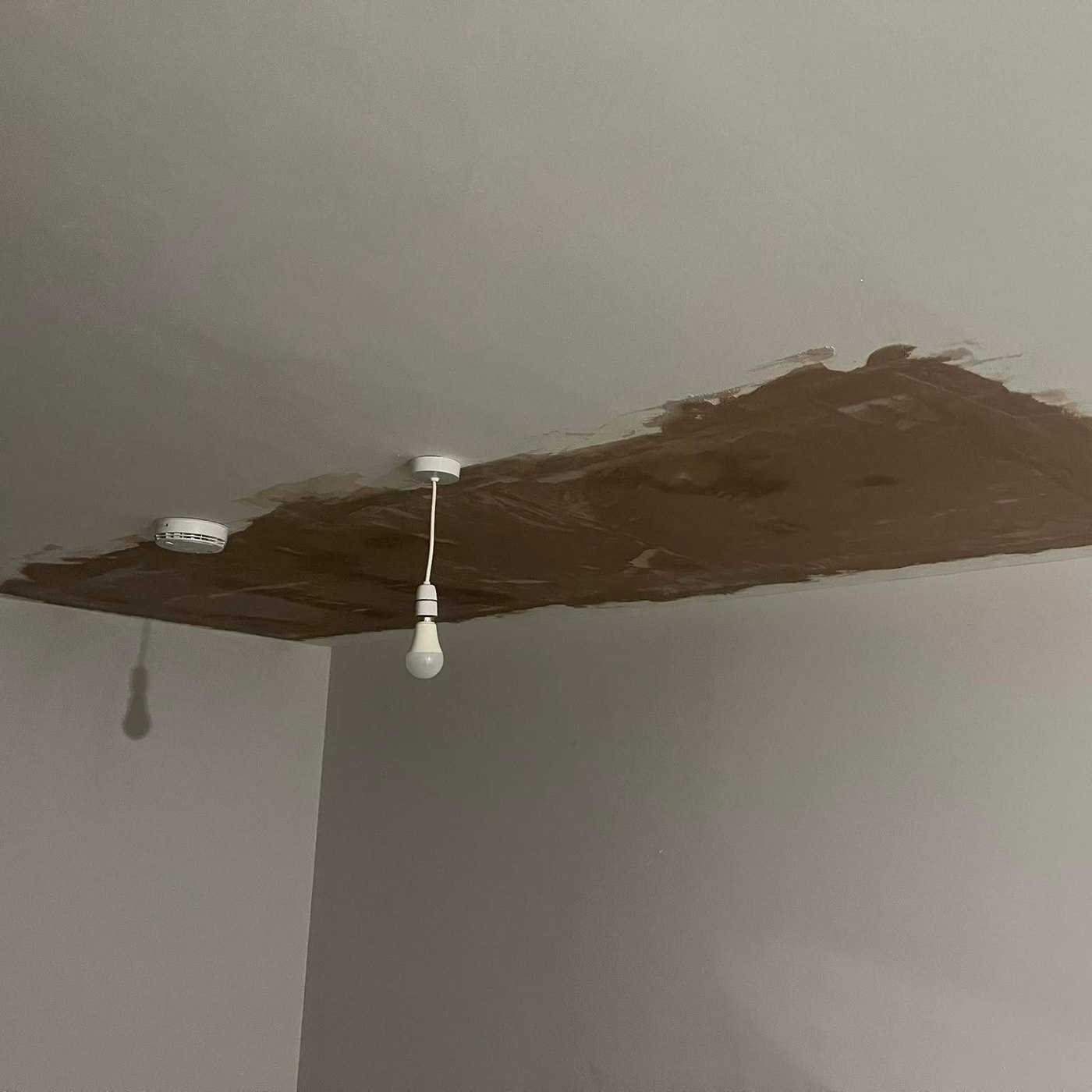
- Ceiling damage after leaks, once the leak has been fixed and the area has dried out
- Chases and openings after rewiring, new sockets, downlights or plumbing work
- Knocks and dents on corners, door frames and stairwells
How a patch repair is done
Cutting back. Loose, cracked or blown plaster is cut back to a sound edge. Patching over loose plaster is the most common reason repairs fail, so this step matters.
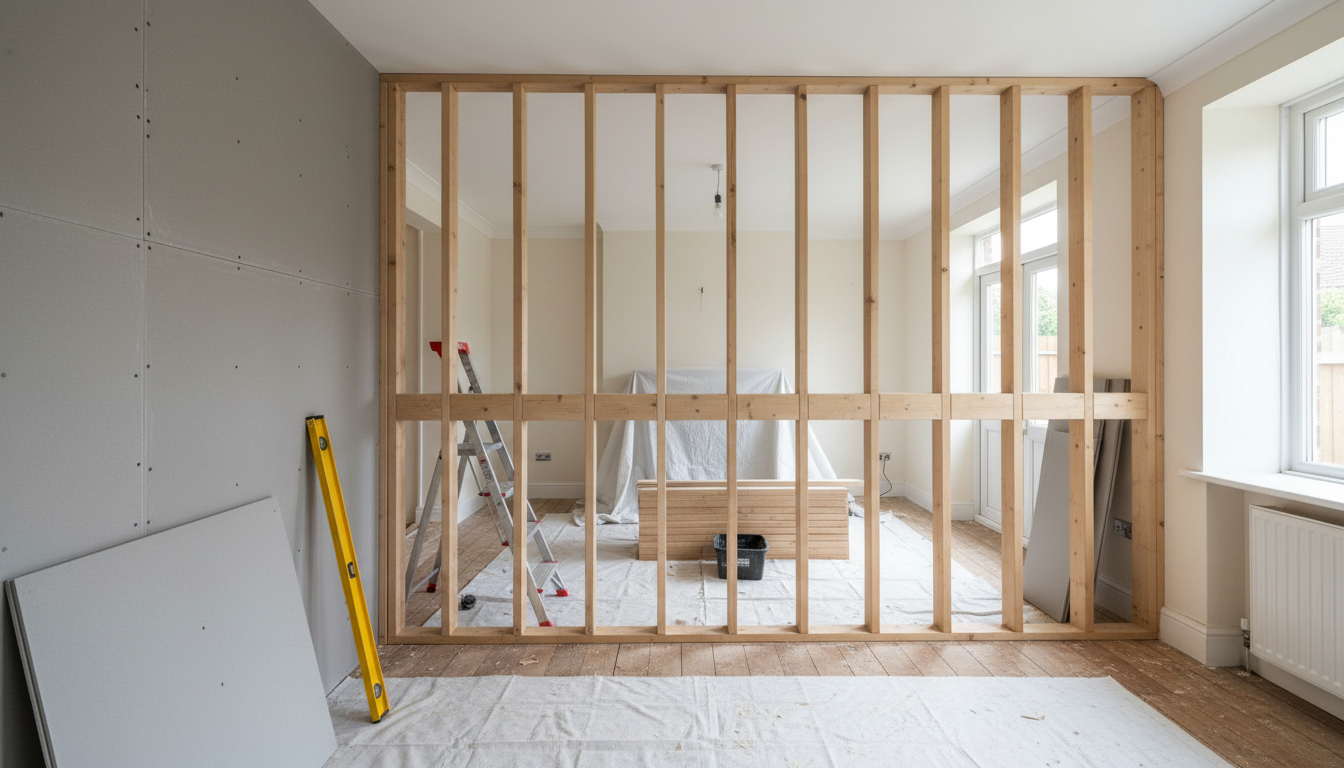
Treating the background. The exposed surface is prepared so the new plaster bonds and does not dry out too fast. Where a hole goes right through a ceiling or stud wall, a piece of plasterboard is fitted first.
Building up. Deeper areas are filled with a backing plaster in layers until they sit just below the surrounding surface.
Finishing. A finishing coat goes over the top and is feathered into the wall around it, then trowelled smooth so it sits flush.
Will the patch show?
On a sound wall, a properly finished patch should not show once decorated. Two things can make a repair noticeable: if the rest of the wall is uneven, a perfectly flat patch can stand out in raking light, and if the paint does not match. When a wall has lots of repairs, or the plaster around the damage is in poor condition, a skim over the whole wall is often the better result, and we will say so when we look at the job.
Cracks that come back
Fine cracks where walls meet ceilings, or around door frames, are often caused by normal movement of the building as it heats and cools. They can be cut out, taped where needed and re-plastered. Wide cracks, cracks that are getting bigger, or stepped cracks in brickwork can point to structural movement, and those should be checked by a surveyor or structural engineer before any plastering.
Leaks and water damage
After a leak, the source must be fixed and the area allowed to dry properly before it is repaired. Plastering over damp plaster leads to staining, bubbling and repeat repairs. Water-stained ceilings may only need a stain-block primer, but ceilings that have sagged or gone soft usually need the damaged plasterboard replacing before they are patched.
Getting a quote for a patch repair
Send a photo of the damage through the enquiry form, with roughly how big it is and where it is, or call 07877 353120. We work seven days a week, 7am to 5pm.