When to Patch Plaster vs Full Room Skim in Nottingham
Got a crack or hole in your wall? Learn when patch repairs plaster is the right fix for Nottingham homes, and when you might need a full skim instead.

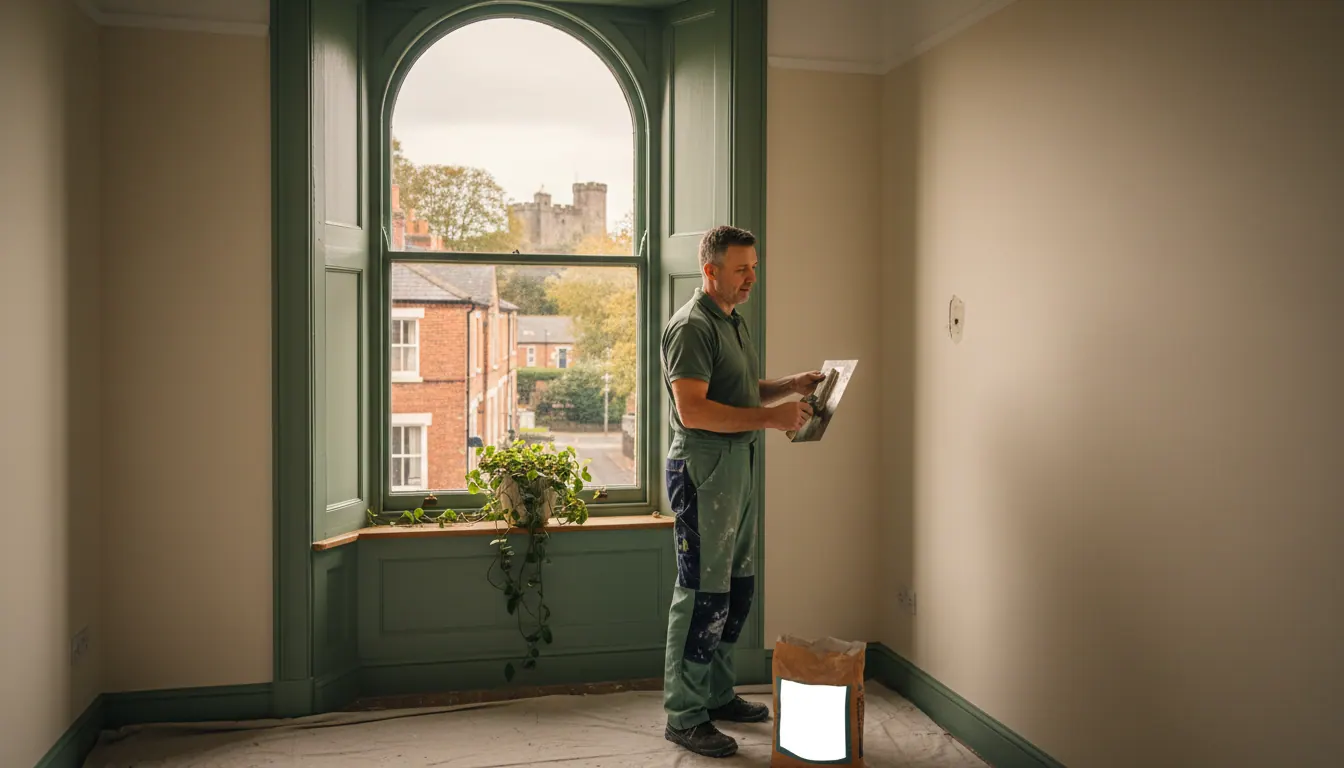
Plaster patch repair or a full room skim in Nottingham?
A small hole above a door frame. A crack along the edge of a ceiling. A patch of wall that sounds hollow when you tap it. Everyday damage like this is common, and plenty of it can be sorted with a patch repair rather than a full room skim. Not every patch is equal, though, and not every crack should simply be filled. Patch Me If You Can covers full room skims, patch work and drywall in Nottingham. This is a general guide to help you decide what to ask for.
What is a patch repair?
Instead of skimming a whole wall or ceiling, a plasterer works on just the damaged area: cutting back loose or hollow plaster, preparing the surface and applying fresh plaster to blend with what is already there. Done well, a patch is neat, solid and ready to decorate. Done badly, it can crack again, sit proud of the wall or refuse to take paint.
Ready-made fillers and self-adhesive patches have their place for tiny surface blemishes, but larger or deeper damage generally calls for proper plastering. See patch repairs.
When a patch is usually enough
- The damage is isolated, such as a hole left by a removed fixing or a small area of damaged plaster.
- The surrounding plaster is sound when tapped and well bonded.
- The room has already been decorated and you want to keep the existing finish.
- You are sorting one room and the rest of the plaster is in good condition.
When to think about a full skim
- Several patches close together. Patching each one can look uneven across a wall.
- Widespread hollow or blown plaster. If large areas sound hollow, the plaster has lost its bond and patching over it will not fix that.
- You are redecorating the whole room. A skim leaves a flat, fresh surface that gives a better finish than a wall full of patches.
- The ceiling is tired and uneven. A ceiling covered in old repairs and cracks is often better skimmed.
See full room skims.
What to tell a plasterer about a patch
- Where the damage is, and in which room
- How big it is, such as the size of a hand or a dinner plate
- How it happened, such as a knock, a leak that has been fixed or plaster that came loose
- What the surrounding plaster looks like
- The finish you need
A photo helps a great deal.
Cracks: not all of them are cosmetic
Hairline cracks are common and are usually cosmetic. Cracks that are widening, run diagonally from the corners of doors or windows, or come with signs of damp should be assessed by a suitable professional before any plastering. Covering a structural crack or a damp problem with fresh plaster does not fix it.
Textured coatings and older properties
If you are thinking of patching or skimming over an old textured coating, be aware that some older materials can contain asbestos. Do not sand or disturb them. Have a licensed professional check first. Patch Me If You Can does not offer asbestos work.
Frequently asked questions
What do you use to patch a plaster wall? A plasterer typically uses a bonding or finishing plaster, depending on the depth and size of the repair. Very shallow blemishes may only need a fine filler.
Is patching plaster the same as plaster of Paris? No. Plaster of Paris sets very quickly and is awkward for wall repairs. Plasterers use purpose-made patching or finishing plaster.
What do you use to patch a ceiling? The approach is similar to a wall, with more care because plaster has to bond overhead. Where the board behind is damaged, for example by a leak, it may need replacing first.
How do I get a quote? Send a photo and a short description through the contact form.
Ready to sort that patch in Nottingham?
Call 07877 353120, email Patchmeifyoucan@outlook.com or use the contact form with photos. See also our guides on how to choose a plasterer and preparing a room for a plasterer.